Ancient skull from China may shake up timeline of human evolution
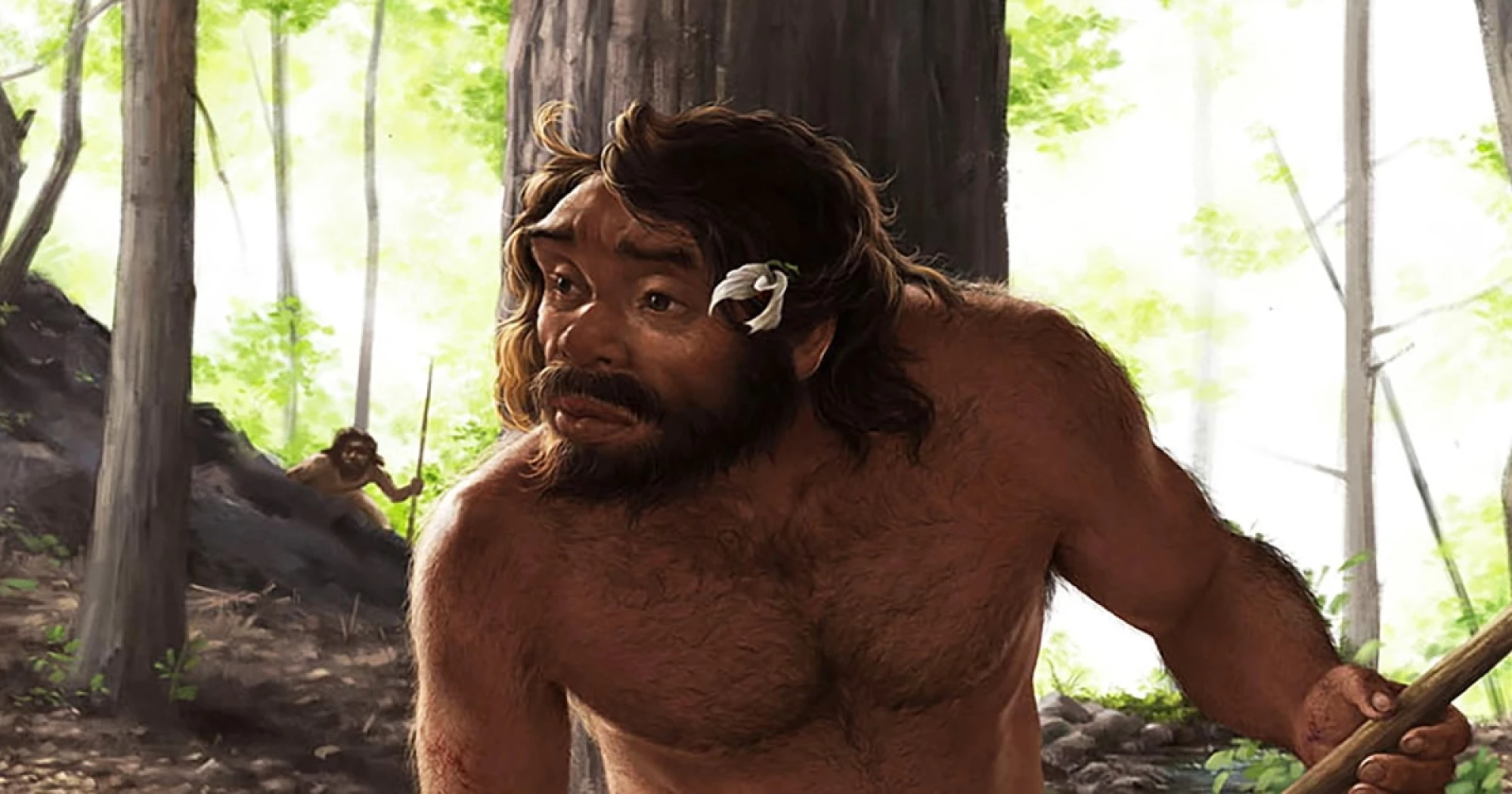
In 1990, an ancient human skull was unearthed in China’s Hubei Province that was so badly deformed during fossilization that it was hard to gauge its significance.
In 1990, an ancient human skull was unearthed in China’s Hubei Province that was so badly deformed during fossilization that it was hard to gauge its significance. A new analysis now indicates that the skull belongs to an early branch of a sister lineage to our species in a finding that may shake up the understanding of how human evolution unfolded over the past million years or so.
Researchers used sophisticated scanning and digital reconstruction techniques to determine the original shape of the skull, which is between 940,000 and 1.1 million years old, and compared it to more than 100 other human fossils. They said it appears to be the oldest-known member of an evolutionary lineage that included the enigmatic Denisovans who later roamed a wide swathe of Asia and interbred with our species Homo sapiens.
The skull, called Yunxian 2, appears to be that of a man possibly 30 to 40 years old, according to paleoanthropologist Xijun Ni of Fudan University and the Institute of Vertebrate Paleontology and Paleoanthropology, Chinese Academy of Sciences, who led the study published on Thursday in the journal Science.
The unearthed skull in Figure A, and the skull after scientists digitally reconstructed it, in Figure B.Xijun Ni / ReutersSpecies in the human evolutionary line are called hominins. The skull previously was tentatively classified as belonging to the hominin species Homo erectus, which had body proportions resembling our own but a smaller brain size and different facial features. The researchers said the new analysis showed that the skull exhibited features that indicate it was not Homo erectus.
“It has a long, low skull and receding forehead behind a strong browridge, but the estimated brain size is the largest so far for any hominin of that age. The face is big but with flat and forward-facing cheekbones, and a large nose with a projecting nasal bridge, but without the midfacial prominence we find in Neanderthals,” anthropologist and study co-author Chris Stringer of the Natural History Museum in London said.
https://www.nbcnews.com/world/asia/ancient-skull-china-may-shake-timeline-human-evolution-rcna233848
Rating: 5