How air pollution is stealing India's sunshine
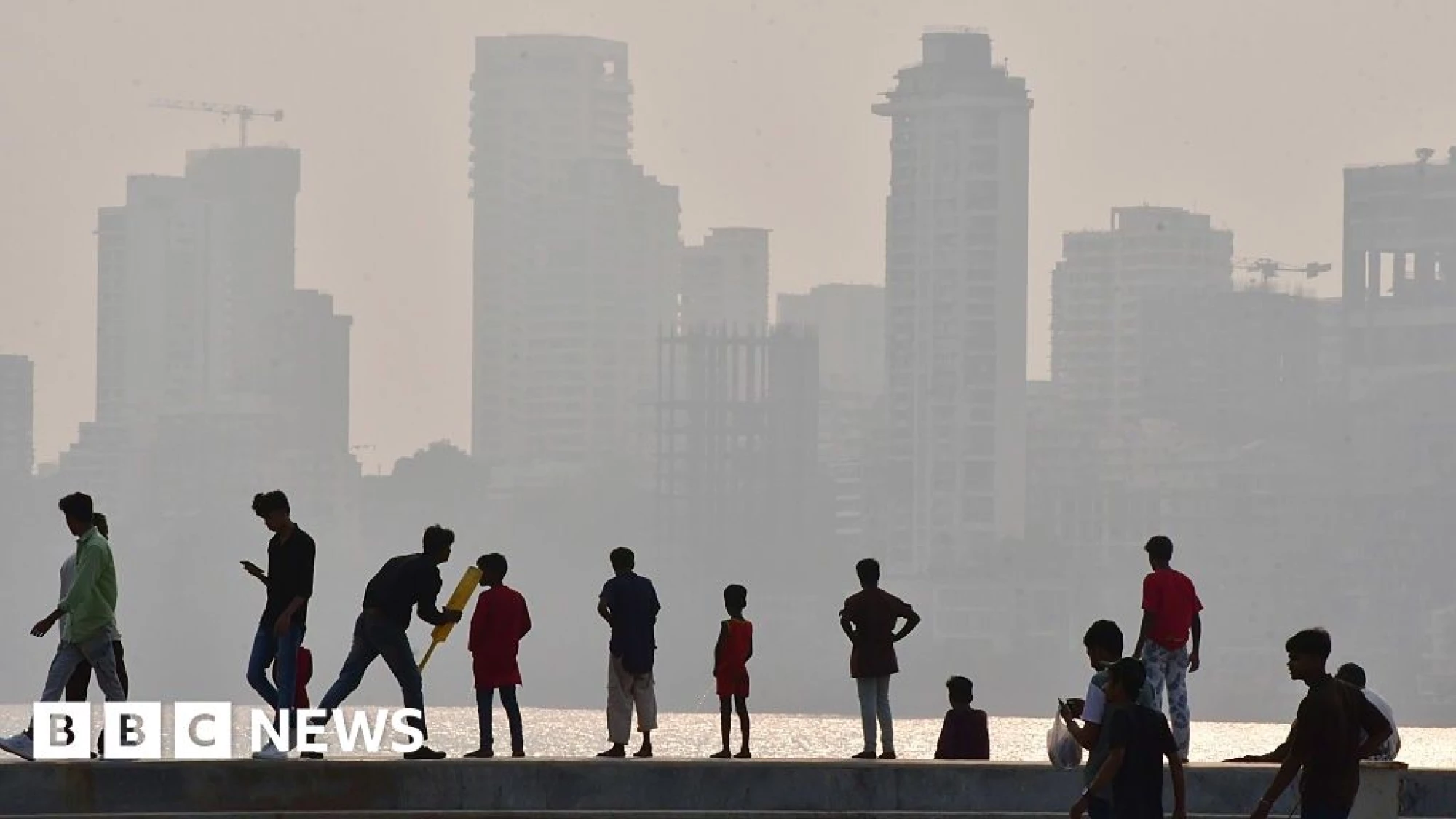
India’s sunshine hours have fallen over the past 30 years due to clouds, aerosols and local weather.
Watch LiveBritish Broadcasting CorporationHomeNewsSportBusinessInnovationCultureArtsTravelEarthAudioVideoLiveDocumentariesHomeNewsIsrael-Gaza WarWar in UkraineUS & CanadaUKUK PoliticsEnglandN. IrelandN. Ireland PoliticsScotlandScotland PoliticsWalesWales PoliticsAfricaAsiaChinaIndiaAustraliaEuropeLatin AmericaMiddle EastIn PicturesBBC InDepthBBC VerifySportBusinessExecutive LoungeTechnology of BusinessFuture of BusinessInnovationTechnologyScience & HealthArtificial IntelligenceAI v the MindCultureFilm & TVMusicArt & DesignStyleBooksEntertainment NewsArtsArts in MotionTravelDestinationsAfricaAntarcticaAsiaAustralia and PacificCaribbean & BermudaCentral AmericaEuropeMiddle EastNorth AmericaSouth AmericaWorld’s TableCulture & ExperiencesAdventuresThe SpeciaListTo the Ends of The Earth EarthNatural WondersWeather & ScienceClimate SolutionsSustainable BusinessGreen LivingAudioPodcast CategoriesRadioAudio FAQsVideoBBC MaestroLiveLive NewsLive SportDocumentariesHomeNewsSportBusinessInnovationCultureArtsTravelEarthAudioVideoLiveDocumentariesWeatherNewslettersWatch LiveFoul skies, fading light: How air pollution is stealing India's sunshine2 days agoShareSaveSoutik BiswasIndia correspondentShareSaveHindustan Times via Getty ImagesIndia faces a severe air pollution crisis, ranking among the world's top 10 most polluted countriesIndia is losing sunlight.
A new study by six Indian scientists finds that over the past three decades, sunshine hours - the time direct sunlight reaches the Earth's surface - have steadily declined across most of India, driven by clouds, aerosols and local weather.
Data from 20 weather stations from 1988 to 2018 shows a persistent decline in sunshine hours nationwide, with only the northeast region seeing a mild seasonal reprieve, according to the paper published in Scientific Reports, a peer-reviewed journal published by Nature Portfolio.
Scientists from Banaras Hindu University, the Indian Institute of Tropical Meteorology and the India Meteorological Department report that the steepest annual declines occurred in the northern inland region - notably Amritsar and Kolkata - as well as along the Himalayan belt and the west coast, particularly Mumbai.
All of nine India's geograpically diverse regions showed an overall annual decline in sunshine hours, though the rate of decrease varied across India. Monthly analysis revealed significant increases from October to May, followed by sharp drops from June to July in six of the nine regions.
https://www.bbc.com/news/articles/cr5qygr6d5yo?at_medium=RSS&at_campaign=rss
Rating: 5