Delhi: Why India caps pollution reading at 500 when the air is far more toxic
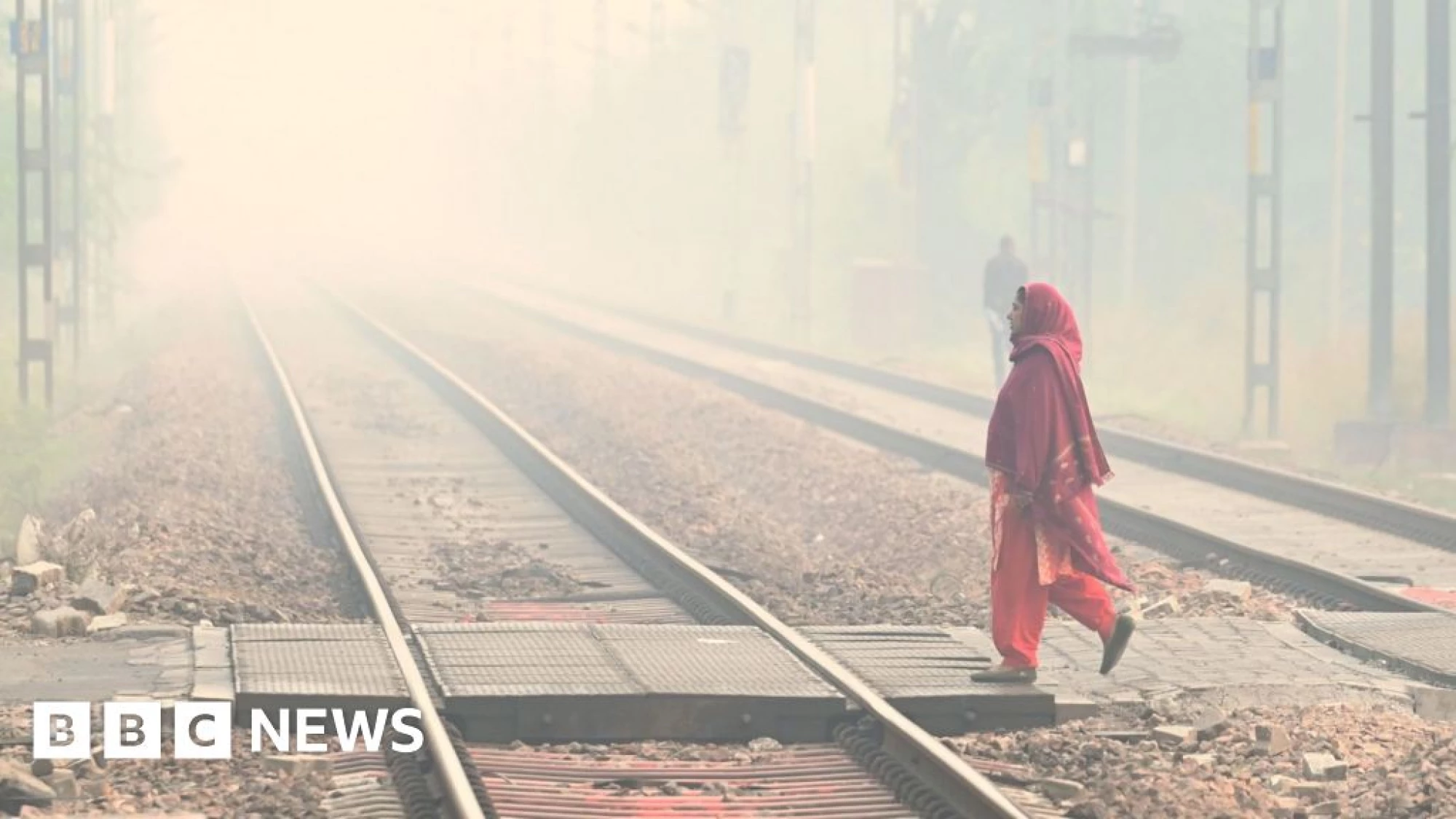
India's air quality framework hasn't been comprehensively revised since 2009 and needs an update, say experts.
Watch LiveBritish Broadcasting CorporationHomeNewsSportBusinessInnovationCultureArtsTravelEarthAudioVideoLiveDocumentariesHomeNewsIsrael-Gaza WarWar in UkraineUS & CanadaUKUK PoliticsEnglandN. IrelandN. Ireland PoliticsScotlandScotland PoliticsWalesWales PoliticsAfricaAsiaChinaIndiaAustraliaEuropeLatin AmericaMiddle EastIn PicturesBBC InDepthBBC VerifySportBusinessExecutive LoungeTechnology of BusinessFuture of BusinessInnovationWatch DocumentariesTechnologyScience & HealthArtificial IntelligenceAI v the MindCultureWatch DocumentariesFilm & TVMusicArt & DesignStyleBooksEntertainment NewsArtsArts in MotionTravelWatch DocumentariesDestinationsAfricaAntarcticaAsiaAustralia and PacificCaribbean & BermudaCentral AmericaEuropeMiddle EastNorth AmericaSouth AmericaWorld’s TableCulture & ExperiencesAdventuresThe SpeciaListTo the Ends of The Earth EarthWatch DocumentariesNatural WondersWeather & ScienceClimate SolutionsSustainable BusinessGreen LivingAudioPodcast CategoriesRadioAudio FAQsVideoWatch DocumentariesBBC MaestroLiveLive NewsLive SportDocumentariesHomeNewsSportBusinessInnovationCultureArtsTravelEarthAudioVideoLiveDocumentariesWeatherNewslettersWatch LiveWhy India caps pollution reading at 500 when the air is far more toxic2 days agoShareSaveNikita YadavBBC News, DelhiShareSaveHindustan Times via Getty ImagesIndia's AQI (air quality index) readings can be much higher than 500 on private monitors For millions across northern India, the November air tastes ashy, the sky looks visibly hazy and merely stepping outside feels like a challenge.
For many, their morning routine starts with checking how bad the air is. But what they see depends entirely on which monitor they use.
Government-backed apps like SAFAR and SAMEER top out at 500 - the upper limit of India's AQI (air quality index) scale, which converts complex data on various pollutants such as PM2.5, PM10, nitrogen dioxide, sulphur dioxide, carbon monoxide and ozone, into a single number.
But private and international trackers such as IQAir and open-source monitoring platform AQI routinely show far higher numbers, often shooting past 600 and even crossing 1,000 on some days.
This contradiction leaves people asking the same question every year: Which numbers should they trust? And why doesn't India officially report air quality beyond 500?
https://www.bbc.com/news/articles/ced6jgg0180o?at_medium=RSS&at_campaign=rss
Rating: 5