Air pollution: Delhi hospitals saw 200,000 respiratory illness patients in three years
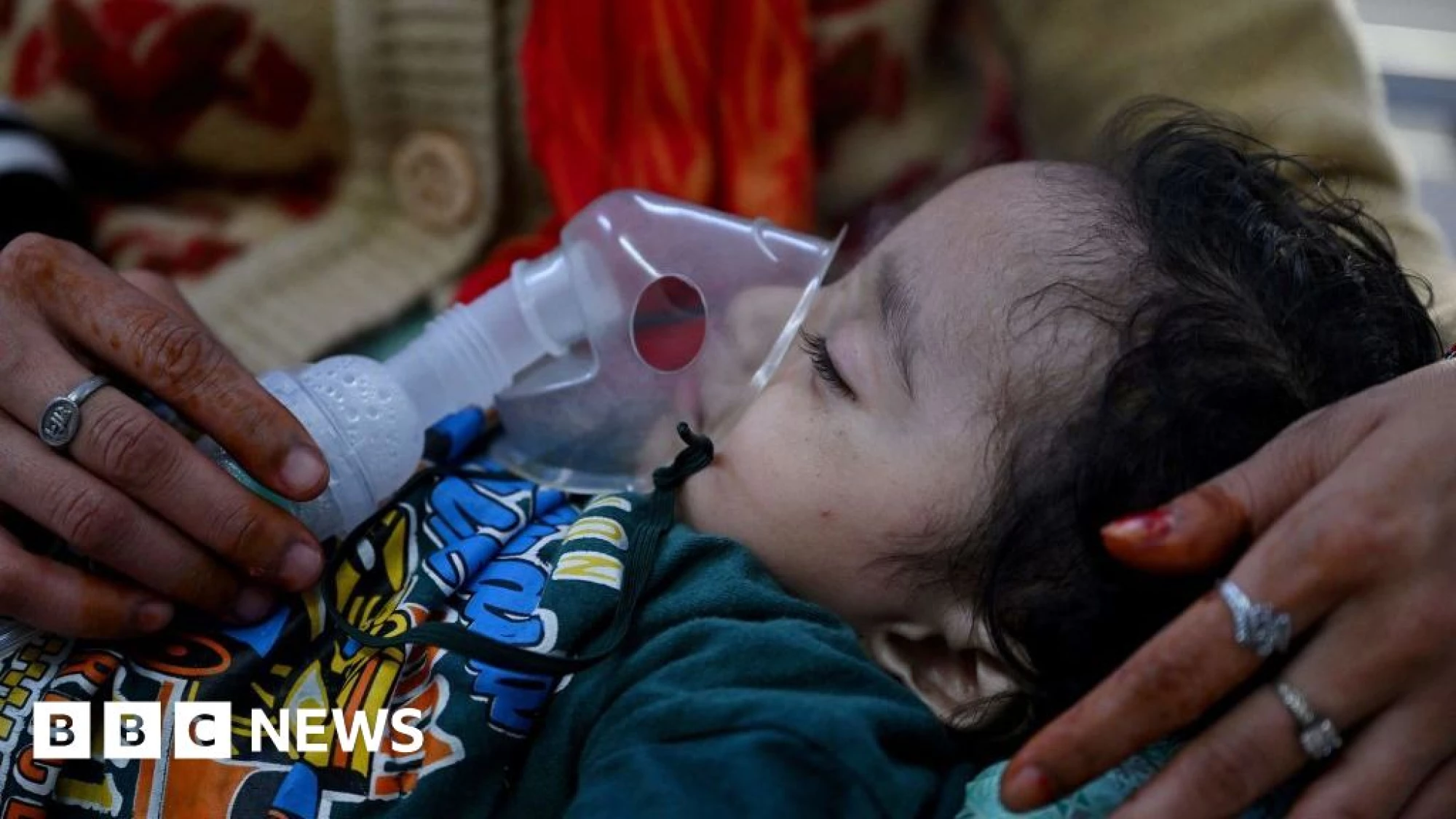
More than 30,000 people with respiratory illnesses had to be hospitalised in Delhi between 2022 and 2024.
Watch LiveBritish Broadcasting CorporationHomeNewsSportBusinessInnovationCultureArtsTravelEarthAudioVideoLiveDocumentariesHomeNewsIsrael-Gaza WarWar in UkraineUS & CanadaUKUK PoliticsEnglandN. IrelandN. Ireland PoliticsScotlandScotland PoliticsWalesWales PoliticsAfricaAsiaChinaIndiaAustraliaEuropeLatin AmericaMiddle EastIn PicturesBBC InDepthBBC VerifySportBusinessExecutive LoungeTechnology of BusinessFuture of BusinessInnovationWatch DocumentariesTechnologyScience & HealthArtificial IntelligenceAI v the MindCultureWatch DocumentariesFilm & TVMusicArt & DesignStyleBooksEntertainment NewsArtsWatch DocumentariesArts in MotionTravelWatch DocumentariesDestinationsAfricaAntarcticaAsiaAustralia and PacificCaribbean & BermudaCentral AmericaEuropeMiddle EastNorth AmericaSouth AmericaWorld’s TableCulture & ExperiencesAdventuresThe SpeciaListEarthWatch DocumentariesNatural WondersWeather & ScienceClimate SolutionsSustainable BusinessGreen LivingAudioPodcast CategoriesRadioAudio FAQsVideoWatch DocumentariesBBC MaestroLiveLive NewsLive SportDocumentariesHomeNewsSportBusinessInnovationCultureArtsTravelEarthAudioVideoLiveDocumentariesWeatherNewslettersWatch LiveDelhi records 200,000 acute respiratory illness cases amid toxic air8 hours agoShareSaveAbhishek DeyDelhiShareSaveGetty ImagesSome hospitals in Delhi now have clinics to treat pollution-related illnessesMore than 200,000 cases of acute respiratory illnesses were recorded in six state-run hospitals in Delhi between 2022 and 2024 as the Indian capital struggled with rising pollution levels, the federal government has said.
The government said in parliament that more than 30,000 people with respiratory illnesses had to be hospitalised in these three years.
Toxic air is a recurring problem in Delhi and its suburbs, especially during winters.
For weeks now, Delhi's Air Quality Index (AQI) - which measures different types of pollutants, including PM2.5, a fine particulate matter that can clog lungs - has been more than 20 times the limit recommended by the World Health Organization.
There isn't a single cause behind the problem, but it's attributed to a mix of factors like industrial emissions, vehicle exhaust, dropping temperatures, low wind speeds and the seasonal burning of crop stubble in neighbouring states.
https://www.bbc.com/news/articles/cp39q5n5037o?at_medium=RSS&at_campaign=rss
Rating: 5