Exposure to any germs could've killed her. 11 years later, she's living a normal life thanks to a gene therapy treatment.
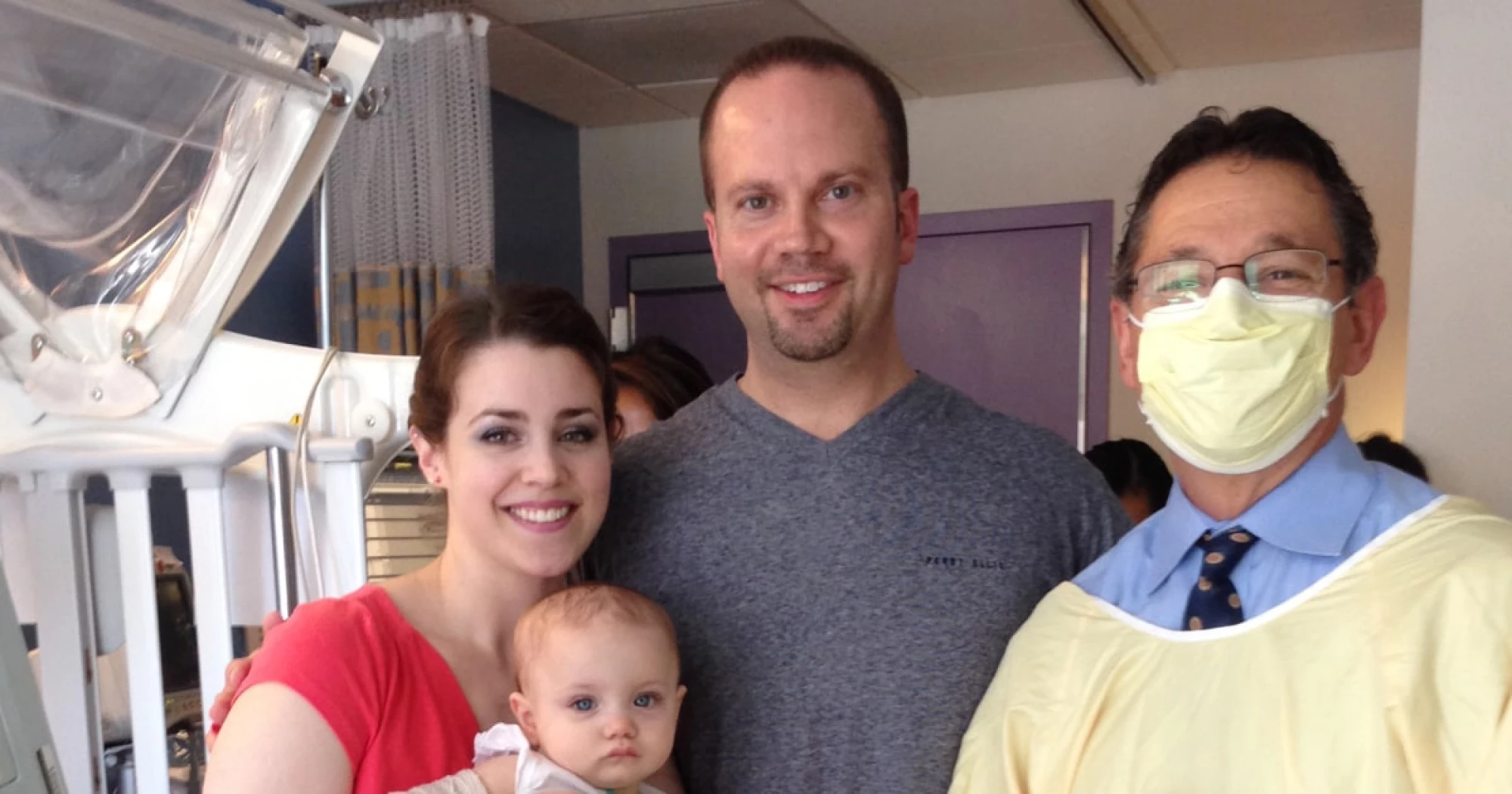
New research found that gene therapy for children with "bubble boy disease," or SCID, was successful in 95% of trial participants.
Two months after she was born, Eliana Nachem got a cough that wouldn’t go away. Three weeks later, she also started having runny stool, prompting a visit to her pediatrician.
Eliana didn’t have allergies or a gastrointestinal condition; instead, tests pointed to a problem with her immune system. At 4 months old, Eliana received her diagnosis: severe combined immunodeficiency, or SCID.
Babies born with the extremely rare disease do not develop the cells required for a functioning immune system. Every germ becomes a potentially fatal threat and to stay healthy, children with the condition must live in a completely sterile environment. Without treatment, kids usually do not live past their second birthday.
“I expected the worst, then I immediately went into research mode,” Eliana’s father, Jeff Nachem, said.
The Nachems also got to work turning their home into a germ-free fortress, rehoming their pets, never opening the windows and opening the doors to outside as sparingly as possible. Eliana was kept inside, and on the rare instance when visitors came by, the family had disposable gowns, gloves and masks for them to wear. (SCID is sometimes referred to as “bubble boy disease.”) Eliana also started on a temporary therapy that replaced a missing enzyme in her body, called adenosine deaminase (ADA).
Rating: 5