Ancient RNA offers a snapshot of a mammoth's life 39,000 years ago
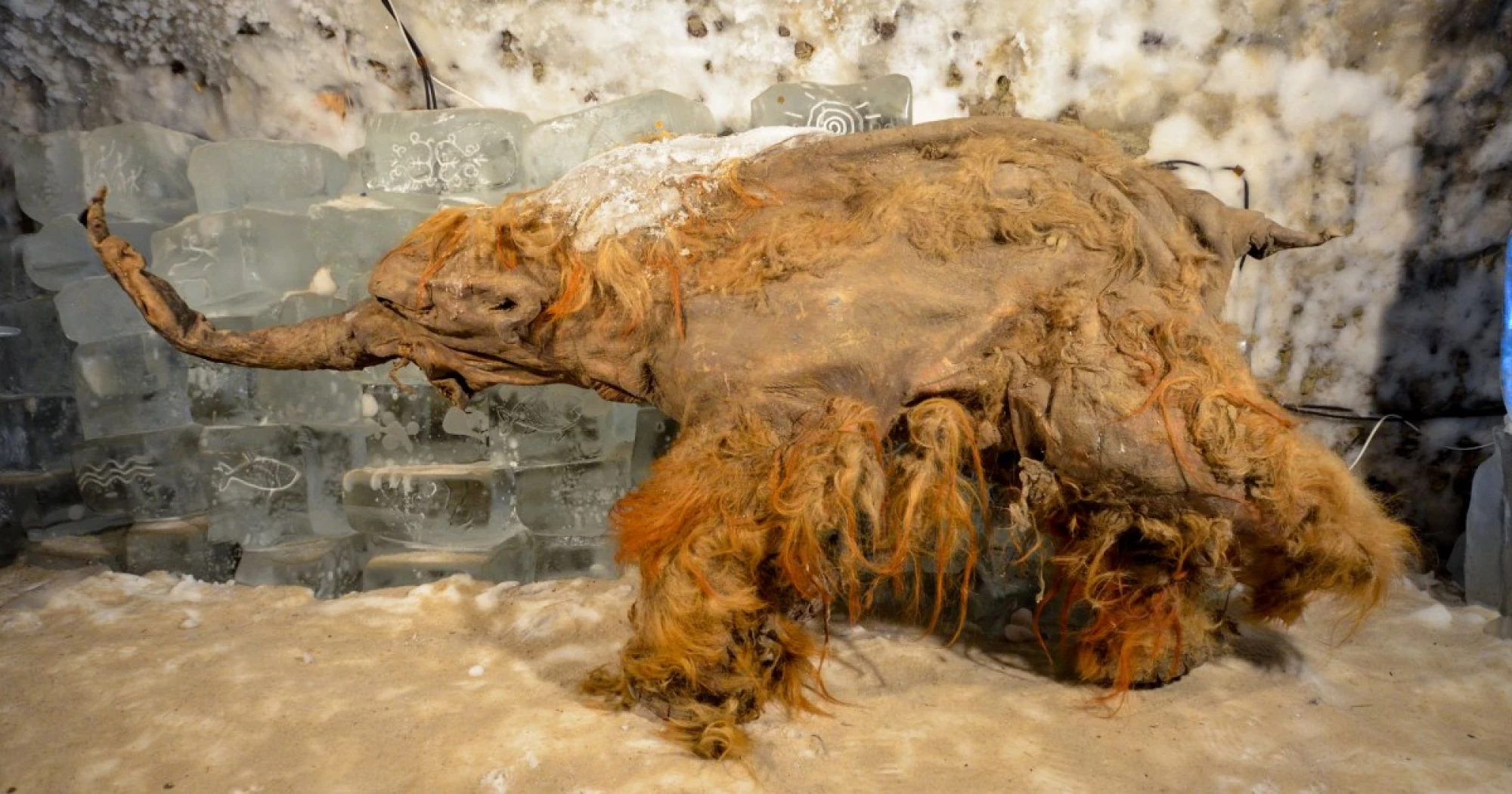
Some 39,000 years ago, a woolly mammoth died in present-day Siberia, destined to be blanketed by ice and permafrost that would end up preserving its body — even down to the hair and muscle.
Some 39,000 years ago, a woolly mammoth died in present-day Siberia, destined to be blanketed by ice and permafrost that would end up preserving its body — even down to the hair and muscle.
Now, that mammoth, known as Yuka, is offering scientists a fresh perspective on the flow of genetic information in ancient creatures.
For the first time, scientists were able to extract and sequence woolly mammoth RNA from a sample collected from Yuka, giving researchers a window into which genes were turned on and off in the extinct creature.
The samples from the mammoth are the oldest ancient RNA ever profiled by researchers. The researchers also profiled the animal’s DNA.
Unlike DNA, which contains the genetic blueprint for Yuka, the RNA tells researchers which genes were being expressed on the day it died, providing a snapshot of what was going on inside the animal’s cells at a particular moment in time.
Rating: 5