Slavery reparations: What does the UN vote mean?
African and Caribbean nations want countries which benefited from slavery to pay compensation but it will not be straightforward.
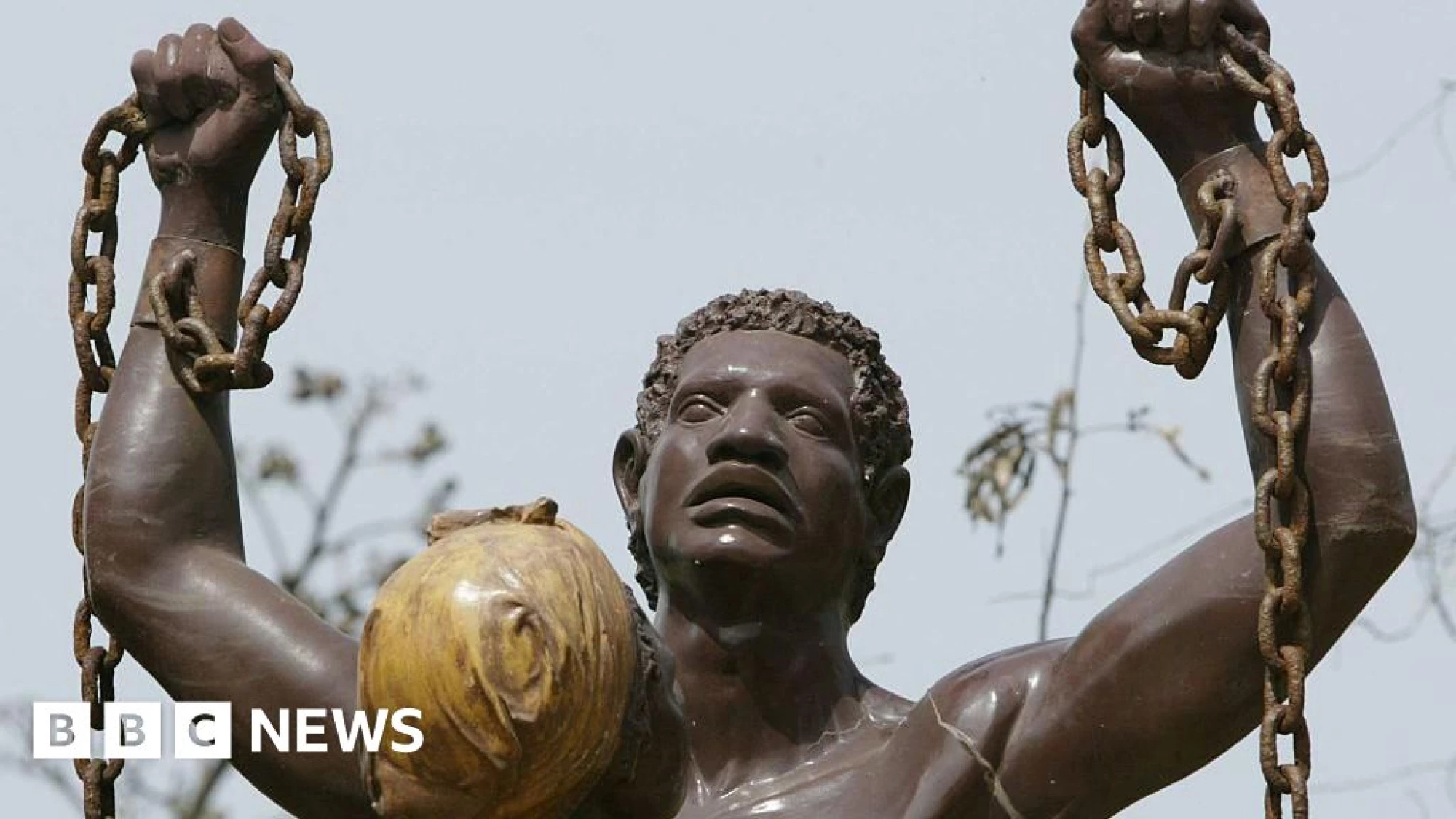
Watch LiveBritish Broadcasting CorporationHomeNewsSportBusinessTechnologyHealthCultureArtsTravelEarthAudioVideoLiveDocumentariesHomeNewsUS & CanadaUKUK PoliticsEnglandN. IrelandN. Ireland PoliticsScotlandScotland PoliticsWalesWales PoliticsAfricaAsiaChinaIndiaAustraliaEuropeLatin AmericaMiddle EastIn PicturesBBC InDepthBBC VerifySportBusinessWorld of BusinessTechnology of BusinessNYSE Opening BellTechnologyWatch DocumentariesArtificial IntelligenceAI v the MindHealthWatch DocumentariesCultureWatch DocumentariesFilm & TVMusicArt & DesignStyleBooksEntertainment NewsArtsWatch DocumentariesArts in MotionTravelWatch DocumentariesDestinationsAfricaAntarcticaAsiaAustralia and PacificCaribbean & BermudaCentral AmericaEuropeMiddle EastNorth AmericaSouth AmericaWorld’s TableCulture & ExperiencesAdventuresThe SpeciaListEarthWatch DocumentariesScienceNatural WondersClimate SolutionsSustainable BusinessGreen LivingAudioPodcast CategoriesRadioAudio FAQsVideoWatch DocumentariesBBC MaestroDiscover the WorldLiveLive NewsLive SportDocumentariesHomeNewsSportBusinessTechnologyHealthCultureArtsTravelEarthAudioVideoLiveDocumentariesWeatherNewslettersWatch Live'The gravest crime against humanity': What does the UN vote on slavery mean?2 days agoShareSaveFernando DuarteBBC World ServiceShareSaveAFP via Getty ImagesSeveral African countries have erected memorials to the victims of slavery, such as this statue in SenegalThe United Nations General Assembly this week overwhelmingly backed a resolution declaring the transatlantic slave trade "the gravest crime against humanity".
Welcoming the vote, UN Secretary-General Antonio Guterres said that the wealth of many Western nations was "built on stolen lives and stolen labour".
Noting the "barbaric punishments that maintained control - from shackles and iron collars to flogging and sexual violence", he said it "was not simply forced labour".
"It was a machinery of mass exploitation and deliberate dehumanisation of men, women and children. The wounds run deep and often go unrecognised."
The resolution, backed by African and Caribbean countries, is not legally binding but analysts say it sends a powerful message.
https://www.bbc.com/news/articles/c0rxqng5pyno?at_medium=RSS&at_campaign=rss
Rating: 5