What does it take to survive in the Arctic's extreme weather?
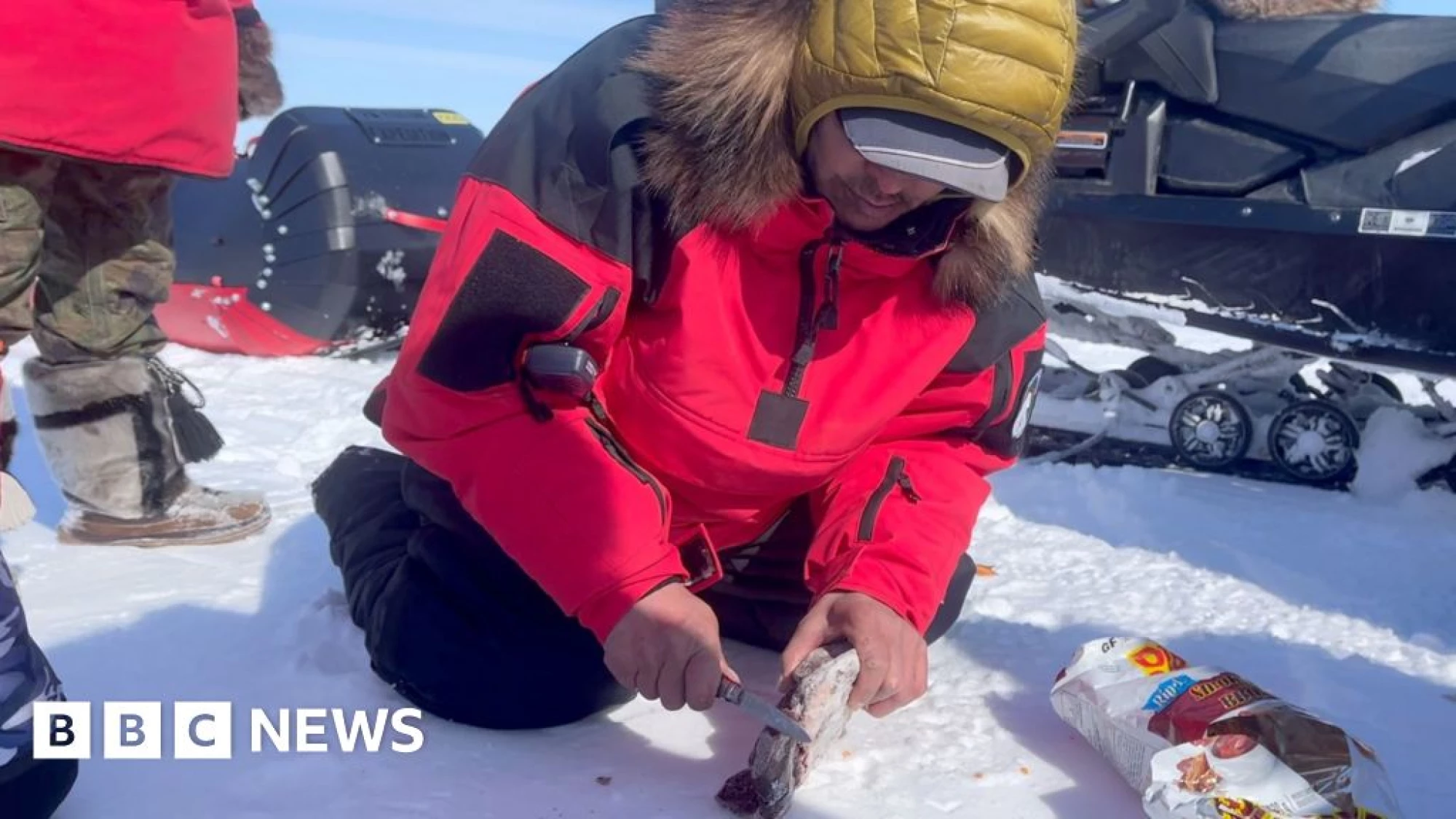
The BBC spent time with the Canadian military in the country's northernmost region - this is what they taught us about dealing with extreme conditions.
Watch LiveBritish Broadcasting CorporationHomeNewsSportBusinessTechnologyHealthCultureArtsTravelEarthAudioVideoLiveDocumentariesHomeNewsUS & CanadaUKUK PoliticsEnglandN. IrelandN. Ireland PoliticsScotlandScotland PoliticsWalesWales PoliticsAfricaAsiaChinaIndiaAustraliaEuropeLatin AmericaMiddle EastIn PicturesBBC InDepthBBC VerifySportBusinessWorld of BusinessTechnology of BusinessNYSE Opening BellTechnologyWatch DocumentariesArtificial IntelligenceIntelligence RevolutionAI v the MindHealthWatch DocumentariesCultureWatch DocumentariesFilm & TVMusicArt & DesignStyleBooksEntertainment NewsArtsWatch DocumentariesArts in MotionTravelWatch DocumentariesDestinationsAfricaAntarcticaAsiaAustralia and PacificCaribbean & BermudaCentral AmericaEuropeMiddle EastNorth AmericaSouth AmericaWorld’s TableCulture & ExperiencesAdventuresThe SpeciaListEarthWatch DocumentariesScienceNatural WondersClimate SolutionsSustainable BusinessGreen LivingAudioPodcast CategoriesRadioAudio FAQsVideoWatch DocumentariesBBC MaestroDiscover the WorldLiveLive NewsLive SportDocumentariesHomeNewsSportBusinessTechnologyHealthCultureArtsTravelEarthAudioVideoLiveDocumentariesWeatherNewslettersWatch LiveWhat does it take to survive in the Arctic? These rangers have an ideaTo survive in one of the harshest environments on Earth, the people who live and patrol Canada's Arctic rely on lessons passed down through generations.
The BBC joined the military's Canadian Rangers on the final leg of a 5,200km (3,200 miles) Arctic patrol, where they shared the survival skills needed to endure freezing temperatures, navigate remote tundra and camp in conditions as cold as -60C (-76F).
Video by Eloise Alanna
ShareSaveOfficer on horseback chases suspect through New York streetsThe suspect was accused of purse-snatching and has been charged with larceny and providing false information.
Artemis commander tells BBC about 'powerful' moment crater named after his late wifeReid Wiseman’s two daughters were in Nasa’s mission control room for the naming of the “Carroll” crater in honour of the commander’s late wife.
https://www.bbc.com/news/videos/ckgepkp3zgjo?at_medium=RSS&at_campaign=rss
Rating: 5