It's not just oil: Why Iran war also threatens Asia's food security
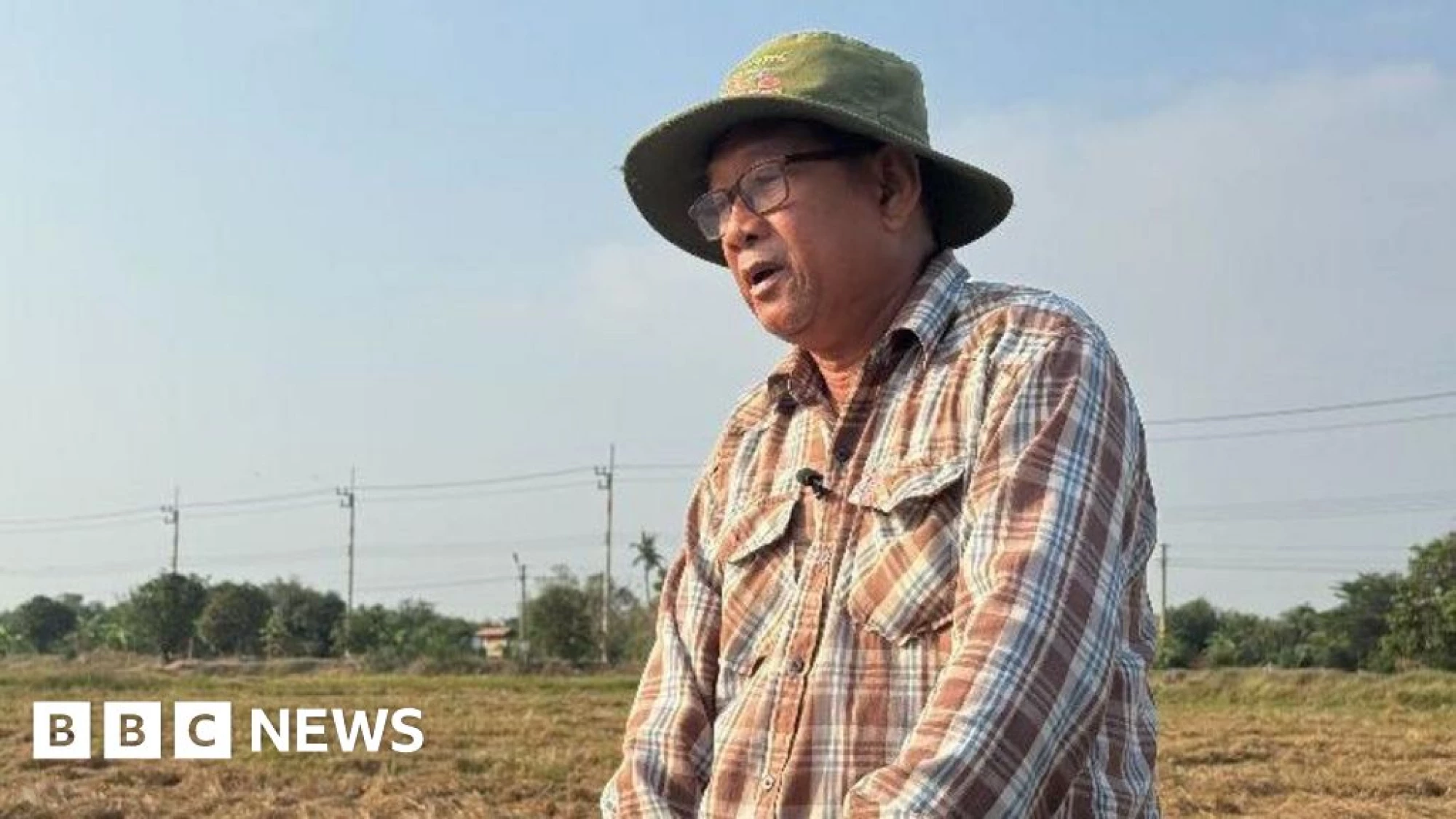
Planting season is beginning in Asia - but the closure of the Strait of Hormuz and Chinese restrictions has hit fertiliser supply.
Watch LiveBritish Broadcasting CorporationHomeNewsSportBusinessTechnologyHealthCultureArtsTravelEarthAudioVideoLiveDocumentariesHomeNewsUS & CanadaUKUK PoliticsEnglandN. IrelandN. Ireland PoliticsScotlandScotland PoliticsWalesWales PoliticsAfricaAsiaChinaIndiaAustraliaEuropeLatin AmericaMiddle EastIn PicturesBBC InDepthBBC VerifySportBusinessWorld of BusinessTechnology of BusinessNYSE Opening BellTechnologyWatch DocumentariesArtificial IntelligenceIntelligence RevolutionAI v the MindTech NowHealthWatch DocumentariesCultureWatch DocumentariesFilm & TVMusicArt & DesignStyleBooksEntertainment NewsArtsWatch DocumentariesArts in MotionTravelWatch DocumentariesDestinationsAfricaAntarcticaAsiaAustralia and PacificCaribbean & BermudaCentral AmericaEuropeMiddle EastNorth AmericaSouth AmericaWorld’s TableCulture & ExperiencesAdventuresThe SpeciaListEarthWatch DocumentariesScienceNatural WondersClimate SolutionsSustainable BusinessGreen LivingAudioPodcast CategoriesRadioAudio FAQsVideoWatch DocumentariesBBC MaestroDiscover the WorldLiveLive NewsLive SportDocumentariesHomeNewsSportBusinessTechnologyHealthCultureArtsTravelEarthAudioVideoLiveDocumentariesWeatherNewslettersWatch LiveIt's not just oil: Iran war also threatens Asia's food security2 days agoShareSaveAdd as preferred on GoogleShawn Yuan,BBC World Service, Global China UnitandJiraporn Sricham,BBC ThaiBBCSuchart Piamsomboon, a 60-year-old rice farmer in Chachoengsao province, ThailandAs planting season dawned across South East Asia's rice fields, Suchart Piamsomboon, a 60-year-old farmer from Thailand's Chachoengsao province, went to the local shop for fertilisers.
But the fertiliser had not arrived.
And, he was told, it might not arrive. Even if it did, it would cost over 1,100 baht a sack - a jump from the 800-900 baht it cost just over a month ago.
By the time Piamsomboon got home, word was already circulating that prices could even hit 1,200 baht.
"I've decided not to do it," he said, when asked whether he would plant this season. "Farming only leads to financial losses. I'd rather work as a day labourer and earn 100 to 200 baht a day just to get by. Expenses don't go down, but income keeps falling."
https://www.bbc.com/news/articles/c208yl1jkl7o?at_medium=RSS&at_campaign=rss
Rating: 5