Harlem Renaissance's LGBTQ legacy featured in new exhibit
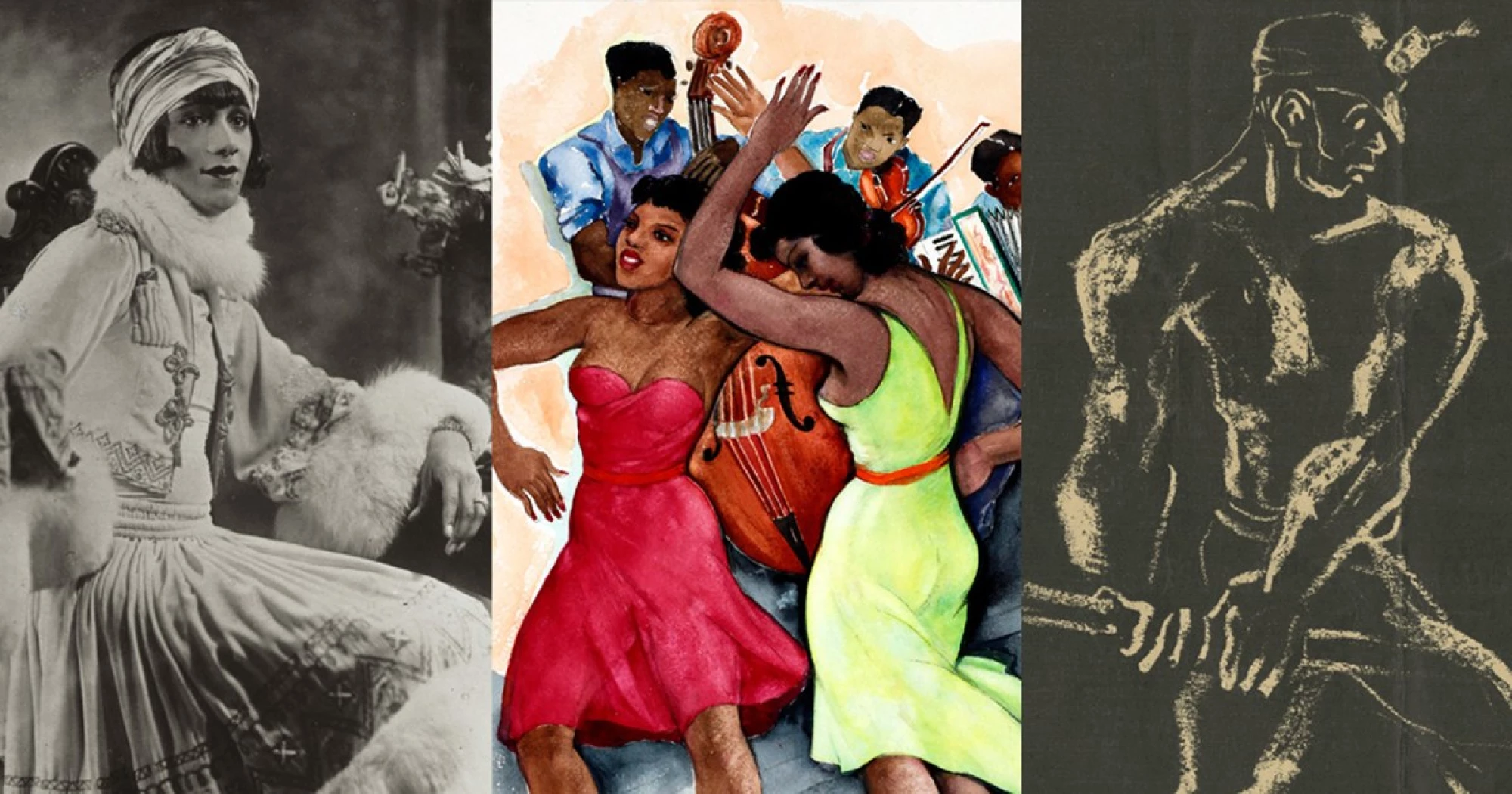
The Harlem Renaissance was one of the most important artistic and cultural milestones in modern history, and a sweeping new exhibit at The New York Historical highlights how this era was — as Henry Louis Gates Jr.
The Harlem Renaissance was one of the most important artistic and cultural milestones in modern history, and a sweeping new exhibit at The New York Historical highlights how this era was — as Henry Louis Gates Jr. once put it — “surely as gay as it was Black.”
This perspective rings true for Allison Robinson, the lead curator of “The Gay Harlem Renaissance.”
“In school, we tend to learn that the Harlem Renaissance was focused on race and class, and the things that they’re producing, but in fact, sexuality and gender are just as important,” Robinson told NBC News.
The Harlem Renaissance was marked by an explosion of Black creativity, identity and intellectual life centered in New York City’s Harlem neighborhood during the 1920s and early 1930s, though Robinson noted that historians debate exactly when it ended.
The era, Robinson said, gave Black artists “an opportunity to express themselves in ways that had not been done before,” adding that “Black queer creatives are really a driving force” during this period, even amid racism and homophobia.
Rating: 5