Mumbai's glorious Art Deco legacy at 100
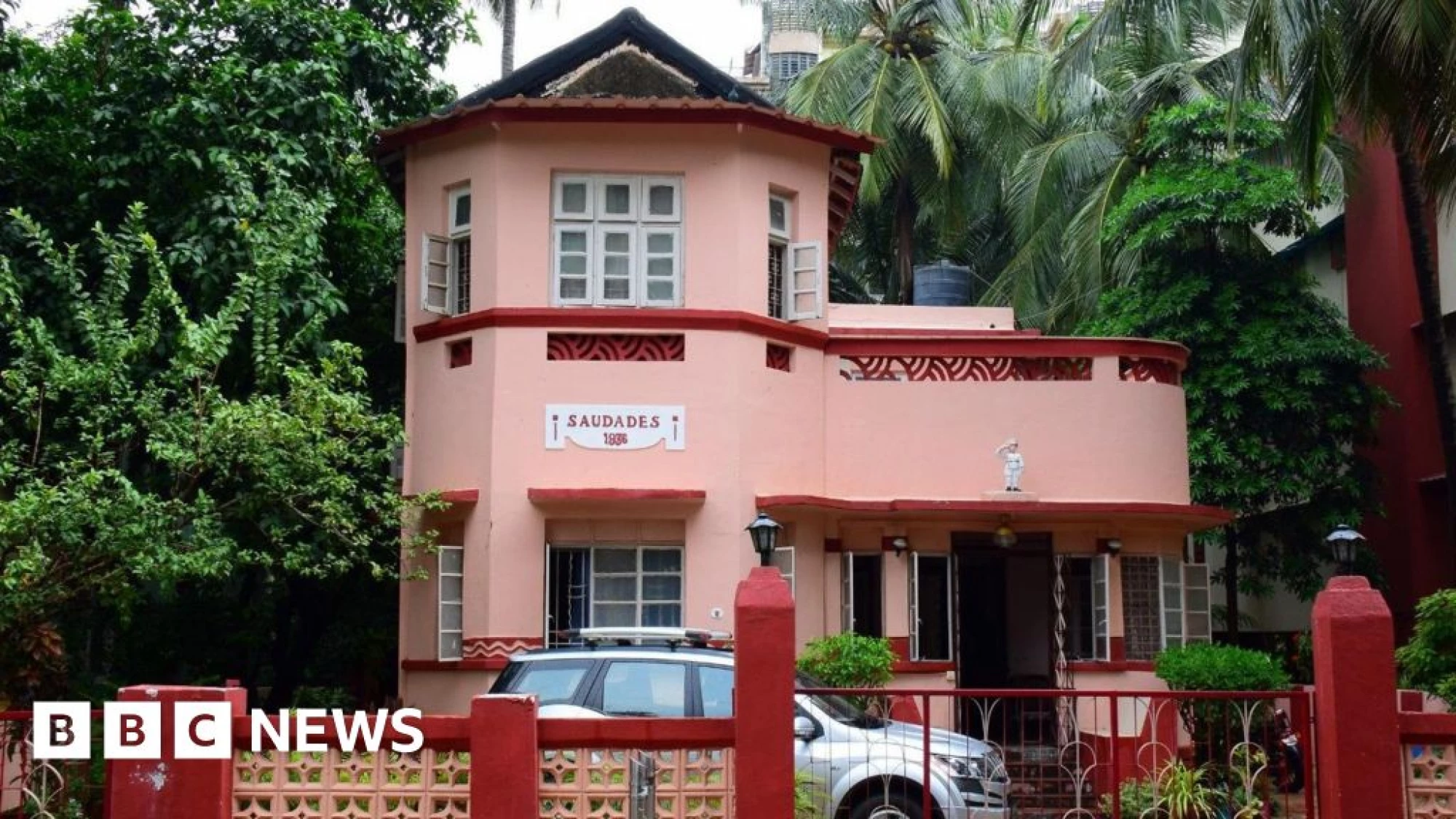
Mumbai is home to one of the world's largest collection of Art Deco buildings, but many are unprotected.
Watch LiveBritish Broadcasting CorporationHomeNewsSportBusinessInnovationCultureArtsTravelEarthAudioVideoLiveDocumentariesHomeNewsIsrael-Gaza WarWar in UkraineUS & CanadaUKUK PoliticsEnglandN. IrelandN. Ireland PoliticsScotlandScotland PoliticsWalesWales PoliticsAfricaAsiaChinaIndiaAustraliaEuropeLatin AmericaMiddle EastIn PicturesBBC InDepthBBC VerifySportBusinessExecutive LoungeTechnology of BusinessFuture of BusinessInnovationWatch DocumentariesTechnologyScience & HealthArtificial IntelligenceAI v the MindCultureWatch DocumentariesFilm & TVMusicArt & DesignStyleBooksEntertainment NewsArtsWatch DocumentariesArts in MotionTravelWatch DocumentariesDestinationsAfricaAntarcticaAsiaAustralia and PacificCaribbean & BermudaCentral AmericaEuropeMiddle EastNorth AmericaSouth AmericaWorld’s TableCulture & ExperiencesAdventuresThe SpeciaListTo the Ends of The Earth EarthWatch DocumentariesNatural WondersWeather & ScienceClimate SolutionsSustainable BusinessGreen LivingAudioPodcast CategoriesRadioAudio FAQsVideoWatch DocumentariesBBC MaestroLiveLive NewsLive SportDocumentariesHomeNewsSportBusinessInnovationCultureArtsTravelEarthAudioVideoLiveDocumentariesWeatherNewslettersWatch LiveHidden in plain sight - Mumbai's glorious Art Deco legacy at 10013 hours agoShareSaveNikhil InamdarMumbaiShareSaveArt Deco Mumbai Trust Architects blended local elements into Art Deco, like the lattice balcony screens on this Mumbai bungalowIt was at a landmark architecture exhibition in Paris in 1925 that the Art Deco aesthetic first exploded on the scene.
In the 100 years since, the glamorous building style - evocative of neon-lit jazz bars and the golden age of big motion pictures - rapidly spread around the world.
It moved from the famous pastel hotel facades of Miami's South Beach to the sprawling necklace of mansion apartments along Mumbai's Marine Drive seafront.
Art Deco's distinct motifs - typified by geometrical ziggurats (step towers), sweeping curves, sunburst designs, nautical elements and circular or turreted rooftops - symbolised an unequivocal break from the past, celebrating the dawn of a new, unabashed, post-war 20th Century modern age.
In a short time, the style transcended architecture to influence the design sensibility of home interiors, furniture, fonts, jewellery and some of the world's most iconic cinema halls - from Radio City Music Hall in New York City to Regal, Liberty and Eros cinemas in Mumbai.
https://www.bbc.com/news/articles/cx2p2xp19r3o?at_medium=RSS&at_campaign=rss
Rating: 5