Delaying vaccines in baby's first months raises likelihood of skipping measles shots
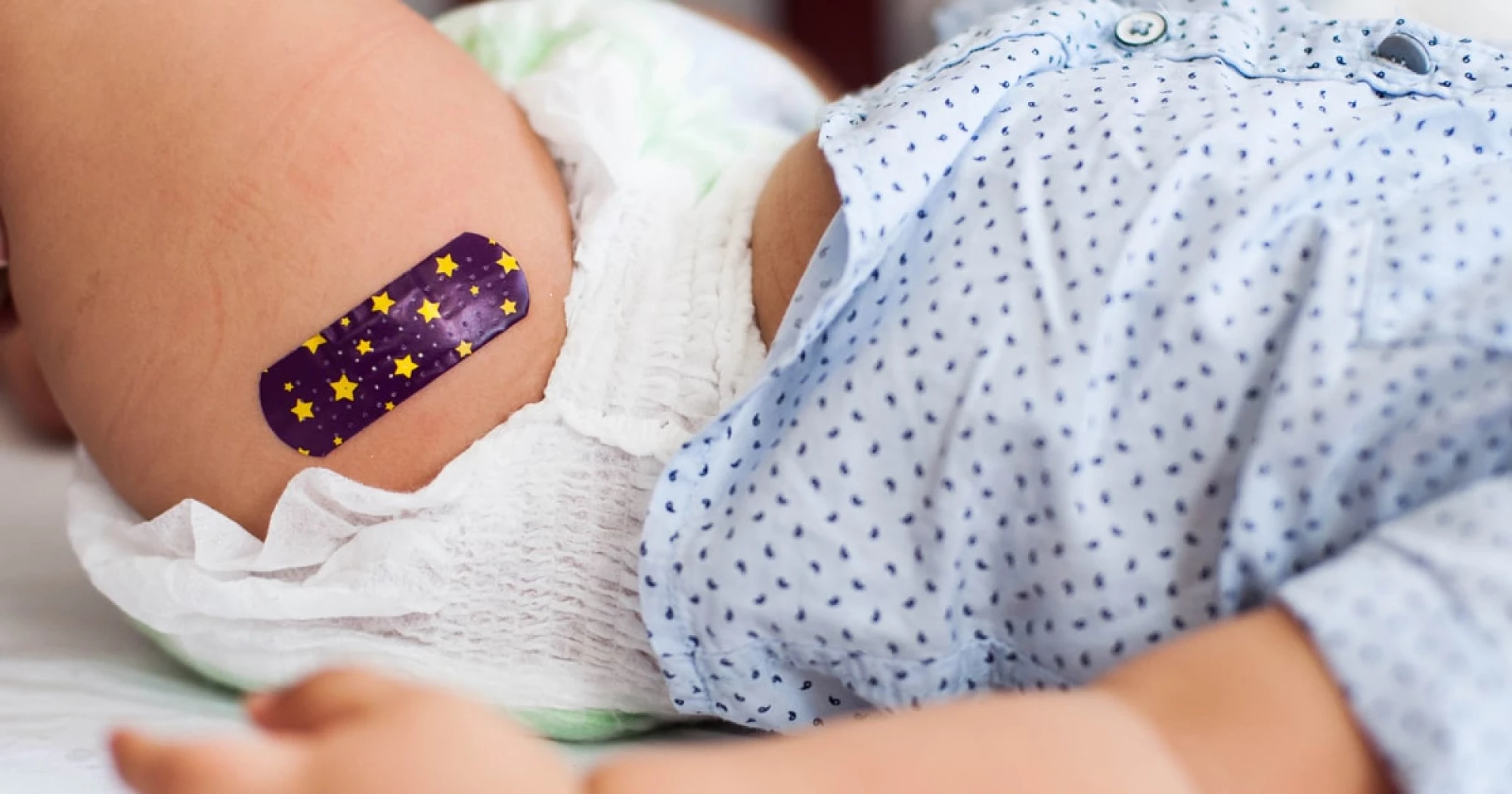
As the U.S. copes with ongoing measles outbreaks and possible changes to the childhood vaccine schedule loom, a new report shows the risks of delaying vaccines.
With the United States likely to lose its measles elimination status in the next few months and the possibility of looming changes to the childhood vaccine schedule, new research highlights the risk of delaying vaccination.
The study, which was published Friday in JAMA Network Open, analyzed the health records of 321,743 children with regular access to care, finding that getting the vaccines recommended in the first four months is the most likely sign that a child will receive the first dose of the measles, mumps and rubella (MMR) vaccine at 12 to 15 months.
The findings underscore a growing confusion over the best time to protect very young children from serious infectious diseases, as well as increased distrust of vaccination among parents, said Nina Masters, the study’s lead author and a senior applied research scientist at Truveta, a health care data and analytics company.
“It was a surprise for me to see how early this was happening,” she said. “To see that the first visit, that 2-month visit, we’re already seeing a strong effect between parents who are delaying that vaccine and then not getting the MMR vaccine for their child, to me, just indicates that that hesitancy is happening really early.”
Pushback has been building for years against the recommended vaccine schedule for babies and older children. According to an NBC News/Stanford University data investigation, school exemptions to routine vaccinations have been rising across the country, with exemption rates more than doubling in more than half of counties and jurisdictions, from their first year of collected data to the most recent.
https://www.nbcnews.com/health/kids-health/delaying-vaccines-measles-risk-report-rfk-jr-rcna251735
Rating: 5