CDC formally stops recommending hepatitis B vaccines for all newborns
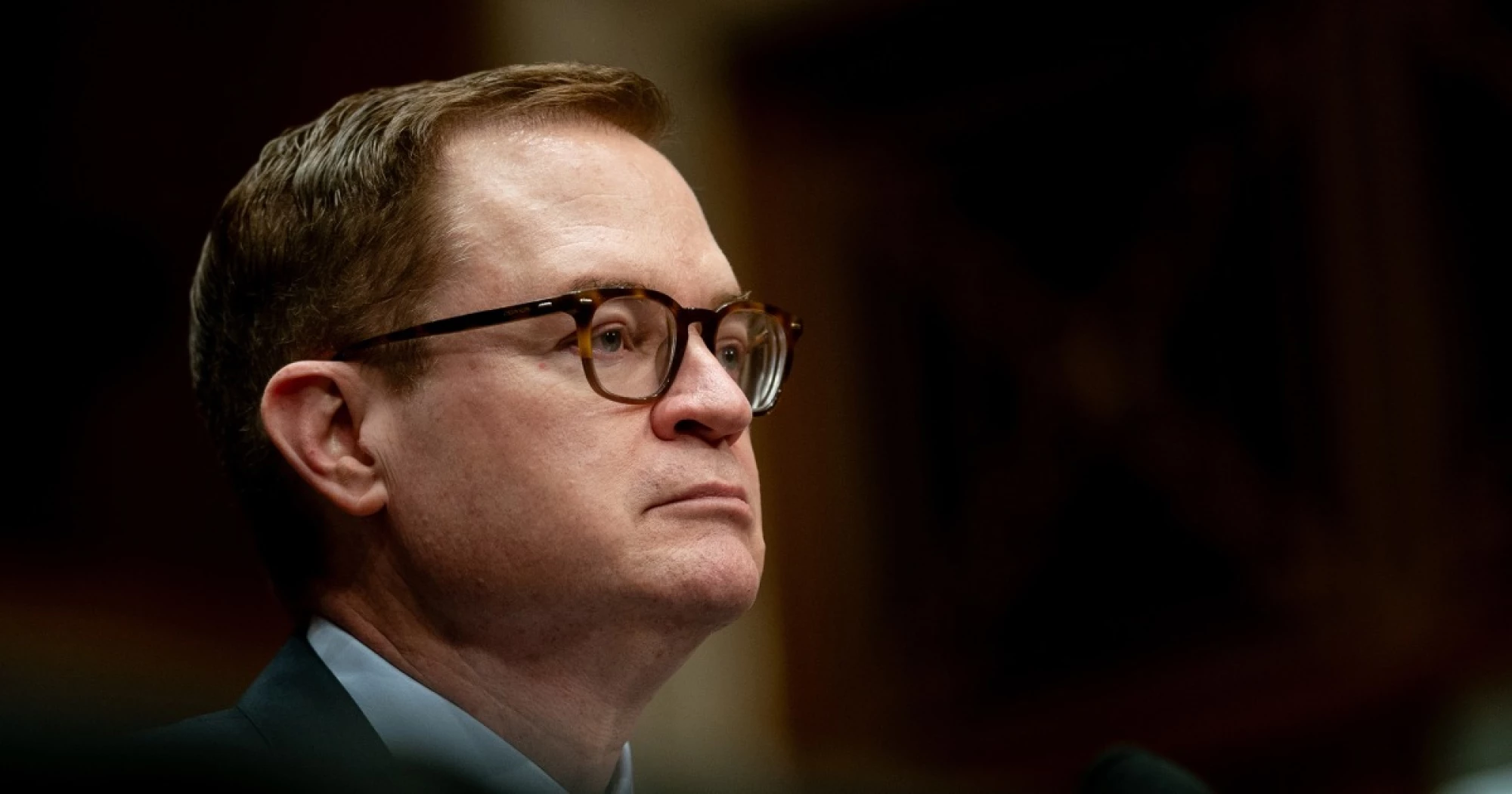
Instead of recommending the hepatitis B vaccine for all newborns, the CDC's guidance is now to consult a health care provider about the birth dose.
Instead of recommending the hepatitis B vaccine for all newborns, the Centers for Disease Control and Prevention now officially advises women who test negative for the virus to consult health care providers about whether their babies should get their first doses within 24 hours of birth.
The agency’s vaccine advisory committee — whose members Health Secretary Robert F. Kennedy Jr. appointed this year after he fired the previous ones — voted for the recommendation this month, upending more than three decades of agency guidance. Acting CDC Director Jim O’Neill accepted the change Tuesday — the final step for it to become the agency’s policy.
“We are restoring the balance of informed consent to parents whose newborns face little risk of contracting hepatitis B,” O'Neill said in a statement.
The CDC had recommended the birth dose of the vaccine since 1991. Many public health experts criticized the advisory committee’s decision: After the meeting, a chorus of doctors, political leaders and health officials called on O’Neill to ignore the suggested change and maintain the CDC’s recommendation, to no avail.
The CDC now suggests waiting until at least 2 months of age for babies’ first hepatitis B shots if they do not receive the birth dose. However, it still recommends that babies born to mothers who test positive for hepatitis B or whose infection statuses are unknown get hepatitis B vaccines within the first day of life.
Rating: 5