Greek sheep and goat cull raises fears of feta cheese shortage
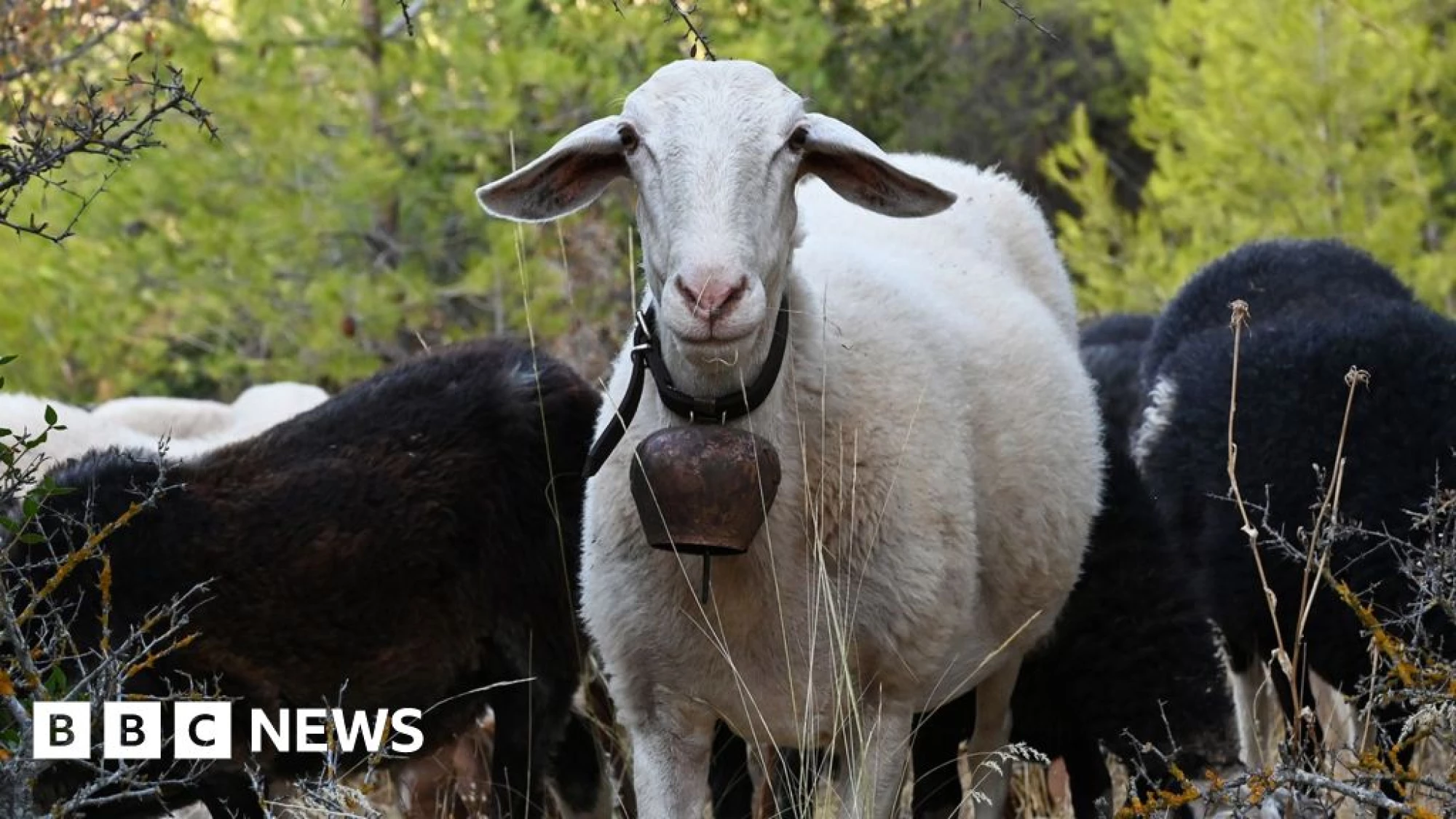
Livestock is being culled across the country due to an infectious disease outbreak.
Watch LiveBritish Broadcasting CorporationHomeNewsSportBusinessInnovationCultureArtsTravelEarthAudioVideoLiveDocumentariesHomeNewsIsrael-Gaza WarWar in UkraineUS & CanadaUKUK PoliticsEnglandN. IrelandN. Ireland PoliticsScotlandScotland PoliticsWalesWales PoliticsAfricaAsiaChinaIndiaAustraliaEuropeLatin AmericaMiddle EastIn PicturesBBC InDepthBBC VerifySportBusinessExecutive LoungeTechnology of BusinessFuture of BusinessInnovationWatch DocumentariesTechnologyScience & HealthArtificial IntelligenceAI v the MindCultureWatch DocumentariesFilm & TVMusicArt & DesignStyleBooksEntertainment NewsArtsWatch DocumentariesArts in MotionTravelWatch DocumentariesDestinationsAfricaAntarcticaAsiaAustralia and PacificCaribbean & BermudaCentral AmericaEuropeMiddle EastNorth AmericaSouth AmericaWorld’s TableCulture & ExperiencesAdventuresThe SpeciaListEarthWatch DocumentariesNatural WondersWeather & ScienceClimate SolutionsSustainable BusinessGreen LivingAudioPodcast CategoriesRadioAudio FAQsVideoWatch DocumentariesBBC MaestroLiveLive NewsLive SportDocumentariesHomeNewsSportBusinessInnovationCultureArtsTravelEarthAudioVideoLiveDocumentariesWeatherNewslettersWatch LiveGreek sheep and goat cull raises fears of feta cheese shortage2 days agoShareSaveKostas KoukoumakasThessaly, central GreeceShareSaveAFP via Getty ImagesSheep and goats across Greece have been hit by outbreaks of poxHundreds of thousands of sheep and goats are being culled in Greece, due to the outbreak of an infectious disease. It may affect production and exports of the country's famous feta cheese.
Anastasia Siourtou walks through her deserted farm on the outskirts of Karditsa, a city in the Thessaly region of central Greece.
An eerie silence hangs over the place where 650 sheep were being raised.
On 12 November veterinary officials culled all the livestock after a case of sheep and goat pox was detected.
"There is another farm two kilometres away. They had pox cases, but hid it," she says, alluding to how she believes her herd contracted the disease.
https://www.bbc.com/news/articles/cgex9d0212xo?at_medium=RSS&at_campaign=rss
Rating: 5