Growth rate slowed in U.S. metro areas in 2025, with steepest drops along the southern border
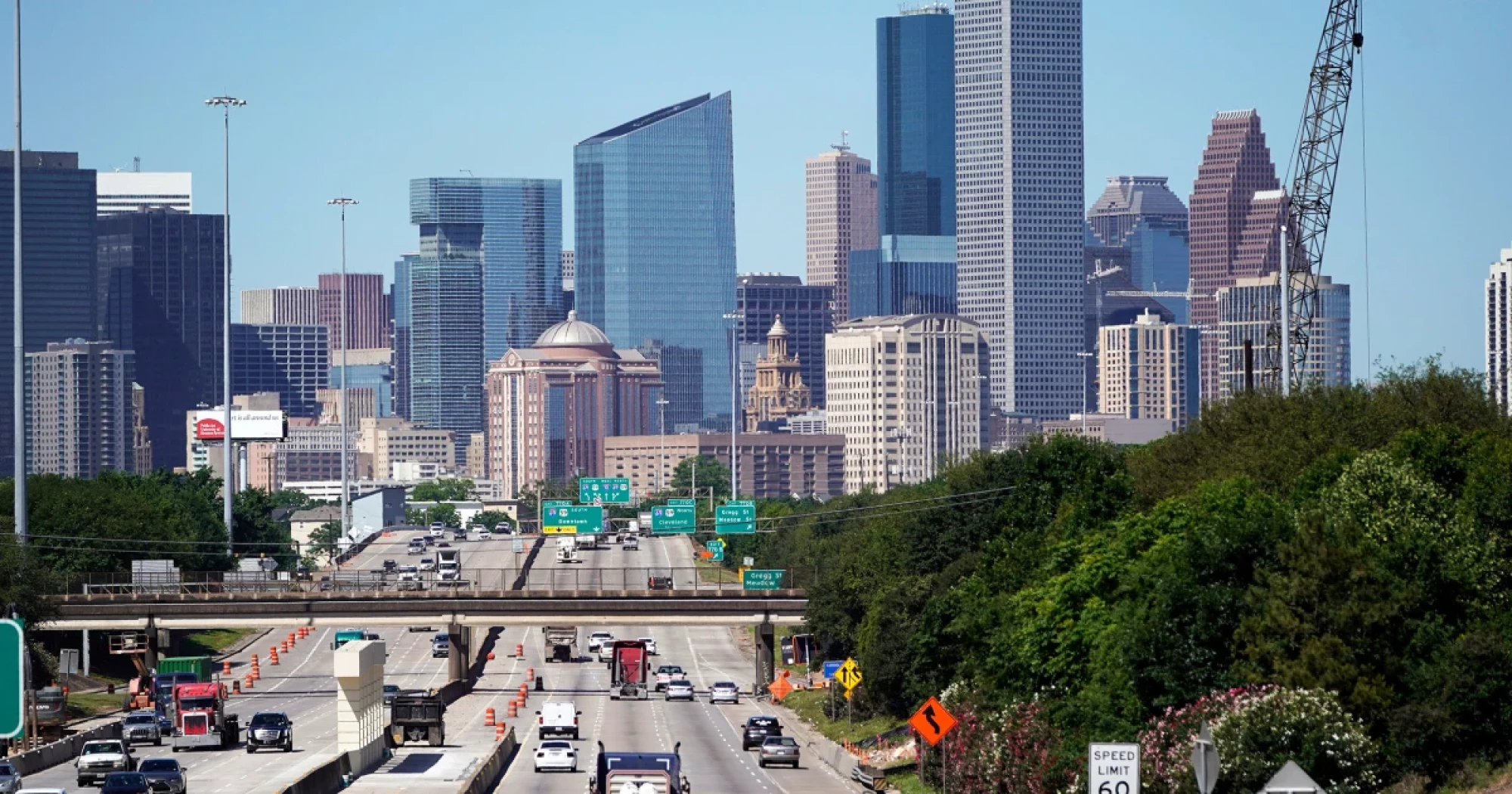
Growth rates in U.S. metro areas dropped the steepest in communities along the U.S.-Mexico border last year because of declines in immigrants while counties along Florida’s Gulf Coast lost residents due to a series of hurricanes, according to new population estimates released Thursday by the U.S.
Growth rates in U.S. metro areas dropped the steepest in communities along the U.S.-Mexico border last year because of declines in immigrants while counties along Florida’s Gulf Coast lost residents due to a series of hurricanes, according to new population estimates released Thursday by the U.S. Census Bureau.
The estimates showed that a majority of metro areas and counties had slower population gains last year, which the bureau attributed primarily to a slowdown in international migration, compared to the previous year when an influx of immigrants had helped urban areas recover from the COVID-19 pandemic a few years earlier.
The average growth rate for metro areas fell from 1.1% in 2024 to 0.6% in 2025.
The figures, covering one year through July 2025, reflect the initial months of President Donald Trump’s second term and the beginning of his administration’s immigration crackdown, With an aging America and birth rates in the U.S. declining over the past two decades, immigration has become an important source of growth in many communities.
“With so little natural increase, migration determines whether an area grows or declines, particularly in the big metro cores that have continuous domestic out-migration and are dependent on immigration,” said Kenneth Johnson, senior demographer at the University of New Hampshire.
Rating: 5