Aurangzeb's akhbarat: The empire that ran on news reports - and what they reveal about Mughal India - BBC News
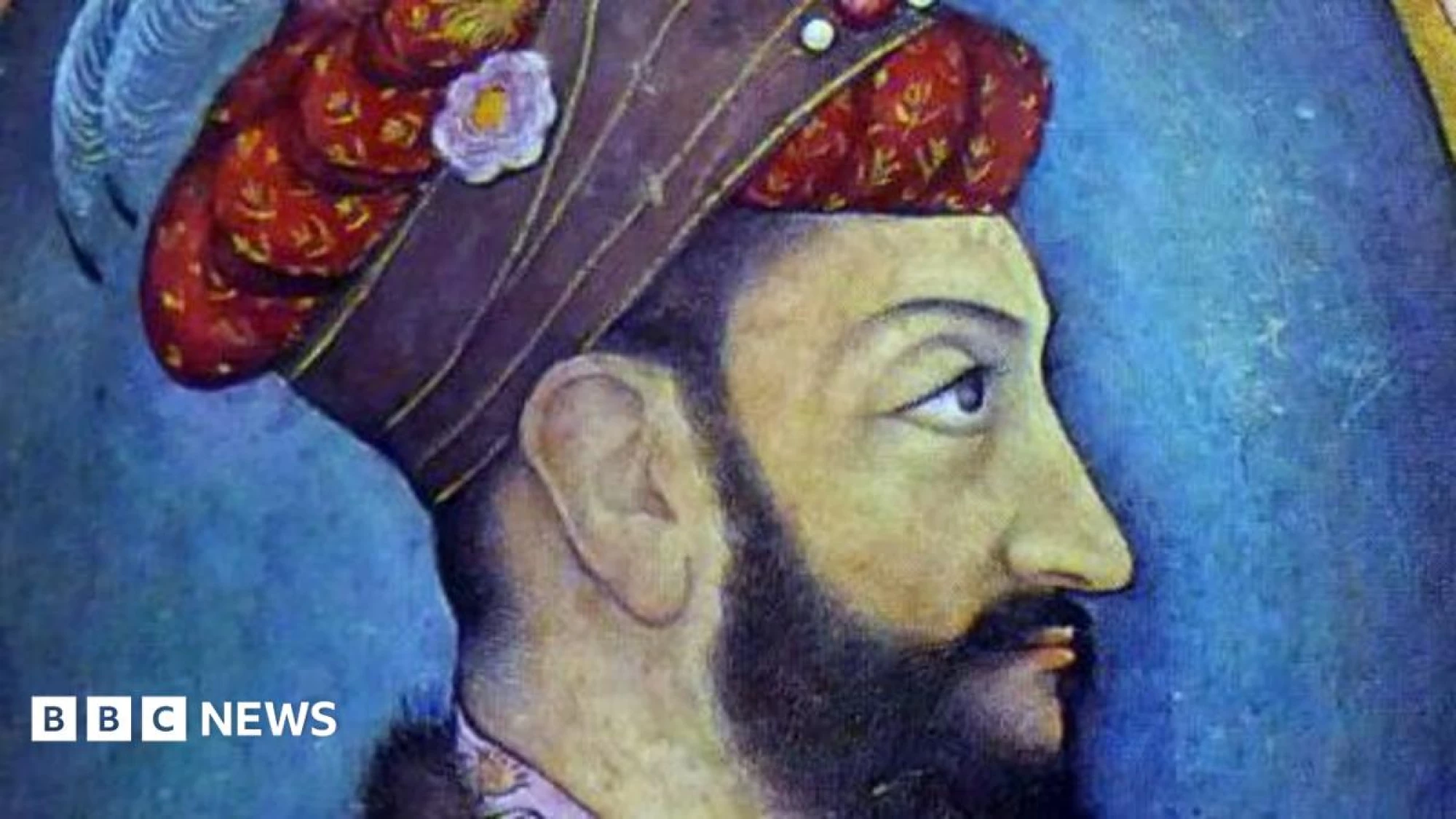
Thousands of forgotten news reports are reshaping our understanding of Aurangzeb and the Mughal world.
Image source, Heritage Images via Getty ImagesImage caption, Aurangzeb, carried on a palanquin in this 1775 painting, was the Mughal emperor whose reign remains among the most debated and controversial in Indian history
India correspondentPublished28 June 2026, 00:40 BSTWhile Europe was inventing newspapers, Mughal India had its own news network.
From the late 16th Century, armies of scribes, agents and secretaries compiled akhbarat - brief news reports on court intrigue, military campaigns, appointments, finances and gossip.
Written in Persian on brittle paper in hurried hands, they formed the Mughal empire's information network: part intelligence brief, part official circular, part news bulletin.
Hundreds, perhaps thousands, circulated daily between the imperial and provincial courts, helping knit together an empire that, at its peak, ruled much of the Indian subcontinent and nearly a quarter of the world's population. Many were read aloud before assembled officials, carrying news from the imperial court to distant corners of the empire.
https://www.bbc.co.uk/news/articles/c1dy5y3y2g3o?at_medium=RSS&at_campaign=rss
Rating: 5