The year's first meteor shower and supermoon clash in January skies
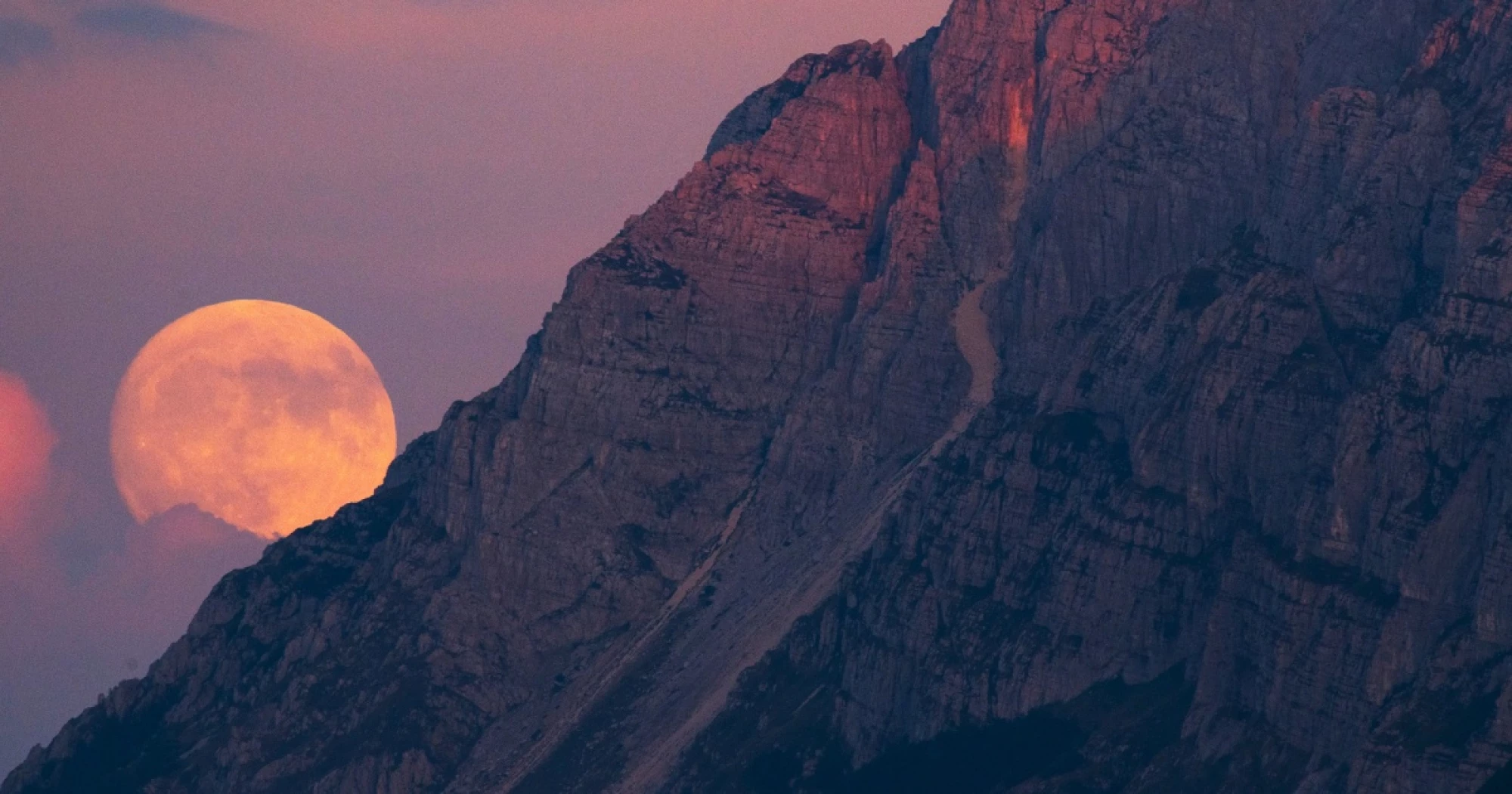
NEW YORK — The year’s first supermoon and meteor shower will sync up in January skies, but the light from one may dim the other
NEW YORK — The year’s first supermoon and meteor shower will sync up in January skies, but the light from one may dim the other.
The Quadrantid meteor shower peaks Friday night into Saturday morning, according to the American Meteor Society. In dark skies during the peak, skygazers typically see around 25 meteors per hour, but this time they’ll likely glimpse less than 10 per hour due to light from Saturday’s supermoon.
“The biggest enemy of enjoying a meteor shower is the full moon,” said Mike Shanahan, planetarium director at Liberty Science Center in New Jersey.
Meteor showers happen when speedy space rocks collide with Earth’s atmosphere, burning up and leaving fiery tails in their wake — the end of a “shooting star.” A handful of meteors are visible on any given night, but predictable showers appear annually when Earth passes through dense streams of cosmic debris.
Supermoons occur when a full moon is closer to Earth in its orbit. That makes it appear up to 14% bigger and 30% brighter than the faintest moon of the year, according to NASA. That difference can be tough to notice with the naked eye.
Rating: 5