Over a third of animals impacted in deep sea mining test - scientists
The findings contribute to a controversial debate that pits green technology against the environment.
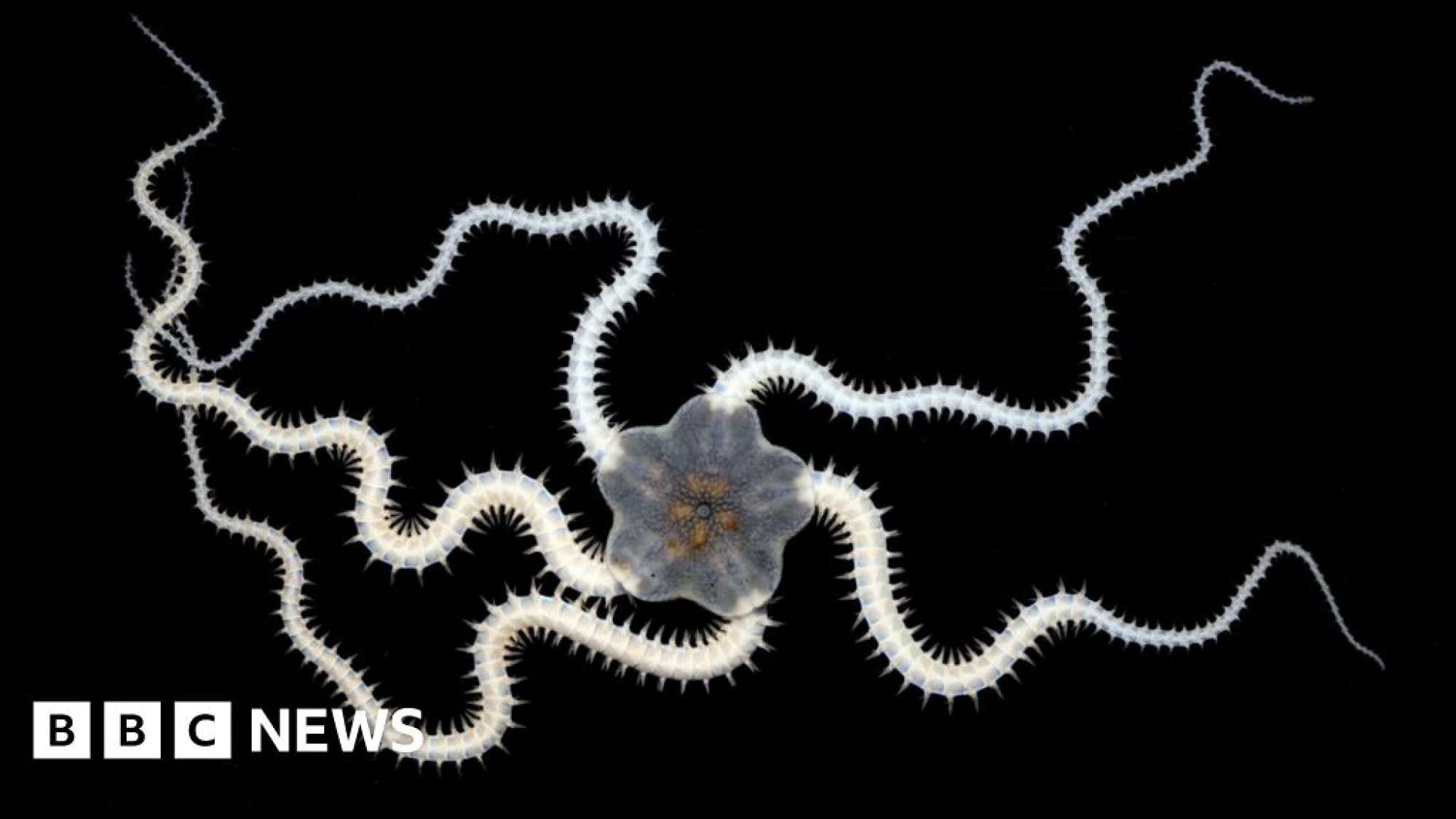
Watch LiveBritish Broadcasting CorporationHomeNewsSportBusinessInnovationCultureArtsTravelEarthAudioVideoLiveDocumentariesHomeNewsIsrael-Gaza WarWar in UkraineUS & CanadaUKUK PoliticsEnglandN. IrelandN. Ireland PoliticsScotlandScotland PoliticsWalesWales PoliticsAfricaAsiaChinaIndiaAustraliaEuropeLatin AmericaMiddle EastIn PicturesBBC InDepthBBC VerifySportBusinessExecutive LoungeTechnology of BusinessFuture of BusinessInnovationWatch DocumentariesTechnologyScience & HealthArtificial IntelligenceAI v the MindCultureWatch DocumentariesFilm & TVMusicArt & DesignStyleBooksEntertainment NewsArtsWatch DocumentariesArts in MotionTravelWatch DocumentariesDestinationsAfricaAntarcticaAsiaAustralia and PacificCaribbean & BermudaCentral AmericaEuropeMiddle EastNorth AmericaSouth AmericaWorld’s TableCulture & ExperiencesAdventuresThe SpeciaListEarthWatch DocumentariesNatural WondersWeather & ScienceClimate SolutionsSustainable BusinessGreen LivingAudioPodcast CategoriesRadioAudio FAQsVideoWatch DocumentariesBBC MaestroLiveLive NewsLive SportDocumentariesHomeNewsSportBusinessInnovationCultureArtsTravelEarthAudioVideoLiveDocumentariesWeatherNewslettersWatch LiveDeep-sea mining tests impact over a third of seabed animals - scientists7 hours agoShareSaveGeorgina RannardClimate and science correspondentShareSaveNatural History Museum/ University of GothenburgA brittlestar found on the seafloor of the Clarion-Clipperton ZoneMachines mining minerals in the deep ocean have been found to cause significant damage to life on the seabed, scientists carrying out the largest study of its kind say.
The number of animals found in the tracks of the vehicles was reduced by 37% compared to untouched areas, according to the scientists.
The researchers discovered more than 4,000 animals, 90% of which were new species, living on the seafloor in a remote area of the Pacific Ocean.
Vast amounts of critical minerals needed for green technologies could be locked in the deep ocean, but deep sea mining in international waters is very controversial and currently not permitted until more is known about the environmental impacts.
The research by scientists at the Natural History Museum in London, the UK National Oceanography Centre and the University of Gothenburg was conducted at the request of deep sea mining company The Metals Company.
https://www.bbc.com/news/articles/cedx2p8gnx9o?at_medium=RSS&at_campaign=rss
Rating: 5