How Russian-funded fake news network aims to disrupt European election - BBC investigation
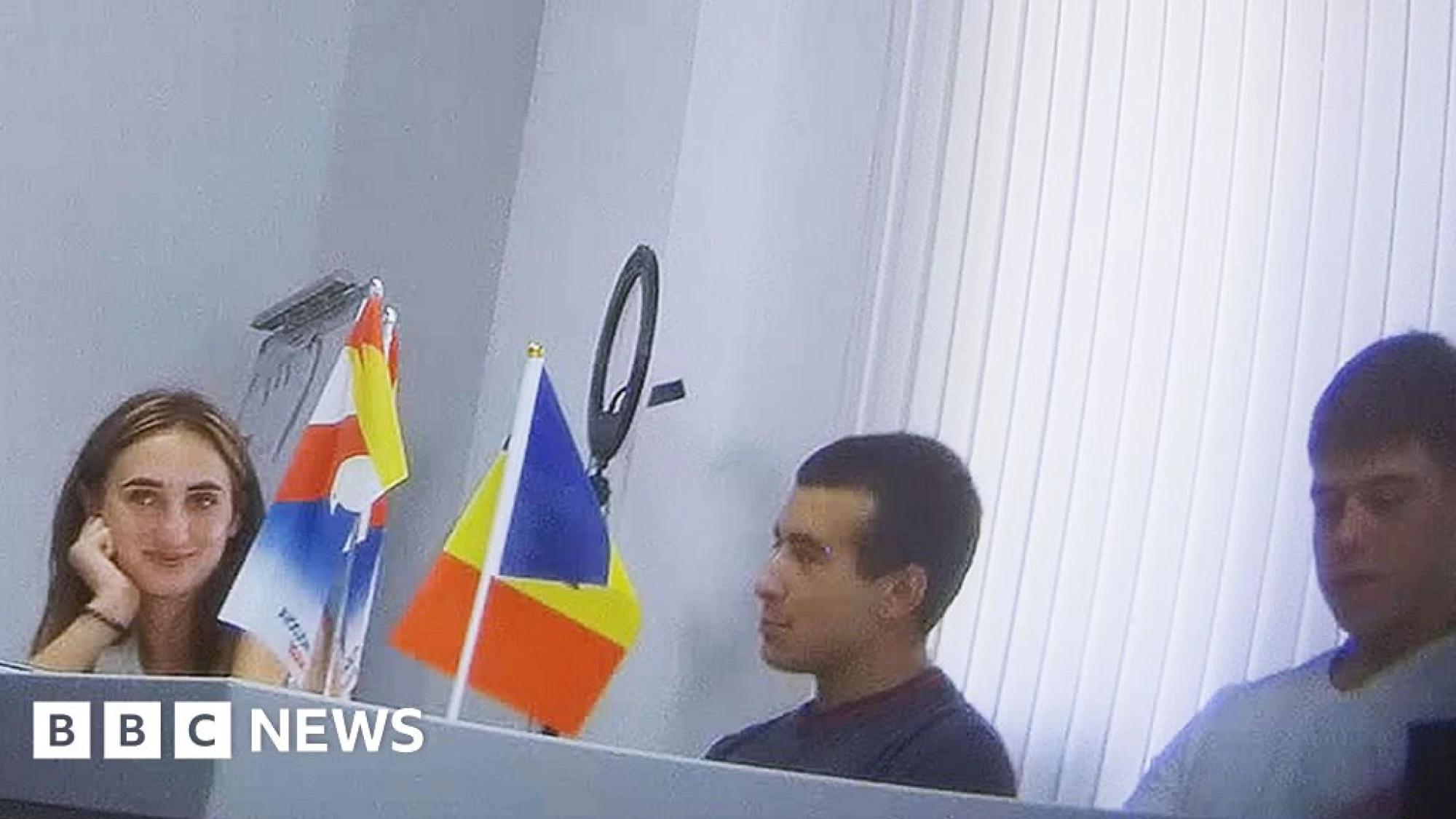
An undercover reporter discovers a network is offering to pay for social media posts undermining Moldova’s ruling party.
Watch LiveBritish Broadcasting CorporationHomeNewsSportBusinessInnovationCultureArtsTravelEarthAudioVideoLiveHomeNewsIsrael-Gaza WarWar in UkraineUS & CanadaUKUK PoliticsEnglandN. IrelandN. Ireland PoliticsScotlandScotland PoliticsWalesWales PoliticsAfricaAsiaChinaIndiaAustraliaEuropeLatin AmericaMiddle EastIn PicturesBBC InDepthBBC VerifySportBusinessExecutive LoungeTechnology of BusinessFuture of BusinessInnovationTechnologyScience & HealthArtificial IntelligenceAI v the MindCultureFilm & TVMusicArt & DesignStyleBooksEntertainment NewsArtsArts in MotionTravelDestinationsAfricaAntarcticaAsiaAustralia and PacificCaribbean & BermudaCentral AmericaEuropeMiddle EastNorth AmericaSouth AmericaWorld’s TableCulture & ExperiencesAdventuresThe SpeciaListTo the Ends of The Earth EarthNatural WondersWeather & ScienceClimate SolutionsSustainable BusinessGreen LivingAudioPodcast CategoriesRadioAudio FAQsVideoLiveLive NewsLive SportHomeNewsSportBusinessInnovationCultureArtsTravelEarthAudioVideoLiveWeatherNewslettersWatch LiveHow Russian-funded fake news network aims to disrupt election in Europe - BBC investigation3 days agoShareSaveOana Marocico & Seamus MirodanBBC Eye Investigations andRowan IngsBBC Global Disinformation UnitShareSaveBBCNetwork co-ordinator Alina Juk (left), captured by our undercover filming, listens to instructions about the disinformation campaign A secret Russian-funded network is attempting to disrupt upcoming democratic elections in an eastern European state, the BBC has found.
Using an undercover reporter, we discovered the network promised to pay participants if they posted pro-Russian propaganda and fake news undermining Moldova's pro-EU ruling party ahead of the country's 28 September parliamentary ballot.
Participants were paid to find supporters of Moldova's pro-Russia opposition to secretly record - and also to carry out a so-called poll. This was done in the name of a non-existent organisation, making it illegal. The results of this selective sampling, an organiser from the network suggested, could lay the groundwork to question the outcome of the election.
The results of the so-called poll, suggesting the ruling party will lose, have already been published online.
In fact, official polls suggest the ruling Party of Action and Solidarity (PAS) founded by President Maia Sandu is currently ahead of the pro-Russian Patriotic Electoral Bloc (BEP).
https://www.bbc.com/news/articles/c4g5kl0n5d2o?at_medium=RSS&at_campaign=rss
Rating: 5