In China, a rush to 'raise lobsters' quickly leads to second thoughts
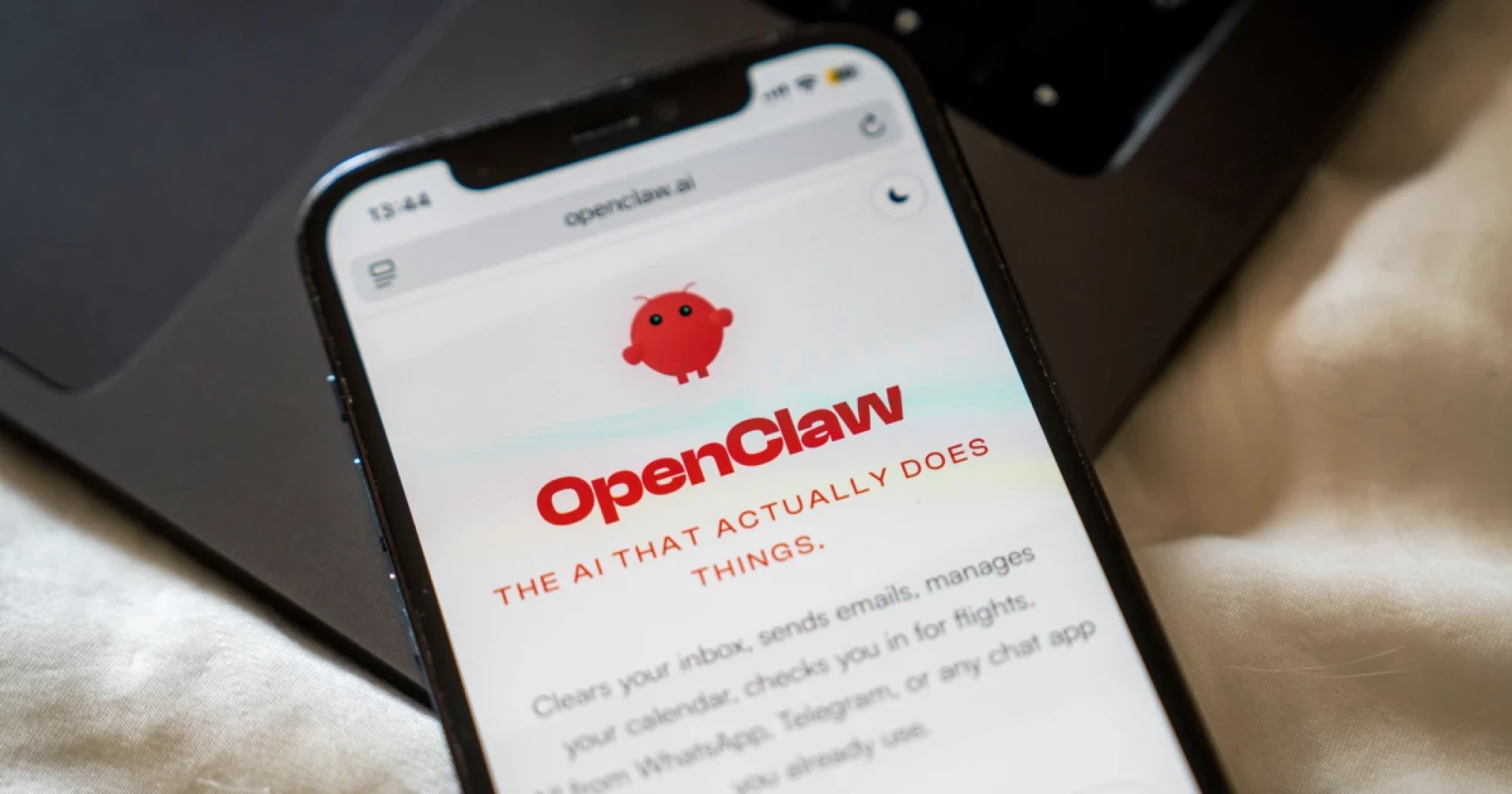
OpenClaw, a highly autonomous open-source AI agent, is especially popular in China, but security concerns have both users and the government seeking to rein it in.
HONG KONG — Finding a job in China’s slowing economy these days often feels like a full-time job itself. But Hu Qiyun has his “lobster” to help.
Since Hu installed OpenClaw, the open-source AI agent has memorized his resume and scours the web each day for any newly posted jobs in software engineering, helping him apply for openings, prepare for interviews and track updates to his application status.
“I treat OpenClaw as my personal assistant,” said Hu, 24, who is based in Shanghai. “It saves me at least three hours each day.”
While most of today’s AI systems require users to write detailed instructions or prompts for every desired action, OpenClaw can be authorized to perform tasks on users’ behalf with little oversight, including sorting and responding to emails, writing reports and making restaurant reservations. Jensen Huang, chief executive of the American tech company Nvidia, has called it “the next ChatGPT,” telling CNBC last week that it is “the most successful open-sourced project in the history of humanity.”
Created by Austrian programmer Peter Steinberger, OpenClaw has taken the world by storm since being released in November — especially in China, where generative AI has been widely adopted with government support as Beijing vies with Washington for global dominance in the strategically vital technology.
https://www.nbcnews.com/world/asia/china-openclaw-ai-agent-frenzy-rcna263636
Rating: 5