As millions of Americans prepare to lose SNAP benefits, some states are moving to bridge the gap
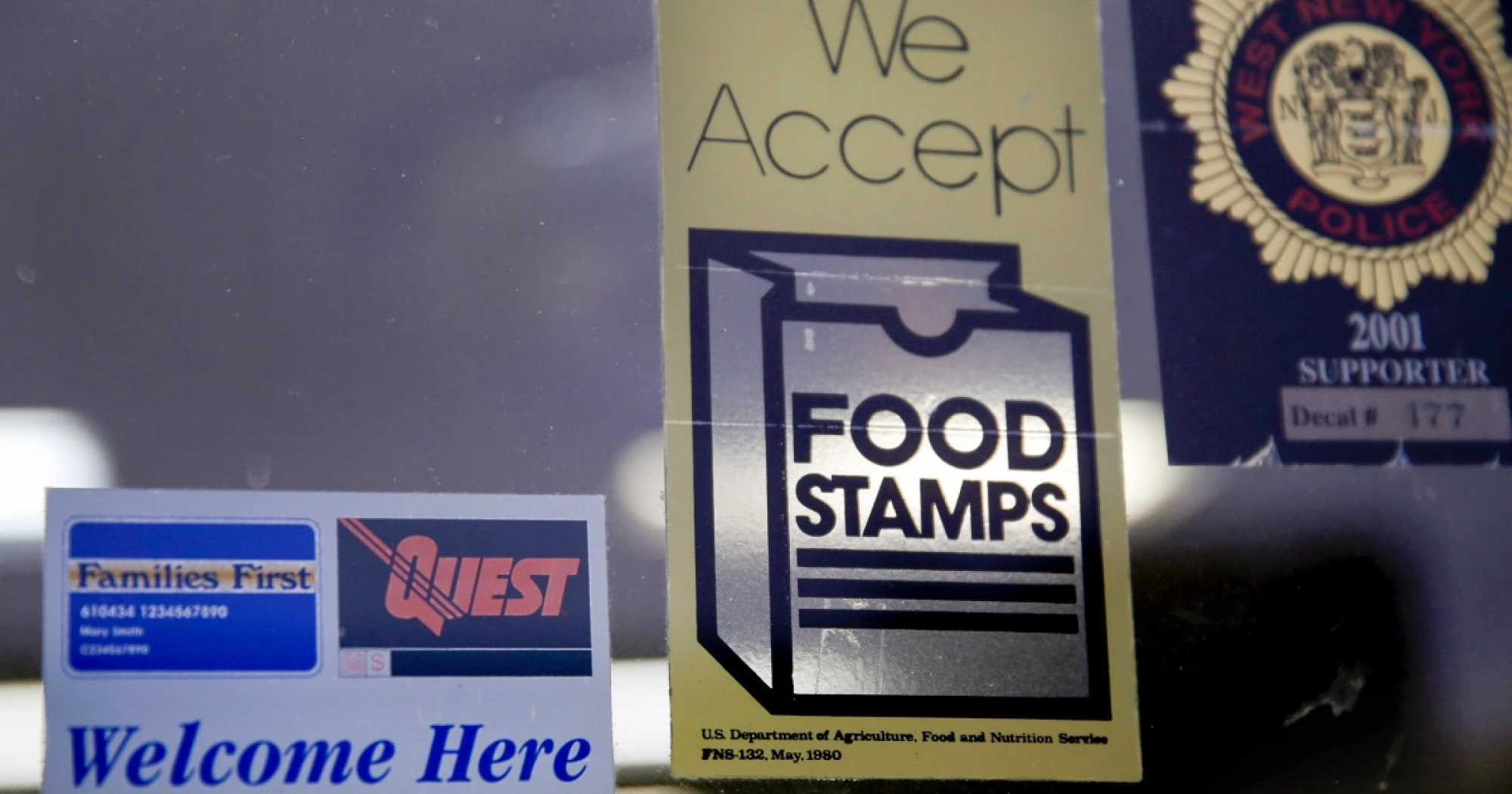
WASHINGTON — With just days to go before millions of low-income Americans are expected to see a pause in federal food assistance, state governments are trying to find ways to fill the void
WASHINGTON — With just days to go before millions of low-income Americans are expected to see a pause in federal food assistance, state governments are trying to find ways to fill the void.
The Supplemental Nutrition Assistance Program — more commonly known as SNAP, or food stamps — is a key benefits program that serves more than 40 million people across the country. Now, the shutdown is threatening to suspend benefits, raising concerns over where millions of people who rely on the program will turn to for food.
The Agriculture Department said last week, in a message on its website, that payments would not be issued on Nov. 1, the first time in recent history that the program has been suspended because of a shutdown. The department also said in a memo that contingency funds "are not legally available to cover regular benefits," a move that several Democratic governors have urged the administration to pursue.
Reached for comment on the future of SNAP, a Department of Agriculture spokesperson said, "We are approaching an inflection point for Senate Democrats."
"Continue to hold out for healthcare for illegals or reopen the government so mothers, babies, and the most vulnerable among us can receive timely WIC and SNAP allotments," the spokesperson continued, referring to a supplemental nutrition program for women, infants and children.
Rating: 5