H5N1: Indian scientists predict how bird flu could spread to humans
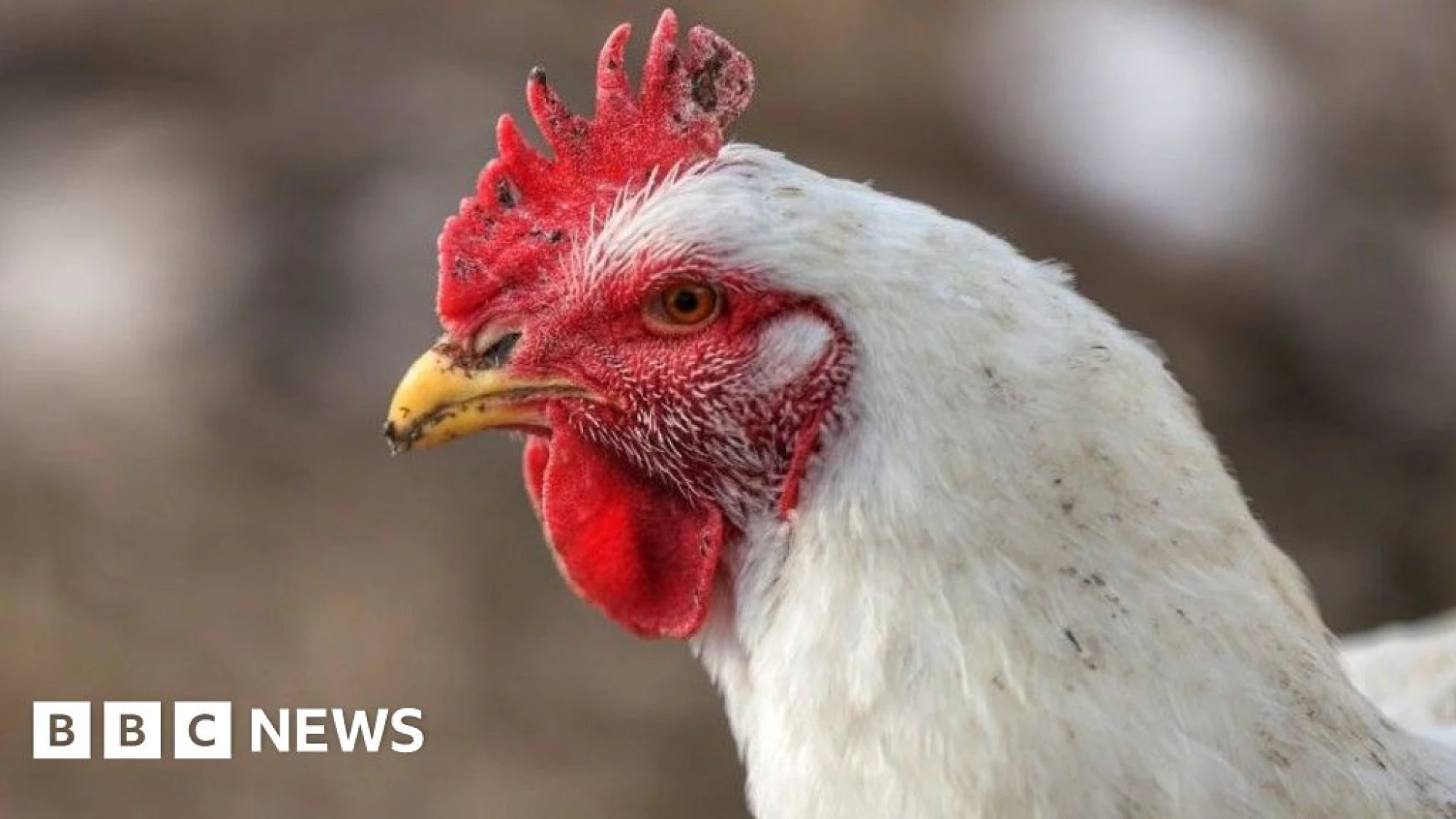
Scientists have warned H5N1 bird flu could make a dangerous leap to humans, triggering a global health crisis.
Watch LiveBritish Broadcasting CorporationHomeNewsSportBusinessInnovationCultureArtsTravelEarthAudioVideoLiveDocumentariesHomeNewsIsrael-Gaza WarWar in UkraineUS & CanadaUKUK PoliticsEnglandN. IrelandN. Ireland PoliticsScotlandScotland PoliticsWalesWales PoliticsAfricaAsiaChinaIndiaAustraliaEuropeLatin AmericaMiddle EastIn PicturesBBC InDepthBBC VerifySportBusinessExecutive LoungeTechnology of BusinessFuture of BusinessInnovationWatch DocumentariesTechnologyScience & HealthArtificial IntelligenceAI v the MindCultureWatch DocumentariesFilm & TVMusicArt & DesignStyleBooksEntertainment NewsArtsWatch DocumentariesArts in MotionTravelWatch DocumentariesDestinationsAfricaAntarcticaAsiaAustralia and PacificCaribbean & BermudaCentral AmericaEuropeMiddle EastNorth AmericaSouth AmericaWorld’s TableCulture & ExperiencesAdventuresThe SpeciaListEarthWatch DocumentariesNatural WondersWeather & ScienceClimate SolutionsSustainable BusinessGreen LivingAudioPodcast CategoriesRadioAudio FAQsVideoWatch DocumentariesBBC MaestroLiveLive NewsLive SportDocumentariesHomeNewsSportBusinessInnovationCultureArtsTravelEarthAudioVideoLiveDocumentariesWeatherNewslettersWatch LiveIndian scientists predict how bird flu could spread to humans2 days agoShareSaveSoutik BiswasIndia correspondentShareSaveTribune News Service via Getty ImagesMore than two million turkeys have been culled in the US since late August due to avian fluFor years, scientists have warned that bird flu - better known as H5N1 - could one day make the dangerous leap from birds to humans and trigger a global health crisis.
Avian flu - a type of influenza - is entrenched across South and South-East Asia and has occasionally infected humans since emerging in China in the late 1990s. From 2003 to August 2025, the World Health Organization (WHO) has reported 990 human H5N1 cases across 25 countries, including 475 deaths - a 48% fatality rate.
In the US alone, the virus has struck more than 180 million birds, spread to over 1,000 dairy herds in 18 states, and infected at least 70 people - mostly farmworkers - causing several hospitalisations and one death. In January, three tigers and a leopard died at a wildlife rescue centre in India's Nagpur city from the virus that typically infects birds.
Symptoms in humans mimic a severe flu: high fever, cough, sore throat, muscle aches and, at times, conjunctivitis. Some people have no symptoms at all. The risk to humans remains low, but authorities are watching H5N1 closely for any shift that could make it spread more easily.
That concern is what prompted new peer-reviewed modelling by Indian researchers Philip Cherian and Gautam Menon of Ashoka University, which simulates how an H5N1 outbreak might unfold in humans and what early interventions could stop it before it spreads.
https://www.bbc.com/news/articles/cgl66ez489po?at_medium=RSS&at_campaign=rss
Rating: 5