Brain-eating amoeba cases in Kerala: How an Indian state is battling a rare disease
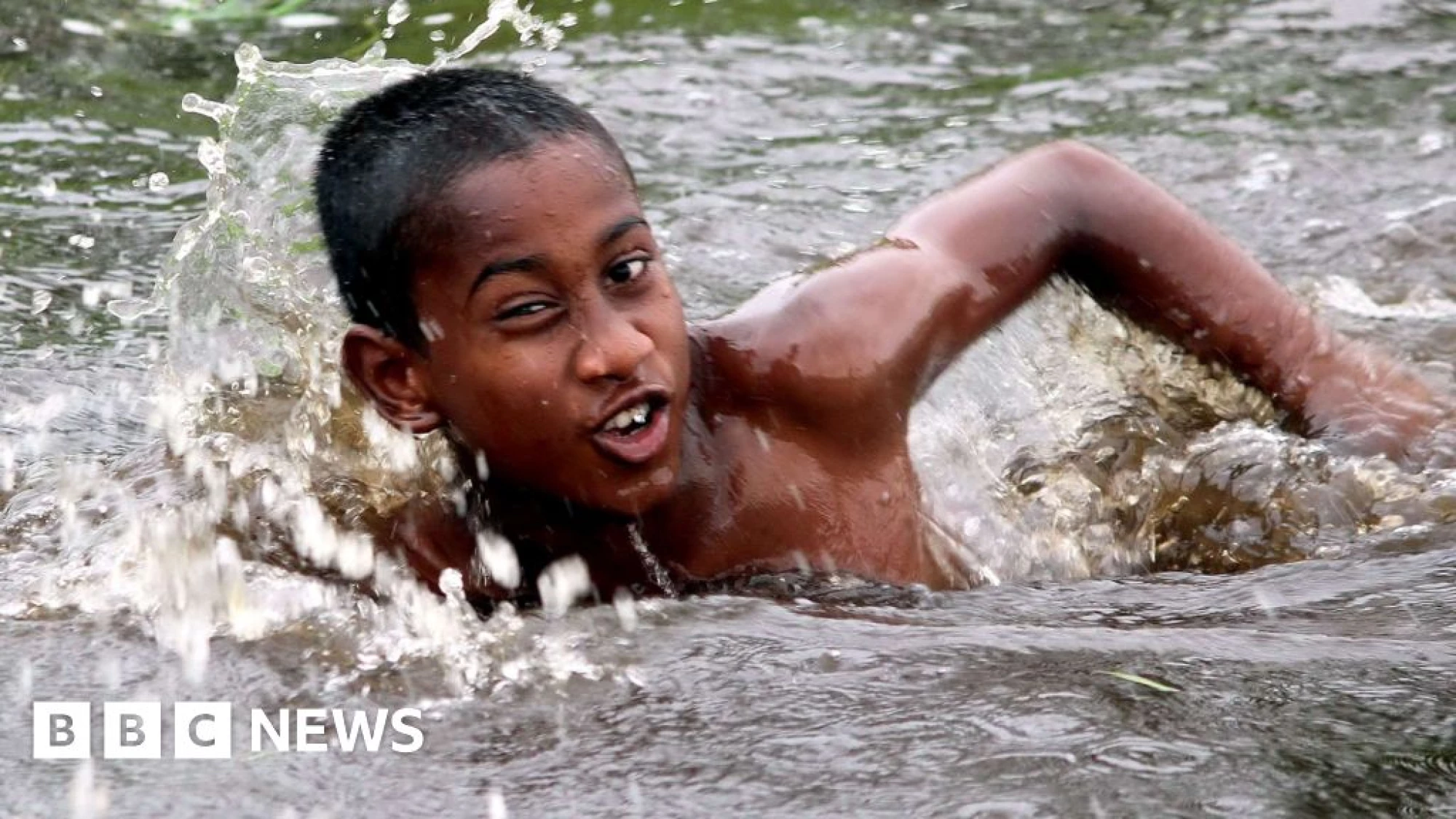
In Kerala this year, more than 70 people have been diagnosed and 19 have died from the brain-eating amoeba.
Watch LiveBritish Broadcasting CorporationHomeNewsSportBusinessInnovationCultureArtsTravelEarthAudioVideoLiveHomeNewsIsrael-Gaza WarWar in UkraineUS & CanadaUKUK PoliticsEnglandN. IrelandN. Ireland PoliticsScotlandScotland PoliticsWalesWales PoliticsAfricaAsiaChinaIndiaAustraliaEuropeLatin AmericaMiddle EastIn PicturesBBC InDepthBBC VerifySportBusinessExecutive LoungeTechnology of BusinessFuture of BusinessInnovationTechnologyScience & HealthArtificial IntelligenceAI v the MindCultureFilm & TVMusicArt & DesignStyleBooksEntertainment NewsArtsArts in MotionTravelDestinationsAfricaAntarcticaAsiaAustralia and PacificCaribbean & BermudaCentral AmericaEuropeMiddle EastNorth AmericaSouth AmericaWorld’s TableCulture & ExperiencesAdventuresThe SpeciaListTo the Ends of The Earth EarthNatural WondersWeather & ScienceClimate SolutionsSustainable BusinessGreen LivingAudioPodcast CategoriesRadioAudio FAQsVideoLiveLive NewsLive SportHomeNewsSportBusinessInnovationCultureArtsTravelEarthAudioVideoLiveWeatherNewslettersWatch LiveBattling a rare brain-eating disease in an Indian state2 days agoShareSaveSoutik BiswasIndia correspondentShareSaveVivek R NairThis single-celled brain-eating amoeba can enter the nose during swimmingOn the eve of Onam, the most joyous festival in India's Kerala state, 45-year-old Sobhana lay shivering in the back of an ambulance, drifting into unconsciousness as her family rushed her to a medical college hospital.
Just days earlier, the Dalit (formerly known as untouchables) woman, who earned her living bottling fruit juices in a village in Malappuram district, had complained of nothing more alarming than dizziness and high blood pressure. Doctors prescribed pills and sent her home. But her condition spiralled with terrifying speed: uneasiness gave way to fever, fever to violent shivers, and on 5 September - the main day of the festival - Sobhana was dead.
The culprit was Naegleria fowleri - commonly known as the brain-eating amoeba - an infection usually contracted through the nose in freshwater and so rare that most doctors never encounter a case in their entire careers. "We were powerless to stop it. We learnt about the disease only after Sobhana's death," says Ajitha Kathiradath, a cousin of the victim and a prominent social worker.
In Kerala this year, more than 70 people have been diagnosed and 19 have died from the brain-eating amoeba. Patients have ranged from a three-month-old to a 92-year-old man.
Normally feeding on bacteria in warm freshwater, this single-cell organism causes a near-fatal brain infection, known as primary amoebic meningoencephalitis (PAM). It enters through the nose during swimming and rapidly destroys brain tissue.
https://www.bbc.com/news/articles/c79ven0xxyqo?at_medium=RSS&at_campaign=rss
Rating: 5