Baseball's .300 hitter has nearly gone extinct
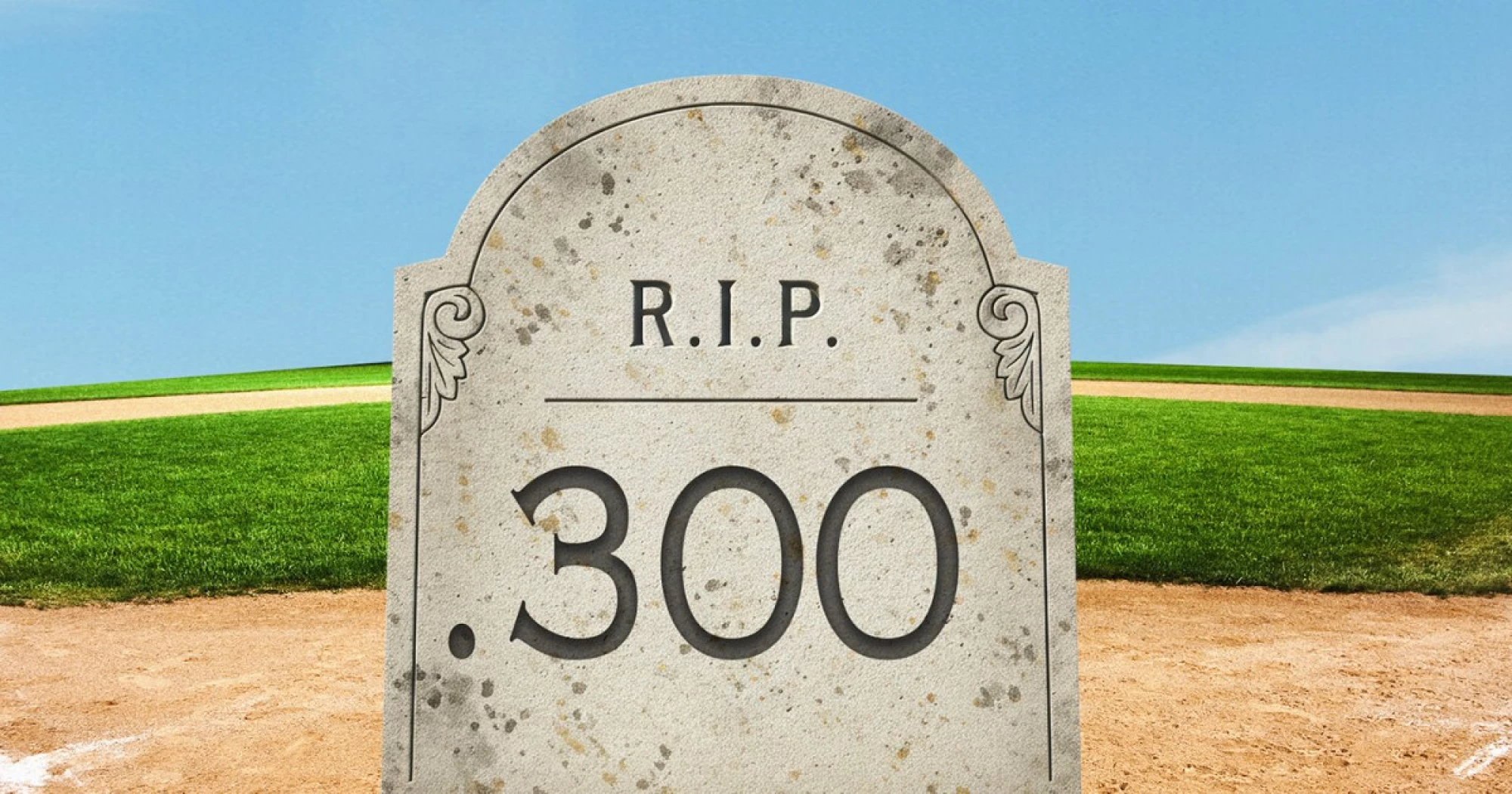
What happened to the hitter with the .300 batting average in baseball? Fewer and fewer are doing it every year. Why? Blame pitchers — and technology.
Before he stepped into the batter’s box in Detroit for his last at-bat on the final day of the 2000 Major League Baseball season, Minnesota Twins infielder Denny Hocking had done the math.
All spring and summer, Hocking’s batting average had hovered above or just below the magical mark of .300, an average he had never reached in his seven previous big-league seasons. It wasn’t some obscure statistic. Baseball is defined by numbers, yet few have resonated quite like the challenge of getting three base hits out of every 10 at-bats.
“From the time baseball began, a .300 average has been the benchmark by which a player’s success at the plate has been judged,” Charley Lau, a longtime MLB hitting coach, wrote in his 1980 book, “The Art of Hitting .300.” It was, Lau said, “the traditionally accepted mark of excellence," so much so that longtime New York Yankees great Don Mattingly wrote a book about hitting .300, too.
In the film “Bull Durham,” the character played by Kevin Costner refers to hitting .300 as the type of feat that could lift a player out of the minor leagues and into Yankee Stadium. Averaging .300 for your career can lift you into the Hall of Fame, in fact; the career average for every enshrined hitter is .303.
And .300 was on Hocking's mind as he entered Oct. 1, 2000, with a .296 average. By the time he stepped to the plate in the top of the ninth inning, he had 111 hits in 372 at-bats and understood that with one more hit, he’d join the 53 other big-leaguers that season who hit .300 or better.
https://www.nbcnews.com/sports/baseball/mlb-playoffs-300-hitter-rcna234966
Rating: 5