Great Barrier Reef faces 'grim future' but can recover if global warming stays below 2C
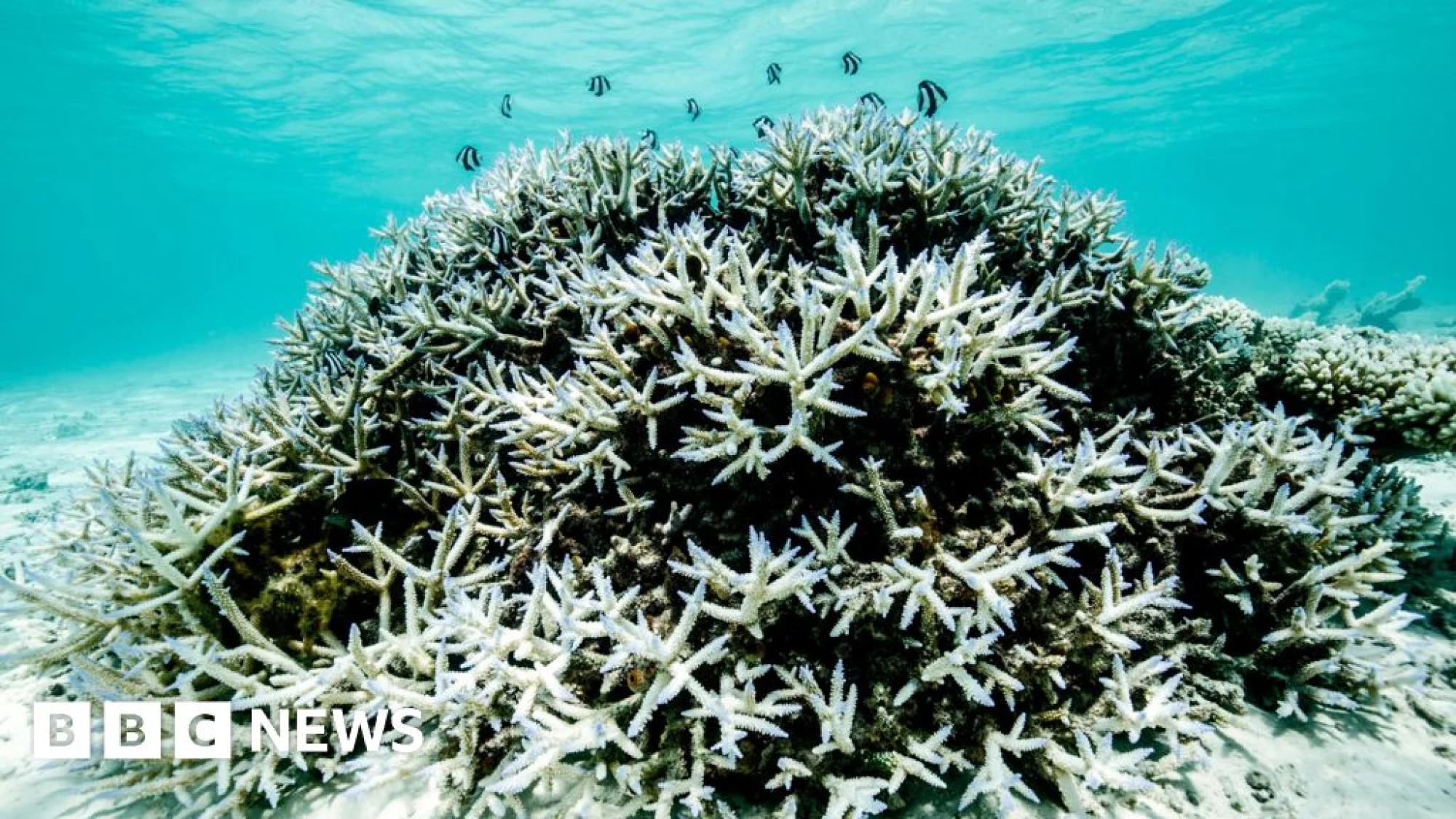
A new study has found certain corals are more resilient in warmer waters, giving hope to the world-famous reef.
Watch LiveBritish Broadcasting CorporationHomeNewsSportBusinessInnovationCultureArtsTravelEarthAudioVideoLiveDocumentariesHomeNewsIsrael-Gaza WarWar in UkraineUS & CanadaUKUK PoliticsEnglandN. IrelandN. Ireland PoliticsScotlandScotland PoliticsWalesWales PoliticsAfricaAsiaChinaIndiaAustraliaEuropeLatin AmericaMiddle EastIn PicturesBBC InDepthBBC VerifySportBusinessExecutive LoungeTechnology of BusinessFuture of BusinessInnovationTechnologyScience & HealthArtificial IntelligenceAI v the MindCultureFilm & TVMusicArt & DesignStyleBooksEntertainment NewsArtsArts in MotionTravelDestinationsAfricaAntarcticaAsiaAustralia and PacificCaribbean & BermudaCentral AmericaEuropeMiddle EastNorth AmericaSouth AmericaWorld’s TableCulture & ExperiencesAdventuresThe SpeciaListTo the Ends of The Earth EarthNatural WondersWeather & ScienceClimate SolutionsSustainable BusinessGreen LivingAudioPodcast CategoriesRadioAudio FAQsVideoBBC MaestroLiveLive NewsLive SportDocumentariesHomeNewsSportBusinessInnovationCultureArtsTravelEarthAudioVideoLiveDocumentariesWeatherNewslettersWatch LiveGreat Barrier Reef may partially recover from 'grim future' if global warming stays below 2C13 hours agoShareSaveLana LamSydneyShareSavePeter MumbyThe Great Barrier Reef has suffered mass bleaching events in recent yearsThe Great Barrier Reef is headed for a "grim future" and will suffer a "rapid coral decline" by 2050 but parts may recover if global warming is kept below 2C, a new study has found.
Researchers at the University of Queensland (UQ) used modelling to simulate the lifecycles of certain coral species and found that some were better at adapting to warmer oceans and could help new coral grow.
Reefs near cooler-water currents were also more resilient, giving a "glimmer of hope" to the natural wonder, which has suffered severe climate-induced heat stress in recent years.
The study warned that curbing carbon emissions was crucial to allow coral to recover and avoid a "near collapse" of the reef.
Dr Yves-Marie Bozec, who led the research, said the modelling of more than 3,800 individual reefs that make up the Great Barrier Reef looked at their "eco-evolutionary dynamics". This included how corals interact with each other, how they deal with warmer water and corals in naturally cooler areas.
https://www.bbc.com/news/articles/cx274lj661lo?at_medium=RSS&at_campaign=rss
Rating: 5