Dabbawalas: The men who fed Mumbai - and are slowly disappearing
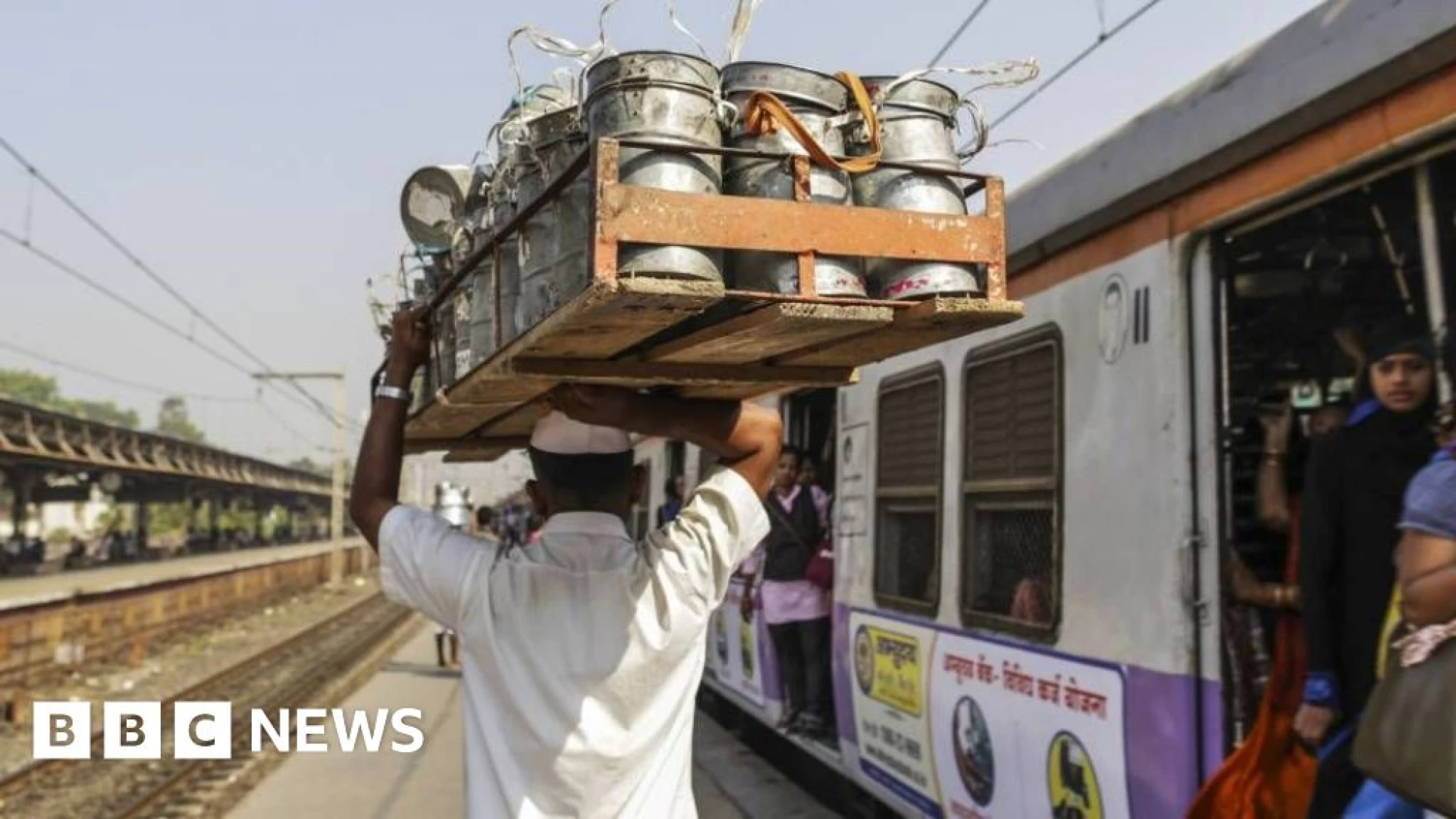
Dabbawalas, who deliver home-cooked meals, are leaving the trade as remote work and rising costs threaten their future.
Watch LiveBritish Broadcasting CorporationHomeNewsSportBusinessTechnologyHealthCultureArtsTravelEarthAudioVideoLiveDocumentariesHomeNewsUS & CanadaUKUK PoliticsEnglandN. IrelandN. Ireland PoliticsScotlandScotland PoliticsWalesWales PoliticsAfricaAsiaChinaIndiaAustraliaEuropeLatin AmericaMiddle EastIn PicturesBBC InDepthBBC VerifySportBusinessWorld of BusinessTechnology of BusinessNYSE Opening BellTechnologyWatch DocumentariesArtificial IntelligenceIntelligence RevolutionAI v the MindTech NowHealthWatch DocumentariesCultureWatch DocumentariesFilm & TVMusicArt & DesignStyleBooksEntertainment NewsArtsWatch DocumentariesArts in MotionTravelWatch DocumentariesDestinationsAfricaAntarcticaAsiaAustralia and PacificCaribbean & BermudaCentral AmericaEuropeMiddle EastNorth AmericaSouth AmericaWorld’s TableCulture & ExperiencesAdventuresThe SpeciaListEarthWatch DocumentariesScienceNatural WondersClimate SolutionsSustainable BusinessGreen LivingAudioPodcast CategoriesRadioAudio FAQsVideoWatch DocumentariesBBC MaestroDiscover the WorldLiveLive NewsLive SportDocumentariesSite searchHomeNewsSportBusinessTechnologyHealthCultureArtsTravelEarthAudioVideoLiveDocumentariesWeatherNewslettersWatch LiveMumbai's famed dabbawalas fed millions for over 100 years - now they are disappearing16 hours agoShareSaveAdd as preferred on GoogleNilesh Dhotre & Shahid SheikhBBC MarathiBloomberg via Getty ImagesThe number of registered dabbawalas has fallen from around 4,500 in 2018 to roughly 1,500 todayEvery morning, before the city has fully woken up, men in white caps and shirts arrive at Mumbai's suburban railway stations on bicycles stacked high with lunchboxes.
They load these boxes onto trains, cross the city and then spread out on foot and bikes to deliver hot, home-cooked meals to office workers.
After a short break, they do it all in reverse - collecting the empty boxes and returning them to the kitchens they came from by mid-afternoon.
These men are called dabbawalas and for more than a century they have kept Mumbai fed through a delivery system so precise it became world famous.
The lunchboxes - called dabbas - usually carry rice, lentils, vegetable curries, rotis (flatbread) and sometimes meat that is freshly cooked in homes across the city's suburbs.
https://www.bbc.com/news/articles/c202d0l92weo?at_medium=RSS&at_campaign=rss
Rating: 5