Namibia loses bid to overturn ban on rhino horn trade at Cites conference in Samarkand
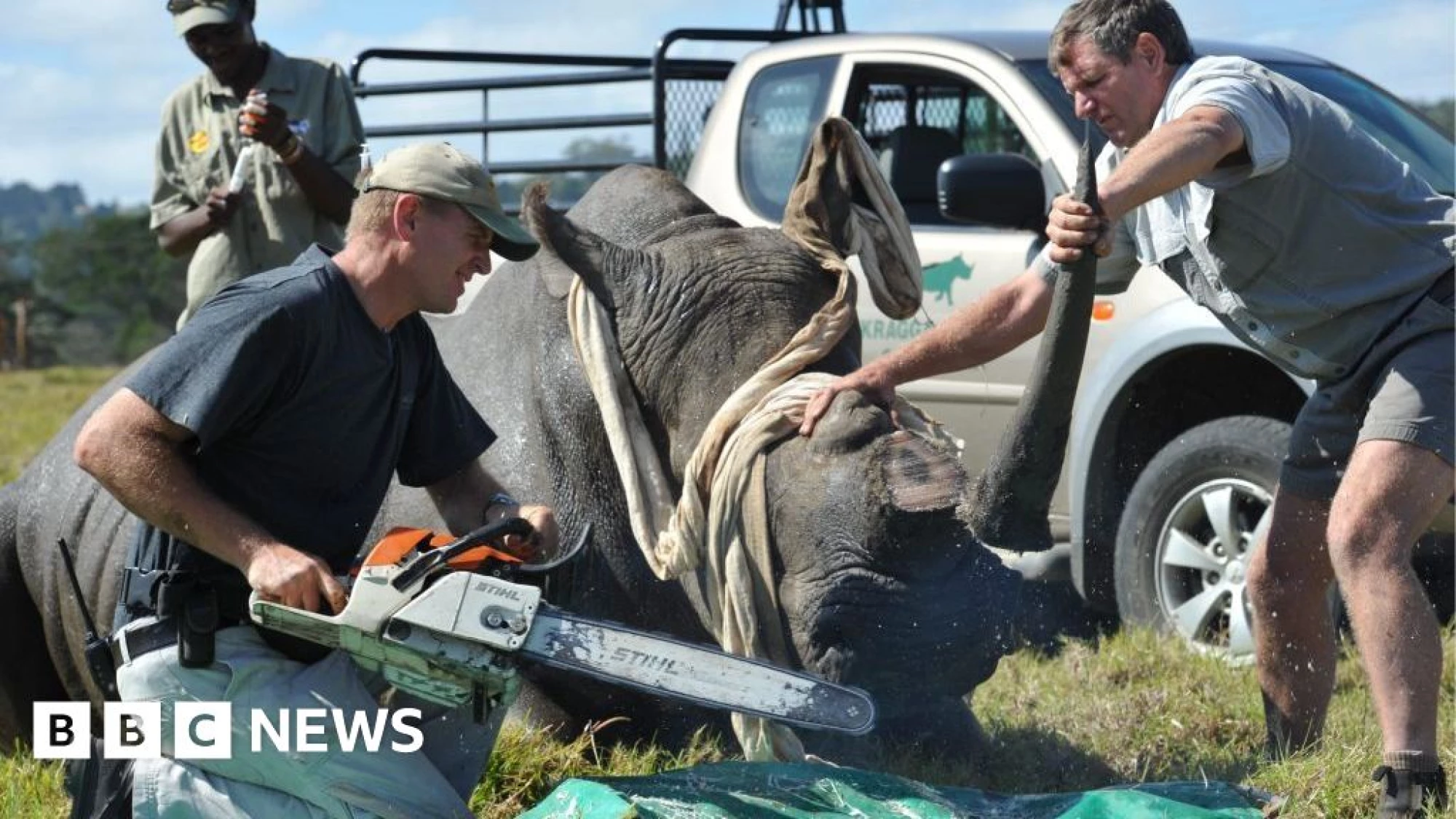
Namibia has built up large stockpiles of rhino horn after pioneering the practice of cutting them off to deter poachers.
Watch LiveBritish Broadcasting CorporationHomeNewsSportBusinessInnovationCultureArtsTravelEarthAudioVideoLiveDocumentariesHomeNewsIsrael-Gaza WarWar in UkraineUS & CanadaUKUK PoliticsEnglandN. IrelandN. Ireland PoliticsScotlandScotland PoliticsWalesWales PoliticsAfricaAsiaChinaIndiaAustraliaEuropeLatin AmericaMiddle EastIn PicturesBBC InDepthBBC VerifySportBusinessExecutive LoungeTechnology of BusinessFuture of BusinessInnovationWatch DocumentariesTechnologyScience & HealthArtificial IntelligenceAI v the MindCultureWatch DocumentariesFilm & TVMusicArt & DesignStyleBooksEntertainment NewsArtsWatch DocumentariesArts in MotionTravelWatch DocumentariesDestinationsAfricaAntarcticaAsiaAustralia and PacificCaribbean & BermudaCentral AmericaEuropeMiddle EastNorth AmericaSouth AmericaWorld’s TableCulture & ExperiencesAdventuresThe SpeciaListEarthWatch DocumentariesNatural WondersWeather & ScienceClimate SolutionsSustainable BusinessGreen LivingAudioPodcast CategoriesRadioAudio FAQsVideoWatch DocumentariesBBC MaestroLiveLive NewsLive SportDocumentariesHomeNewsSportBusinessInnovationCultureArtsTravelEarthAudioVideoLiveDocumentariesWeatherNewslettersWatch LiveNamibia loses bid to overturn ban on rhino horn trade1 day agoShareSaveNavin Singh KhadkaEnvironment correspondent, BBC World ServiceShareSaveGetty ImagesNamibia pioneered dehorning of rhinos to deal with their poaching Namibia's proposals to lift the ban on the international trade in black and white rhino horns have been rejected at a key conservation meeting.
The result of the voting at the Convention on International Trade in Endangered Species of Wild Fauna and Flora (Cites) earlier this week was adopted by the conference on Thursday in Samarkand, Uzbekistan.
Namibia had also proposed overturning the ban on African savanna elephant ivory - this too was defeated.
Eyebrows were raised about the rhino horn trade proposals mainly because Namibia pioneered the practice of cutting the horns off rhinos in 1989 so they no longer have value for poachers.
Dehorning was followed by other southern African countries, such as Zimbabwe, Eswatini and South Africa.
https://www.bbc.com/news/articles/c30j7q6qjp9o?at_medium=RSS&at_campaign=rss
Rating: 5