Iran retaliation is forcing Gulf nations into a stark decision: whether to join the fight
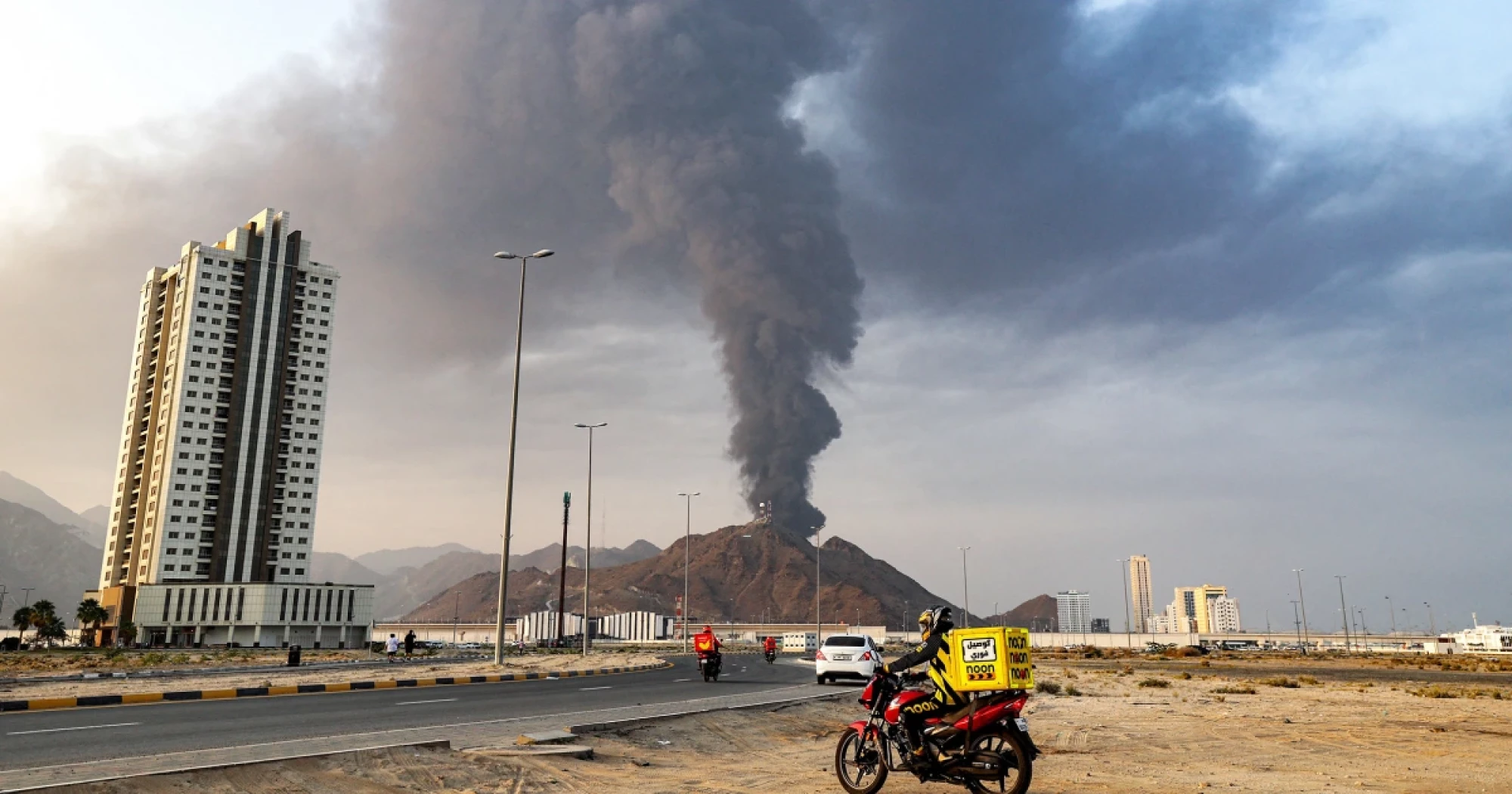
As Gulf state leaders gathered in a Riyadh hotel this week to discuss the growing Middle East war, strikes from Tehran blasted outside.
As Gulf state leaders gathered in a Riyadh hotel this week to discuss the growing Middle East war, strikes from Tehran blasted outside. Iran was sending a clear message, Saudi Arabia’s foreign minister said.
“The attack was timed to coincide with this meeting,” Saudi Foreign Minister Prince Faisal bin Farhan Al Saud told NBC News. “To intimidate those present. To send home the message that Iran will not stop.”
As the war drags into a third week, Persian Gulf states are being increasingly bombarded with retaliatory strikes from a defiant Iran, caught in the middle of the war initiated by the U.S. and Israel for which President Donald Trump has offered shifting rationales and a changing timeline. It’s forcing Gulf nations into a stark decision: whether or not to join the fight.
During the meeting in Saudi Arabia on Wednesday with representatives from Bahrain, Egypt, Jordan, Kuwait, Lebanon, Pakistan, Qatar, Azerbaijan, Syria, Turkey and the United Arab Emirates, the Saudi foreign minister said the trust between Iran and neighbors had been shattered, and the prospect of neighboring nations entering the war should not be dismissed.
“I think it’s important for the Iranians to understand that the kingdom, but also its partners who have been attacked and beyond, have very significant capabilities and capabilities that they could bring to bear should they choose to do so,” he said.
Rating: 5