Afghan women lose their 'last hope' as Taliban shut down internet
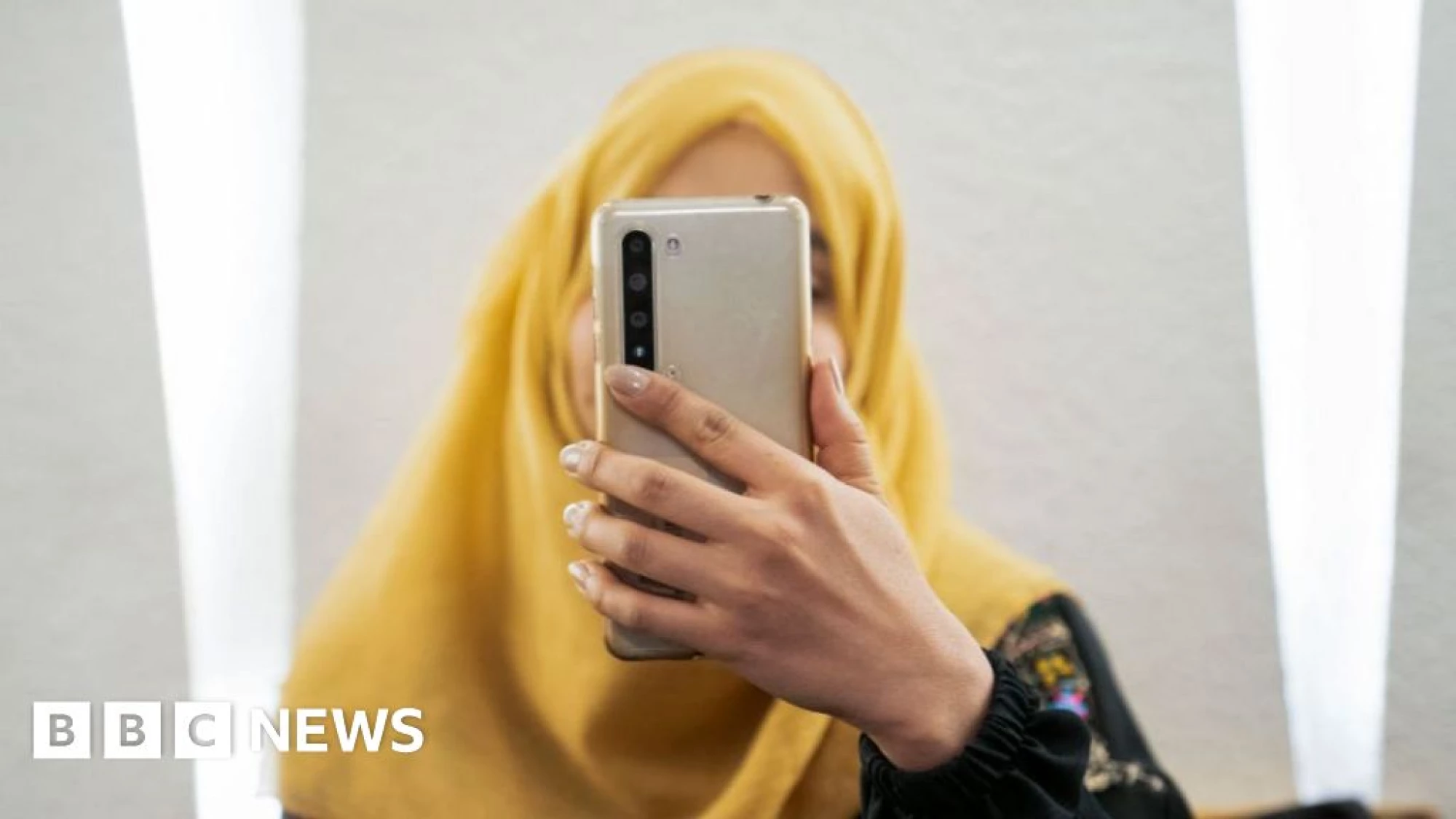
For many women, the internet was their last resource. An internet shutdown threatens to end this.
Watch LiveBritish Broadcasting CorporationHomeNewsSportBusinessInnovationCultureArtsTravelEarthAudioVideoLiveHomeNewsIsrael-Gaza WarWar in UkraineUS & CanadaUKUK PoliticsEnglandN. IrelandN. Ireland PoliticsScotlandScotland PoliticsWalesWales PoliticsAfricaAsiaChinaIndiaAustraliaEuropeLatin AmericaMiddle EastIn PicturesBBC InDepthBBC VerifySportBusinessExecutive LoungeTechnology of BusinessFuture of BusinessInnovationTechnologyScience & HealthArtificial IntelligenceAI v the MindCultureFilm & TVMusicArt & DesignStyleBooksEntertainment NewsArtsArts in MotionTravelDestinationsAfricaAntarcticaAsiaAustralia and PacificCaribbean & BermudaCentral AmericaEuropeMiddle EastNorth AmericaSouth AmericaWorld’s TableCulture & ExperiencesAdventuresThe SpeciaListTo the Ends of The Earth EarthNatural WondersWeather & ScienceClimate SolutionsSustainable BusinessGreen LivingAudioPodcast CategoriesRadioAudio FAQsVideoLiveLive NewsLive SportHomeNewsSportBusinessInnovationCultureArtsTravelEarthAudioVideoLiveWeatherNewslettersWatch LiveAfghan women lose their 'last hope' as Taliban shut down internet1 day agoShareSaveMahfouz ZubaideAfghanistan producerShareSaveGetty ImagesFahima Noori had big dreams when she graduated from university in Afghanistan.
She had studied law, graduated from a midwifery programme and even worked in a mental health clinic.
But all that was taken away when the Taliban swept into power in 2021. They banned girls over the age of 12 from getting an education, severely restricted job options for women and recently removed books written by women from universities.
For Fahima, the internet was her last lifeline to the outside world.
"I recently enrolled in an online university [and] I had hoped to finish my studies and find an online job," she said.
https://www.bbc.com/news/articles/c98dmq03n92o?at_medium=RSS&at_campaign=rss
Rating: 5