Why NASA’s hopes of returning to the moon before China gets there hinge on SpaceX
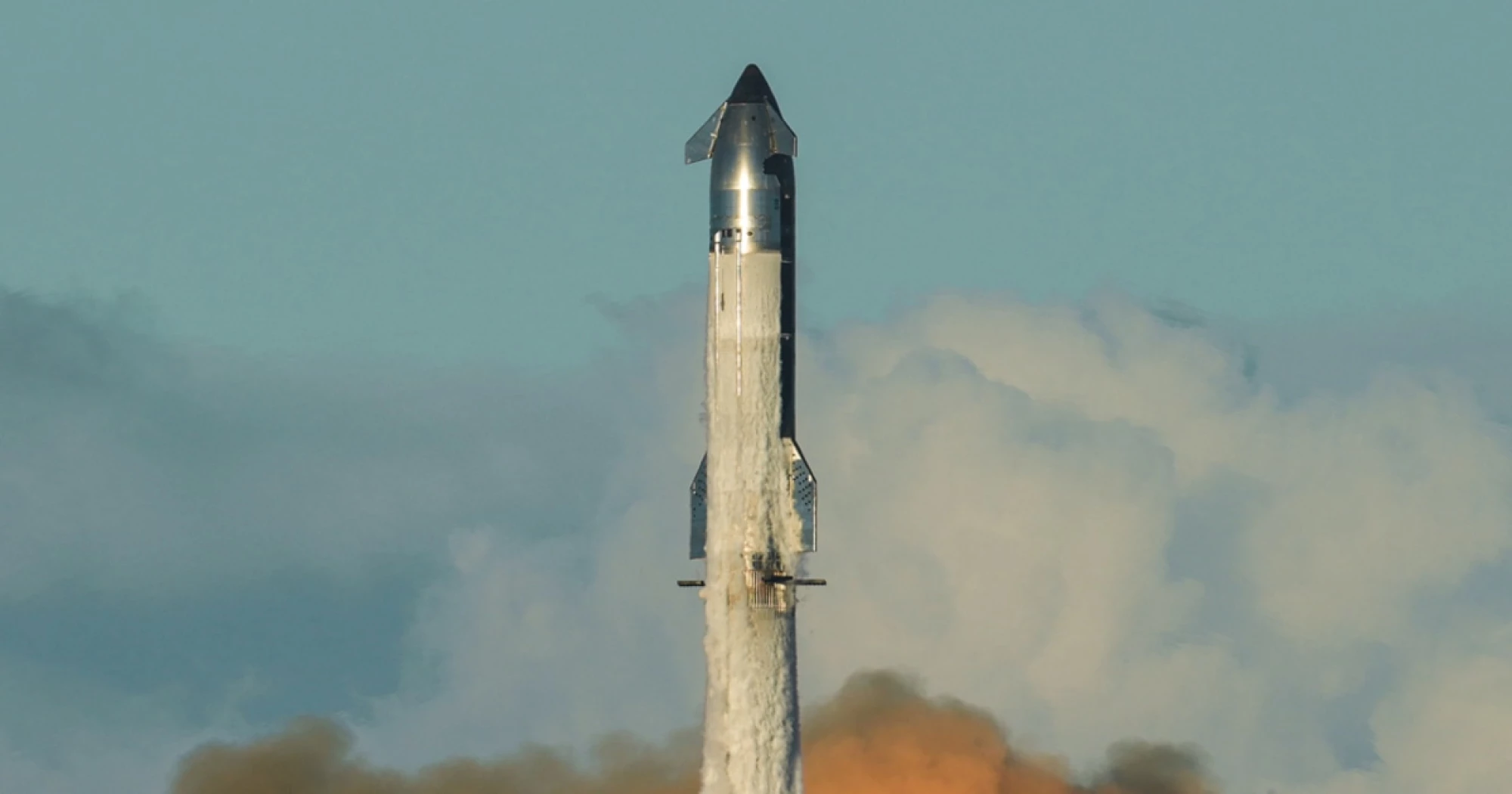
NASA wants to land astronauts back on the moon by 2027. China aims to put boots there by 2030. For NASA to win the race, it needs SpaceX to complete its Starship rocket.
As SpaceX’s Starship rocket thundered into the South Texas sky this week, a crowd of employees outside mission control began to chant, “U-S-A, U-S-A!”
It was the second successful test flight after a string of fiery failures for Starship, bringing Elon Musk’s rocket company a step closer to its goal of carrying NASA astronauts back to the moon. Yet, the hurdles ahead seem as large and daunting as the 400-foot-tall launch system.
The employees’ zeal was, in part, an acknowledgment of the space race that has heated up between the United States and China. NASA chose SpaceX for an upcoming moon mission the agency bills as “humanity’s first return to the lunar surface in more than 50 years,” which is scheduled for 2027. But China is jockeying to secure that milestone for itself and has pledged to put boots on the moon by 2030.
SpaceX is significantly behind where it should be if the United States wants to beat China. Although the company has made major strides since Starship debuted in 2023, a spate of four failures marred its progress this year, including two explosions that rained debris over parts of the Caribbean.
The pressure on each Starship launch belies a larger problem: NASA has found itself reliant on a single commercial company to deliver the future of America’s space program.
https://www.nbcnews.com/science/space/spacex-nasa-moon-return-behind-rcna236439
Rating: 5