New 'Lucifer' bee with devil-like horns found in Australia
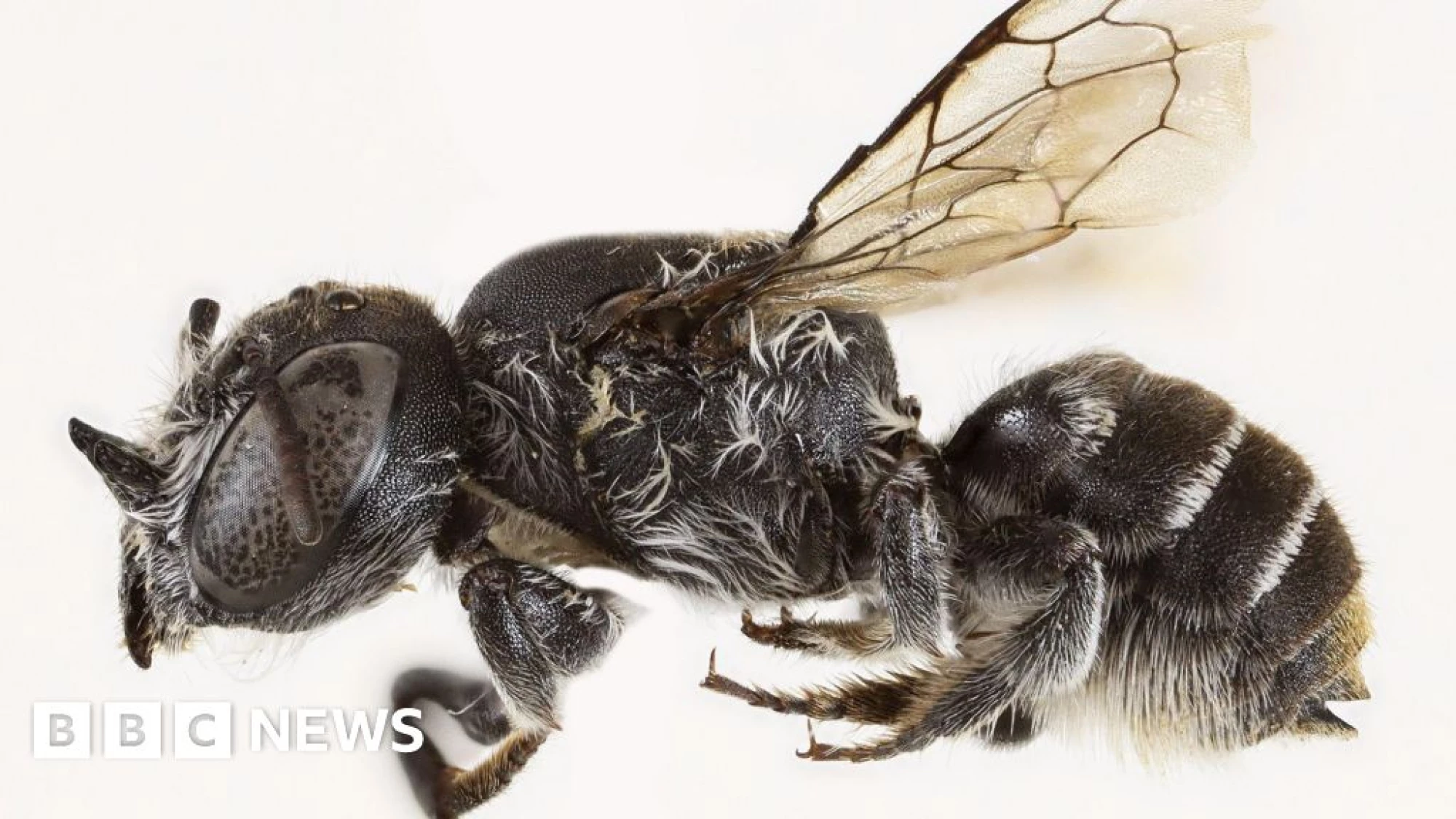
The native bee was found near a rare wildflower, prompting scientists to call for the area to be protected.
Watch LiveBritish Broadcasting CorporationHomeNewsSportBusinessInnovationCultureArtsTravelEarthAudioVideoLiveDocumentariesHomeNewsIsrael-Gaza WarWar in UkraineUS & CanadaUKUK PoliticsEnglandN. IrelandN. Ireland PoliticsScotlandScotland PoliticsWalesWales PoliticsAfricaAsiaChinaIndiaAustraliaEuropeLatin AmericaMiddle EastIn PicturesBBC InDepthBBC VerifySportBusinessExecutive LoungeTechnology of BusinessFuture of BusinessInnovationWatch DocumentariesTechnologyScience & HealthArtificial IntelligenceAI v the MindCultureWatch DocumentariesFilm & TVMusicArt & DesignStyleBooksEntertainment NewsArtsArts in MotionTravelWatch DocumentariesDestinationsAfricaAntarcticaAsiaAustralia and PacificCaribbean & BermudaCentral AmericaEuropeMiddle EastNorth AmericaSouth AmericaWorld’s TableCulture & ExperiencesAdventuresThe SpeciaListTo the Ends of The Earth EarthWatch DocumentariesNatural WondersWeather & ScienceClimate SolutionsSustainable BusinessGreen LivingAudioPodcast CategoriesRadioAudio FAQsVideoWatch DocumentariesBBC MaestroLiveLive NewsLive SportDocumentariesHomeNewsSportBusinessInnovationCultureArtsTravelEarthAudioVideoLiveDocumentariesWeatherNewslettersWatch LiveNew 'Lucifer' bee with devil-like horns found in Australia12 hours agoShareSaveLana LamSydneyShareSaveDr Kit PrendergastTiny devil-like horns on the new native bee species inspired its name, LuciferAustralian scientists have discovered a new native bee species with tiny horns - and given it a suitably devilish name.
Researchers found the Megachile Lucifer while observing a rare wildflower that only grows in the Bremer Ranges in Western Australia's Goldfields region, 470km (292 miles) east of Perth.
The "highly distinctive, prominent horns" are only on the female bee and may be used as a defence mechanism, to gather pollen or nectar, or to collect materials such as resin for nests.
The study's lead scientist said she was inspired to use the name Lucifer as she was watching the Netflix show of the same name at the time. She adds it is the first new member of this bee group in 20 years.
"The female had these incredible little horns on her face," said Dr Kit Prendergast from Curtin University .
https://www.bbc.com/news/articles/c051yjv90dmo?at_medium=RSS&at_campaign=rss
Rating: 5