What growing up in war does to a child's brain - and their future
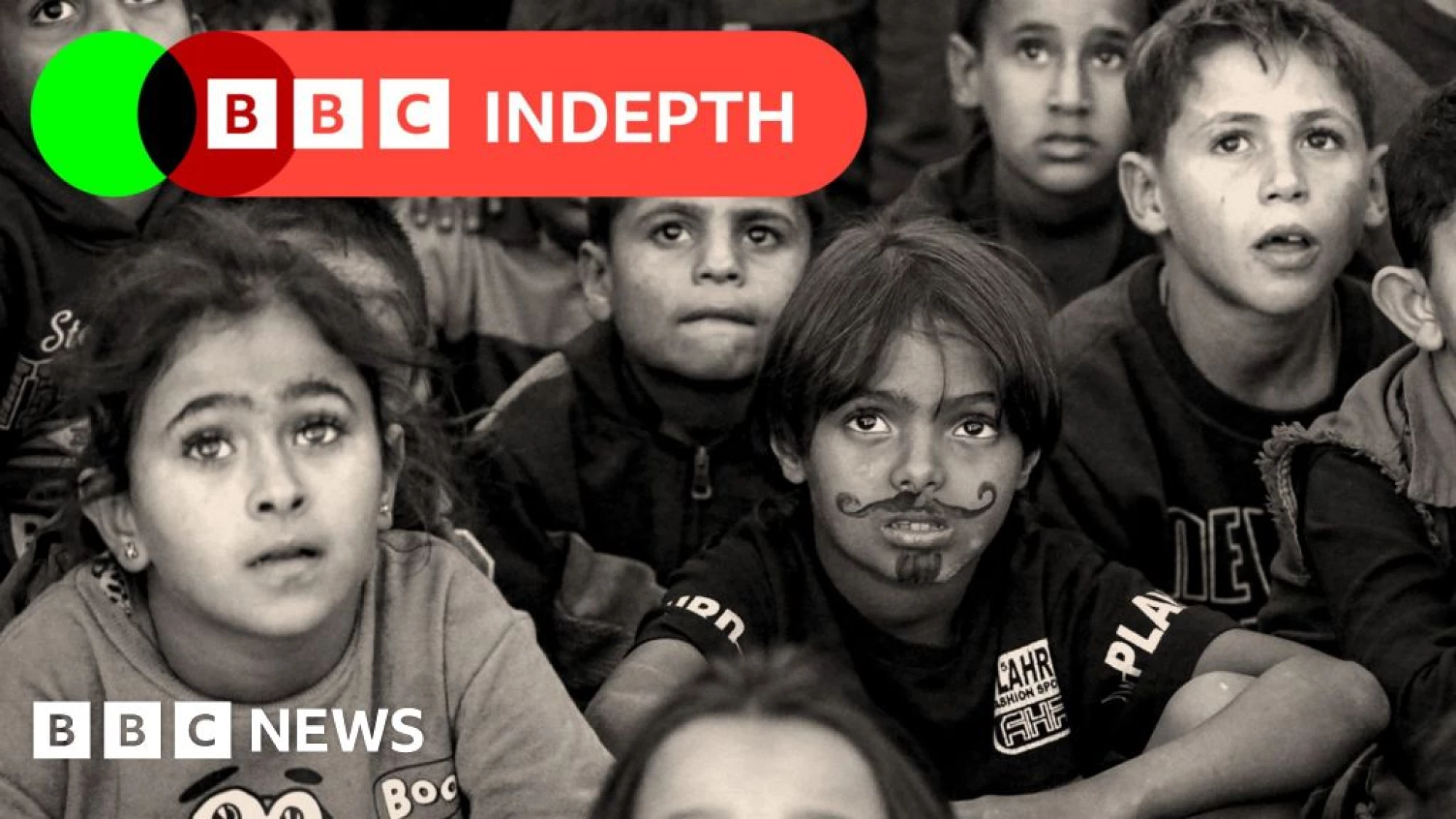
Fergal Keane has met thousands of traumatised children while reporting on conflicts. Here, he researches the long-term effect on them - and what, if anything, can help.
Watch LiveBritish Broadcasting CorporationHomeNewsSportBusinessInnovationCultureArtsTravelEarthAudioVideoLiveDocumentariesHomeNewsIsrael-Gaza WarWar in UkraineUS & CanadaUKUK PoliticsEnglandN. IrelandN. Ireland PoliticsScotlandScotland PoliticsWalesWales PoliticsAfricaAsiaChinaIndiaAustraliaEuropeLatin AmericaMiddle EastIn PicturesBBC InDepthBBC VerifySportBusinessExecutive LoungeTechnology of BusinessFuture of BusinessInnovationWatch DocumentariesTechnologyScience & HealthArtificial IntelligenceAI v the MindCultureWatch DocumentariesFilm & TVMusicArt & DesignStyleBooksEntertainment NewsArtsWatch DocumentariesArts in MotionTravelWatch DocumentariesDestinationsAfricaAntarcticaAsiaAustralia and PacificCaribbean & BermudaCentral AmericaEuropeMiddle EastNorth AmericaSouth AmericaWorld’s TableCulture & ExperiencesAdventuresThe SpeciaListEarthWatch DocumentariesNatural WondersWeather & ScienceClimate SolutionsSustainable BusinessGreen LivingAudioPodcast CategoriesRadioAudio FAQsVideoWatch DocumentariesBBC MaestroLiveLive NewsLive SportDocumentariesHomeNewsSportBusinessInnovationCultureArtsTravelEarthAudioVideoLiveDocumentariesWeatherNewslettersWatch LiveWhat growing up in war does to a child's brain - and how it really affects them years later1 day agoShareSaveFergal KeaneSpecial correspondent ShareSaveBBCContent warning: this article includes details about the impact of conflict on children in war zones and descriptions of injuries that some readers may find distressing.
The first thing was that Abdelrahman's dad was killed. The family home was struck by an Israeli air strike. The boy's mum, Asma al-Nashash, 29, remembers that "they brought him out in pieces".
Then on 16 July 2024 an air strike hit the school in Nuseirat, central Gaza. Eleven-year-old Abdelrahman was seriously wounded. Doctors had to amputate his leg.
His mental state began to deteriorate. "He started pulling his hair and hitting himself hard," Asma recalls. "He became like someone who has depression, seeing his friends playing and running around… and he's sitting alone."
When I meet Abdelrahman at a hospital in Jordan in May 2025, he is withdrawn and wary. Dozens of children have been evacuated to the Kingdom from Gaza for medical treatment.
https://www.bbc.com/news/articles/cre3pdxde7vo?at_medium=RSS&at_campaign=rss
Rating: 5