Data centres: The new tech stopping chips from overheating
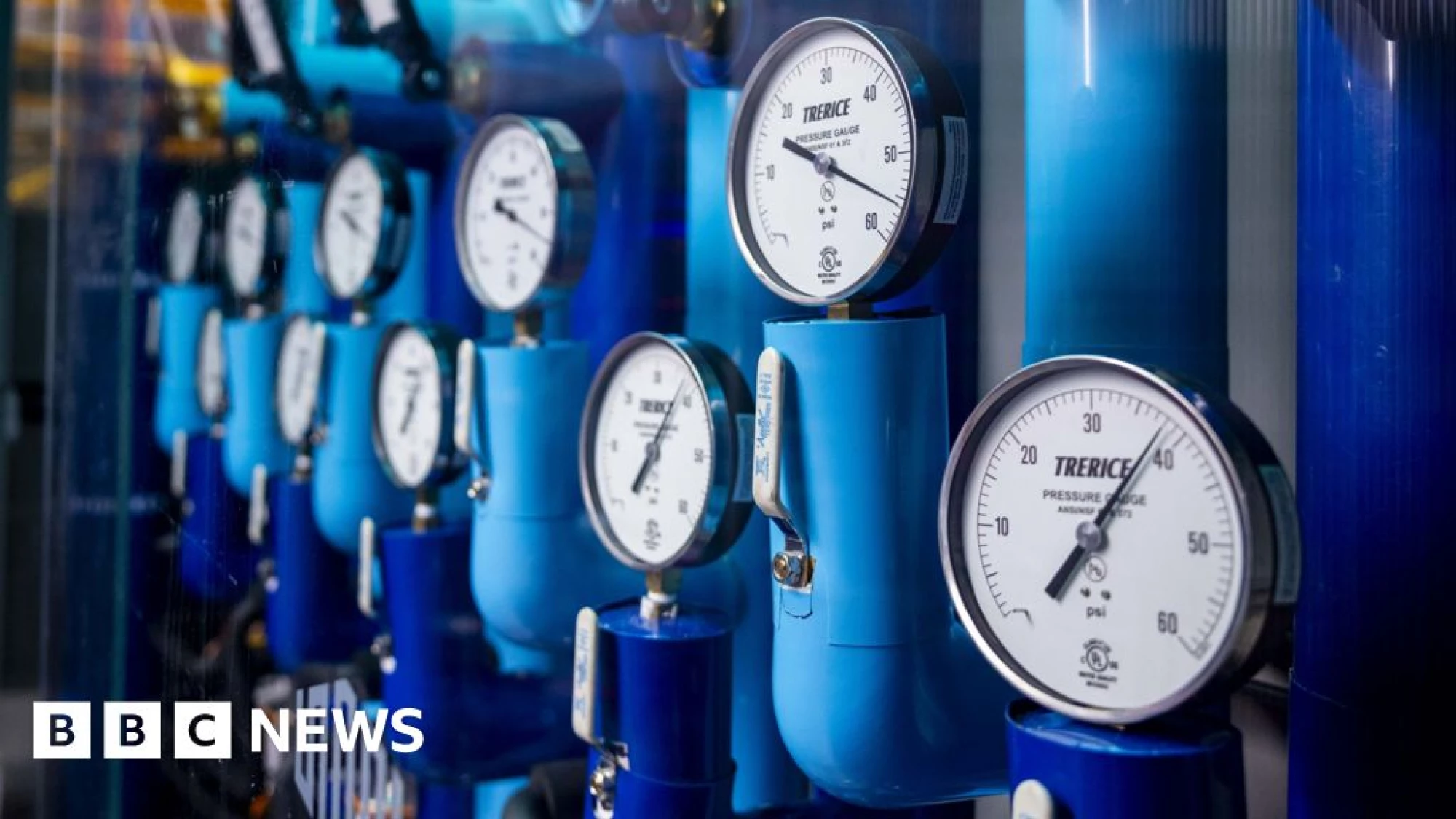
Finding greener ways to keep giant new data centres cool is a challenge.
Watch LiveBritish Broadcasting CorporationHomeNewsSportBusinessInnovationCultureArtsTravelEarthAudioVideoLiveDocumentariesHomeNewsIsrael-Gaza WarWar in UkraineUS & CanadaUKUK PoliticsEnglandN. IrelandN. Ireland PoliticsScotlandScotland PoliticsWalesWales PoliticsAfricaAsiaChinaIndiaAustraliaEuropeLatin AmericaMiddle EastIn PicturesBBC InDepthBBC VerifySportBusinessExecutive LoungeTechnology of BusinessFuture of BusinessInnovationWatch DocumentariesTechnologyScience & HealthArtificial IntelligenceAI v the MindCultureWatch DocumentariesFilm & TVMusicArt & DesignStyleBooksEntertainment NewsArtsWatch DocumentariesArts in MotionTravelWatch DocumentariesDestinationsAfricaAntarcticaAsiaAustralia and PacificCaribbean & BermudaCentral AmericaEuropeMiddle EastNorth AmericaSouth AmericaWorld’s TableCulture & ExperiencesAdventuresThe SpeciaListEarthWatch DocumentariesNatural WondersWeather & ScienceClimate SolutionsSustainable BusinessGreen LivingAudioPodcast CategoriesRadioAudio FAQsVideoWatch DocumentariesBBC MaestroLiveLive NewsLive SportDocumentariesHomeNewsSportBusinessInnovationCultureArtsTravelEarthAudioVideoLiveDocumentariesWeatherNewslettersWatch LiveThe showers and baths keeping data centre tech cool15 hours agoShareSaveChris BaraniukTechnology ReporterShareSaveThe Washington Post via Getty ImagesData centres can't function without cooling systemsThey work 24/7 at high speeds and get searingly hot - but data centre computer chips get plenty of pampering. Some of them basically live at the spa.
"We'll have fluid that comes up and [then] shower down, or trickle down, onto a component," says Jonathan Ballon, chief executive at liquid cooling firm Iceotope. "Some things will get sprayed."
In other cases, the industrious gizmos recline in circulating baths of fluid, which ferries away the heat they generate, enabling them to function at very high speeds, known as "overclocking".
"We have customers that are overclocking at all times because there is zero risk of burning out the server," says Mr Ballon. He adds that one client, a hotel chain in the US, is planning to use heat from hotel servers to warm guest rooms, the hotel laundry and swimming pool.
Without cooling, data centres fall over.
https://www.bbc.com/news/articles/cp8zd176516o?at_medium=RSS&at_campaign=rss
Rating: 5