MNREGA: Is India's landmark rural jobs guarantee scheme under threat from G RAM G?
India’s rural jobs guarantee, a global model, faces controversy as a new law reshapes the original scheme.
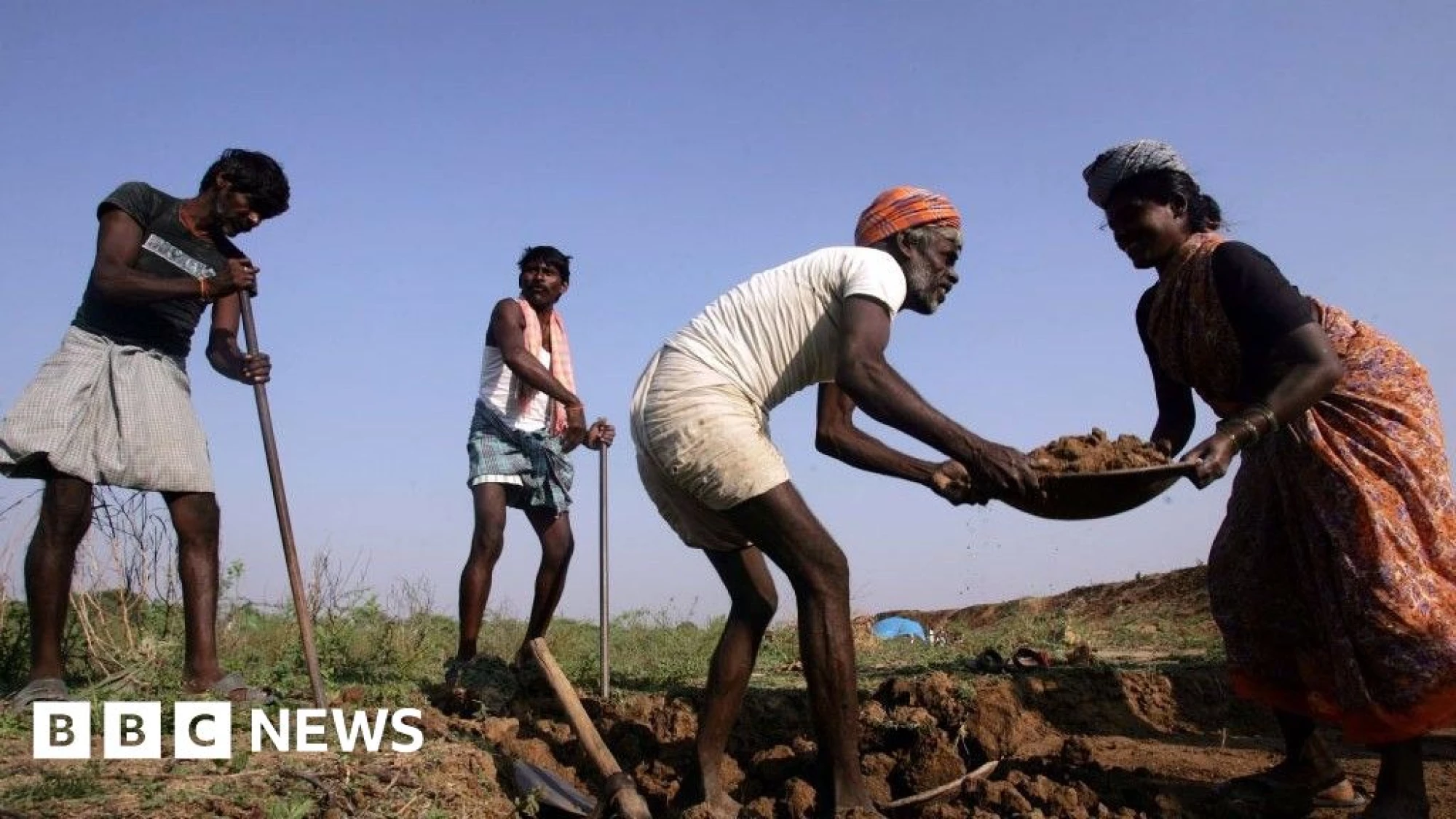
Watch LiveBritish Broadcasting CorporationHomeNewsSportBusinessInnovationCultureArtsTravelEarthAudioVideoLiveDocumentariesHomeNewsIsrael-Gaza WarWar in UkraineUS & CanadaUKUK PoliticsEnglandN. IrelandN. Ireland PoliticsScotlandScotland PoliticsWalesWales PoliticsAfricaAsiaChinaIndiaAustraliaEuropeLatin AmericaMiddle EastIn PicturesBBC InDepthBBC VerifySportBusinessExecutive LoungeTechnology of BusinessFuture of BusinessInnovationWatch DocumentariesTechnologyScience & HealthArtificial IntelligenceAI v the MindCultureWatch DocumentariesFilm & TVMusicArt & DesignStyleBooksEntertainment NewsArtsWatch DocumentariesArts in MotionTravelWatch DocumentariesDestinationsAfricaAntarcticaAsiaAustralia and PacificCaribbean & BermudaCentral AmericaEuropeMiddle EastNorth AmericaSouth AmericaWorld’s TableCulture & ExperiencesAdventuresThe SpeciaListEarthWatch DocumentariesNatural WondersWeather & ScienceClimate SolutionsSustainable BusinessGreen LivingAudioPodcast CategoriesRadioAudio FAQsVideoWatch DocumentariesBBC MaestroLiveLive NewsLive SportDocumentariesHomeNewsSportBusinessInnovationCultureArtsTravelEarthAudioVideoLiveDocumentariesWeatherNewslettersWatch LiveIndia's jobs guarantee scheme: A global model under threat? 15 hours agoShareSaveSoutik BiswasIndia correspondentShareSaveHindustan Times via Getty ImagesProviding unskilled public work, the jobs scheme has become a backbone of rural livelihoods in IndiaIndia is home to one of the world's most ambitious social programmes - a jobs guarantee that gives every rural household the legal right to paid work.
Launched in 2005 by a Congress party government, the National Rural Employment Guarantee Scheme (NREGS) entitled every rural household to demand up to 100 days of paid manual work each year at a statutory minimum wage.
This mattered in a country where 65% of 1.4 billion people live in rural areas and nearly half rely on farming, which generates insufficient income, accounting for just 16% of India's GDP.
Providing unskilled public work across all but fully urban districts, the scheme has become a backbone of rural livelihoods, cushioning demand during economic shocks. It is also among the world's most studied anti-poverty programmes, with strong equity: over half of the estimated 126 million scheme workers are women, and around 40% come from "scheduled castes" or tribes, among the most deprived Indians
The ruling Narendra Modi government, initially critical and later inclined to pare it back, turned to the scheme in crises - most notably during the Covid pandemic, when mass return migration from cities to villages sharply drove up demand for work. Economists say the scheme lifted rural consumption, reduced poverty, improved school attendance, and in some regions pushed up private-sector wages.
https://www.bbc.com/news/articles/c1lr980vvjpo?at_medium=RSS&at_campaign=rss
Rating: 5