Lightning detected on Mars by Nasa rover, scientists believe
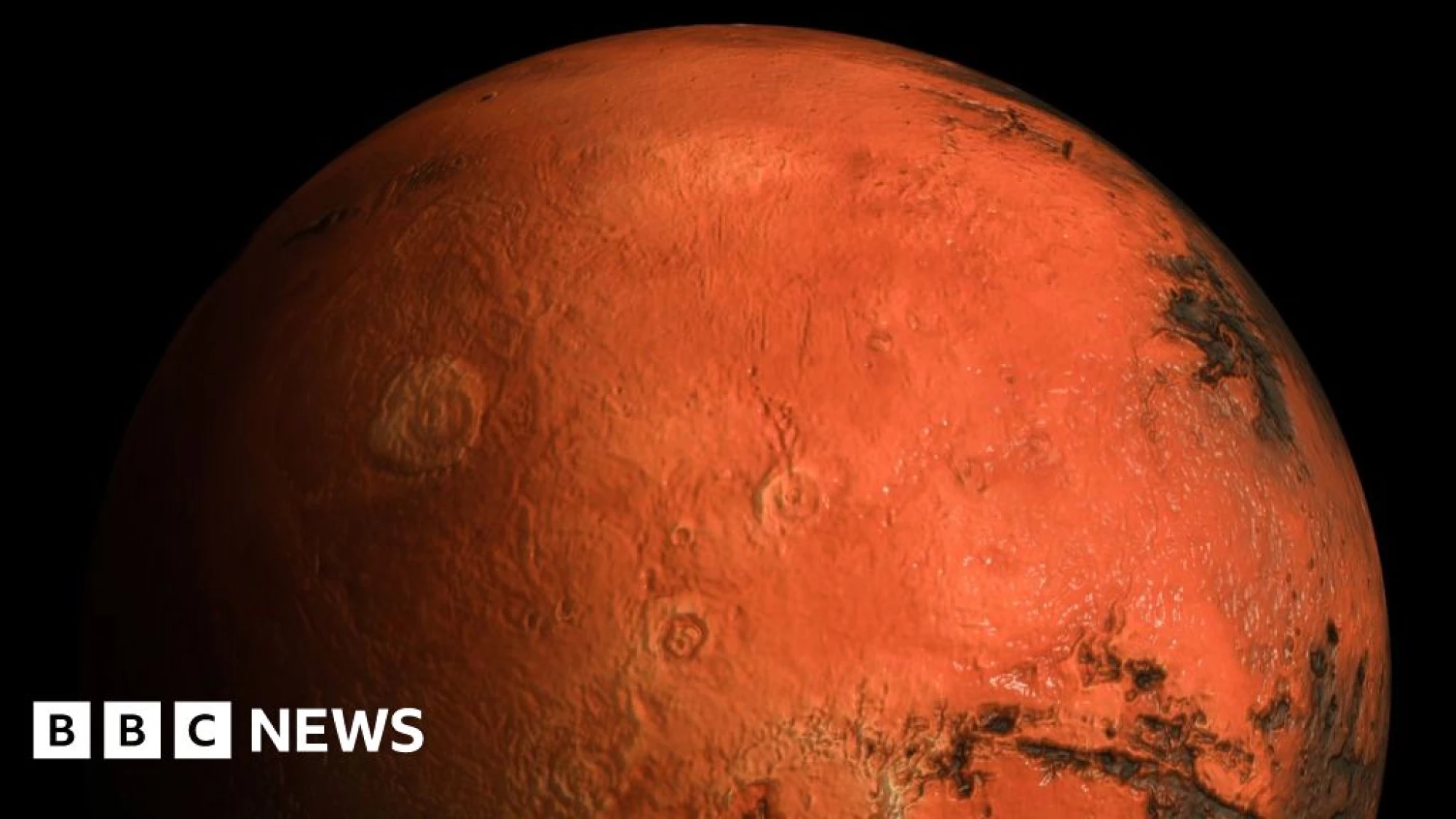
Researchers heard electric crackles on 28 hours of recordings made over two Martian years.
Watch LiveBritish Broadcasting CorporationHomeNewsSportBusinessInnovationCultureArtsTravelEarthAudioVideoLiveDocumentariesHomeNewsIsrael-Gaza WarWar in UkraineUS & CanadaUKUK PoliticsEnglandN. IrelandN. Ireland PoliticsScotlandScotland PoliticsWalesWales PoliticsAfricaAsiaChinaIndiaAustraliaEuropeLatin AmericaMiddle EastIn PicturesBBC InDepthBBC VerifySportBusinessExecutive LoungeTechnology of BusinessFuture of BusinessInnovationWatch DocumentariesTechnologyScience & HealthArtificial IntelligenceAI v the MindCultureWatch DocumentariesFilm & TVMusicArt & DesignStyleBooksEntertainment NewsArtsWatch DocumentariesArts in MotionTravelWatch DocumentariesDestinationsAfricaAntarcticaAsiaAustralia and PacificCaribbean & BermudaCentral AmericaEuropeMiddle EastNorth AmericaSouth AmericaWorld’s TableCulture & ExperiencesAdventuresThe SpeciaListTo the Ends of the Earth EarthWatch DocumentariesNatural WondersWeather & ScienceClimate SolutionsSustainable BusinessGreen LivingAudioPodcast CategoriesRadioAudio FAQsVideoWatch DocumentariesBBC MaestroLiveLive NewsLive SportDocumentariesHomeNewsSportBusinessInnovationCultureArtsTravelEarthAudioVideoLiveDocumentariesWeatherNewslettersWatch LiveLightning detected on Mars for the first time, scientists say24 hours agoShareSaveFiona NimoniShareSaveGetty ImagesScientists believe they have recorded electrical activity in the Martian atmosphere for the first time, suggesting the planet is capable of lightning.
Nasa's Perseverance rover, which touched down on Mars in 2021, was sent to search for signs of biology and has spent the last four years exploring the Jezero Crater region.
Electrical discharges nicknamed "mini lightning" were picked up from audio and electromagnetic recordings made by the rover's SuperCam instrument.
Scientists hope new instruments for measuring atmospheric discharges and more-sensitive cameras could be sent to Mars to try to confirm the findings.
A team of researchers from France analysed 28 hours of microphone recordings made by the Nasa rover over two Martian years (or 1,374 Earth days).
https://www.bbc.com/news/articles/c0q5w13e58zo?at_medium=RSS&at_campaign=rss
Rating: 5