Ebola risk raised to 'very high' in DR Congo
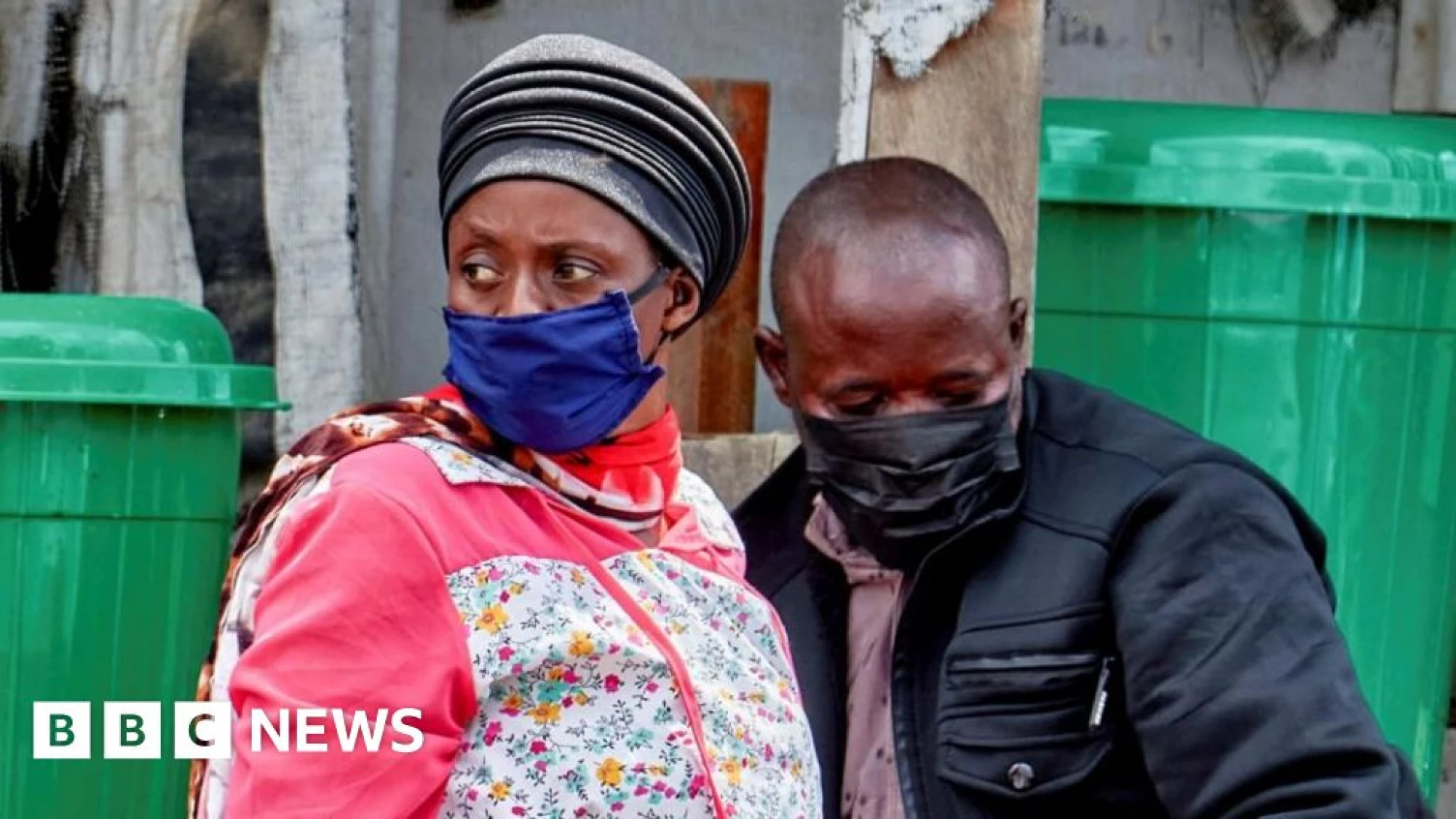
The head of the UN health agency says the risk in the wider region is "high", but it remains "low" at the global level.
Watch LiveBritish Broadcasting CorporationHomeNewsSportBusinessTechnologyHealthCultureArtsTravelEarthAudioVideoLiveDocumentariesHomeNewsUS & CanadaUKUK PoliticsEnglandN. IrelandN. Ireland PoliticsScotlandScotland PoliticsWalesWales PoliticsAfricaAsiaChinaIndiaAustraliaEuropeLatin AmericaMiddle EastIn PicturesBBC InDepthBBC VerifySportBusinessWorld of BusinessTechnology of BusinessNYSE Opening BellTechnologyWatch DocumentariesArtificial IntelligenceIntelligence RevolutionAI v the MindTech NowHealthWatch DocumentariesCultureWatch DocumentariesFilm & TVMusicArt & DesignStyleBooksEntertainment NewsArtsWatch DocumentariesArts in MotionTravelWatch DocumentariesDestinationsAfricaAntarcticaAsiaAustralia and PacificCaribbean & BermudaCentral AmericaEuropeMiddle EastNorth AmericaSouth AmericaWorld’s TableCulture & ExperiencesAdventuresThe SpeciaListEarthWatch DocumentariesScienceNatural WondersClimate SolutionsSustainable BusinessGreen LivingAudioPodcast CategoriesRadioAudio FAQsVideoWatch DocumentariesBBC MaestroDiscover the WorldLiveLive NewsLive SportDocumentariesSite searchHomeNewsSportBusinessTechnologyHealthCultureArtsTravelEarthAudioVideoLiveDocumentariesWeatherNewslettersWatch LiveEbola risk raised to 'very high' in DR Congo23 hours agoShareSaveAdd as preferred on GoogleJaroslav LukivReutersThere are now almost 750 suspected Ebola cases in the Democratic Republic of CongoThe public health risk from the current Ebola outbreak in the Democratic Republic of Congo has been raised from "high" to "very high" by the World Health Organization (WHO).
In an update on Friday, WHO head Dr Tedros Adhanom Ghebreyesus also said the risk in the wider region in Africa was "high", but it remained "low" globally.
The rare species of Ebola, known as Bundibugyo, has no proven vaccine and kills about a third of those infected. So far, the outbreak centred on DR Congo has resulted in 177 suspected deaths and 750 suspected cases.
It comes as scientists at Oxford University in the UK are developing a new vaccine that could be ready for clinical trials within two to three months.
Based on the same technology they developed for the AstraZeneca Covid vaccine, there are no guarantees it will prove effective and it will take animal research and trials on people to know if it will be.
https://www.bbc.com/news/articles/cr7p30m1dn1o?at_medium=RSS&at_campaign=rss
Rating: 5