How Saudi Arabia's spending spree reached the end of the line
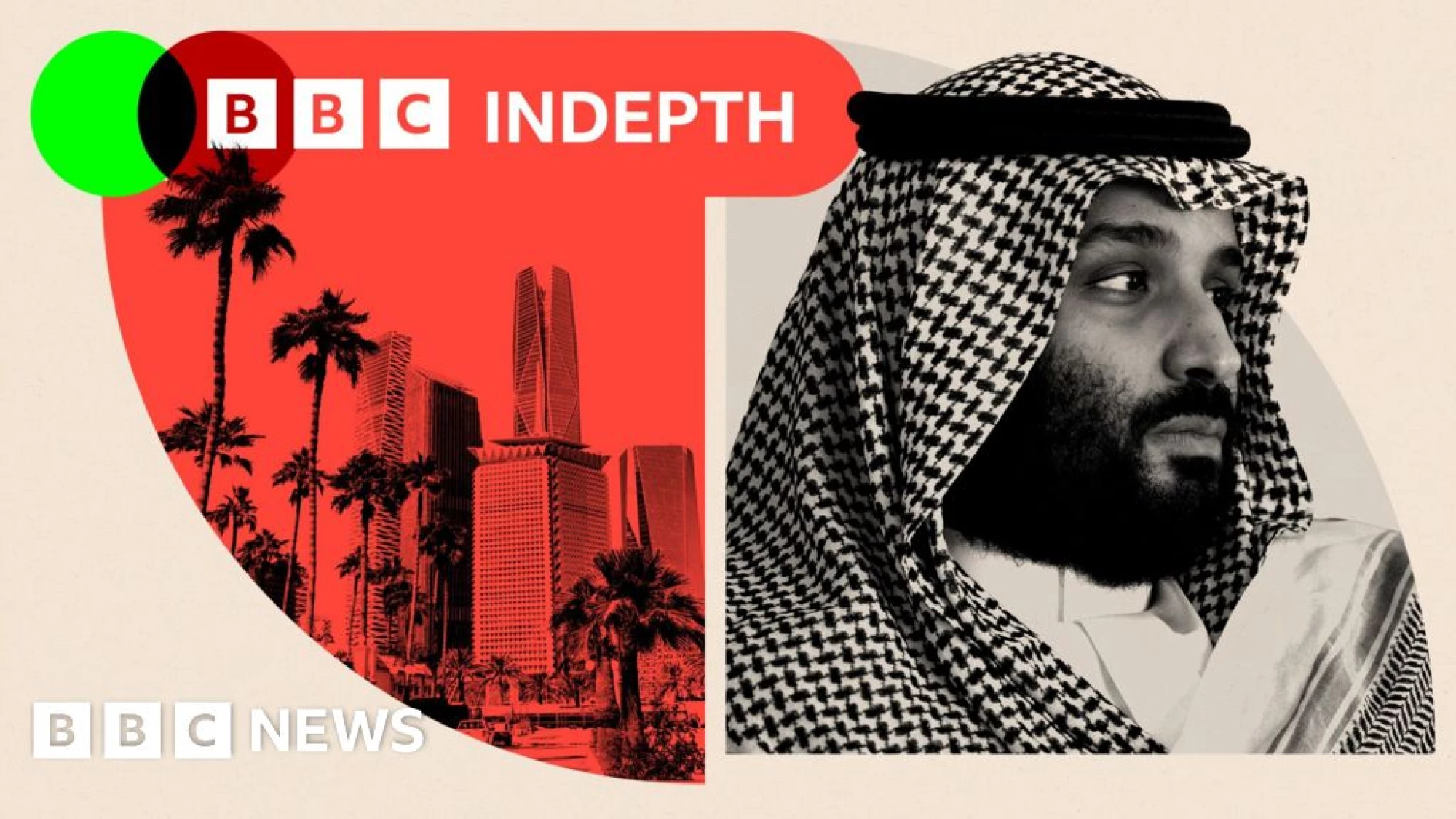
MBS's Vison 2030 project seemed the stuff of science fiction. Now reality has bitten
Watch LiveBritish Broadcasting CorporationHomeNewsSportBusinessTechnologyHealthCultureArtsTravelEarthAudioVideoLiveDocumentariesHomeNewsUS & CanadaUKUK PoliticsEnglandN. IrelandN. Ireland PoliticsScotlandScotland PoliticsWalesWales PoliticsAfricaAsiaChinaIndiaAustraliaEuropeLatin AmericaMiddle EastIn PicturesBBC InDepthBBC VerifySportBusinessWorld of BusinessTechnology of BusinessNYSE Opening BellTechnologyWatch DocumentariesArtificial IntelligenceIntelligence RevolutionAI v the MindTech NowHealthWatch DocumentariesCultureWatch DocumentariesFilm & TVMusicArt & DesignStyleBooksEntertainment NewsArtsWatch DocumentariesArts in MotionTravelWatch DocumentariesDestinationsAfricaAntarcticaAsiaAustralia and PacificCaribbean & BermudaCentral AmericaEuropeMiddle EastNorth AmericaSouth AmericaWorld’s TableCulture & ExperiencesAdventuresThe SpeciaListEarthWatch DocumentariesScienceNatural WondersClimate SolutionsSustainable BusinessGreen LivingAudioPodcast CategoriesRadioAudio FAQsVideoWatch DocumentariesBBC MaestroDiscover the WorldLiveLive NewsLive SportDocumentariesSite searchHomeNewsSportBusinessTechnologyHealthCultureArtsTravelEarthAudioVideoLiveDocumentariesWeatherNewslettersWatch LiveHow Saudi Arabia's spending spree reached the end of the line14 hours agoShareSaveAdd as preferred on GoogleSebastian UsherGlobal affairs correspondentBBCAutocratic monarchs once left an echo of their glory in the ruins of the megaprojects they commanded at the peak of their unchallenged power. Those monumental physical traces are to be found in the fertile plains, mountainsides and deserts of the Middle East. But one of their most prominent modern counterparts may only have a digital footprint to leave behind for some of his most ambitious concepts.
A decade ago, the Crown Prince of Saudi Arabia Mohammed bin Salman – or MBS as he is widely known – decreed a revisioning of his country that leapt from the realm of science fiction. It was called Vision 2030. Extraordinary monolithic structures were to help bring forth new technological marvels not just for the Kingdom but for the world.
Those ideas were made manifest in lavish PR material conjuring up fantastical landscapes that attracted reams of coverage that mingled awe and derision. It was made possible by the near $1trn (£744bn) sovereign wealth fund of Saudi Arabia (PIF) whose riches, so dependent on oil, were to be used to create the foundation for a future without oil.
Four years from 2030, there has now been, perhaps predictably, a retrenchment. Part of that is down to financial imperatives, as a big fall in oil prices before the current war in the Middle East meant that even Saudi Arabia's extraordinary wealth took a hit.
Even though those prices have now shot up because of the war, the uncertainty created by the conflict will continue to put constraints on Saudi revenue and spending. And the influx of foreign investment in these hyper-expensive visionary projects has never materialised to the degree on which the Saudis had been banking.
https://www.bbc.com/news/articles/cx21g0828reo?at_medium=RSS&at_campaign=rss
Rating: 5