What to know on Trump's H-1B visa fee: Who it impacts, when it starts and how it could affect U.S. immigration
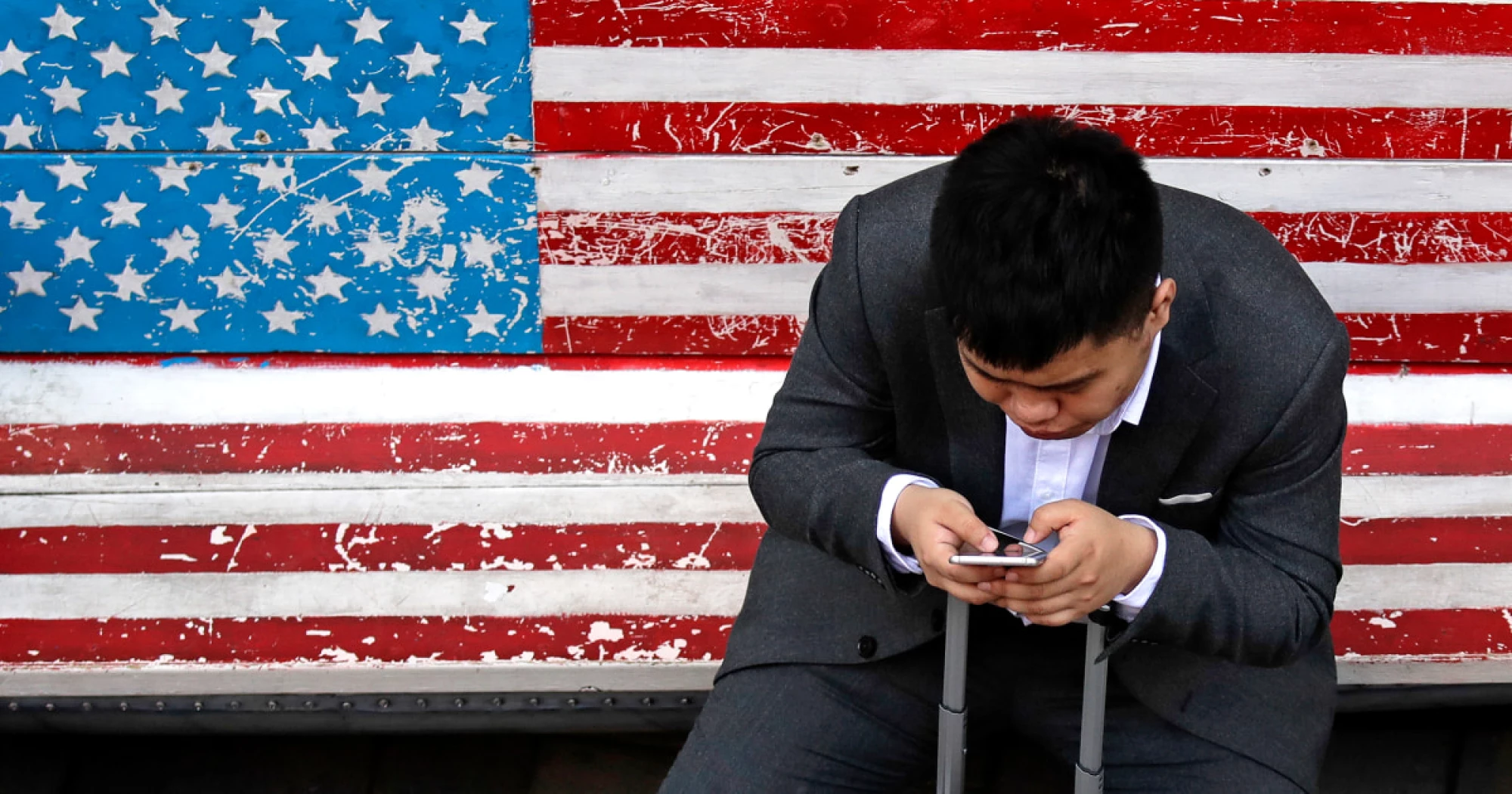
Here’s what we know about the new changes and how they will impact the industries who rely on this visa program to bring high-skilled workers.
President Donald Trump's announcement of a new $100,000 fee on H-1B visas caused a flurry of confusion among companies that use the visa program, as well as among immigrant workers and countries around the world, as they tried to gauge its impact.
Here’s what we know about the new changes and how they will affect the industries that rely on the visa program to bring in high-skilled workers.
The H-1B visa is a legal immigration program that allows U.S. employers to temporarily hire skilled foreign workers in "specialty occupations" across health care, tech and finance industries, among other STEM-related fields.
For the purposes of the visa program, a “specialty occupation” is defined as a job that requires at least a bachelor’s degree or higher and the “theoretical and practical application of a body of highly specialized knowledge.”
The visa program, created by the Immigration Act of 1990, was originally designed to address critical workforce needs, making it easier for employers to bring in workers with specialized skills that were harder to find in the United States.
Rating: 5