Solar energy: India's renewable energy boom faces a hidden waste problem
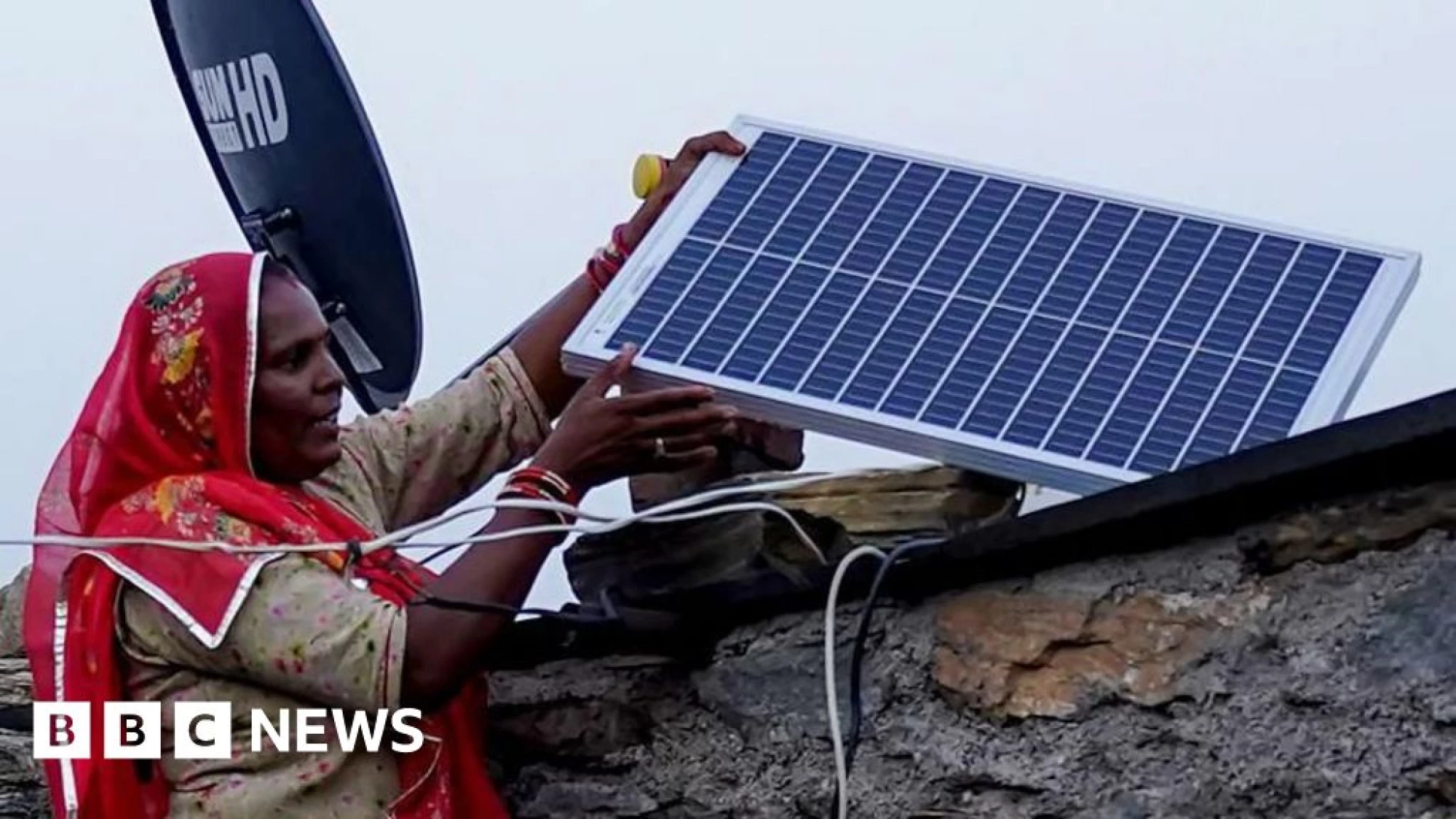
A recent study has found that India will generate over 11 million tonnes of solar waste by 2047 if it does not scale up recycling.
Watch LiveBritish Broadcasting CorporationHomeNewsSportBusinessInnovationCultureArtsTravelEarthAudioVideoLiveDocumentariesHomeNewsIsrael-Gaza WarWar in UkraineUS & CanadaUKUK PoliticsEnglandN. IrelandN. Ireland PoliticsScotlandScotland PoliticsWalesWales PoliticsAfricaAsiaChinaIndiaAustraliaEuropeLatin AmericaMiddle EastIn PicturesBBC InDepthBBC VerifySportBusinessExecutive LoungeTechnology of BusinessFuture of BusinessInnovationWatch DocumentariesTechnologyScience & HealthArtificial IntelligenceAI v the MindCultureWatch DocumentariesFilm & TVMusicArt & DesignStyleBooksEntertainment NewsArtsWatch DocumentariesArts in MotionTravelWatch DocumentariesDestinationsAfricaAntarcticaAsiaAustralia and PacificCaribbean & BermudaCentral AmericaEuropeMiddle EastNorth AmericaSouth AmericaWorld’s TableCulture & ExperiencesAdventuresThe SpeciaListEarthWatch DocumentariesNatural WondersWeather & ScienceClimate SolutionsSustainable BusinessGreen LivingAudioPodcast CategoriesRadioAudio FAQsVideoWatch DocumentariesBBC MaestroLiveLive NewsLive SportDocumentariesHomeNewsSportBusinessInnovationCultureArtsTravelEarthAudioVideoLiveDocumentariesWeatherNewslettersWatch LiveIndia's solar boom faces a hidden waste problem2 days agoShareSaveNikita Yadav ShareSaveAFP via Getty ImagesIndia gets plenty of sunlight throughout the year, which makes solar power highly efficientIndia's rapid solar energy expansion is widely hailed as a success. But without a plan to manage the waste it will generate, how clean is the transition?
In just over a decade, India has become the world's third-largest solar producer, with renewables now central to its climate strategy. Solar panels are everywhere - from vast solar parks to blue rooftops across cities, towns and villages.
Alongside large solar parks, millions of rooftop systems now feed power into the electricity grid. Government data show nearly 2.4 million households have adopted solar under a subsidy scheme.
Solar growth has cut India's reliance on coal. Though thermal and other non-renewables still supply over half of installed capacity, solar now contributes more than 20%. Yet the achievement carries a challenge: while clean in use, solar panels can pose environmental risks if not properly managed.
Solar panels are mostly recyclable, made of glass, aluminium, silver, and polymers - but trace toxic metals like lead and cadmium can pollute soil and water if mishandled.
https://www.bbc.com/news/articles/cd6x75x4j02o?at_medium=RSS&at_campaign=rss
Rating: 5