Ethiopia's Mulatu Astatke: The godfather of Ethio-jazz plays his farewell tour
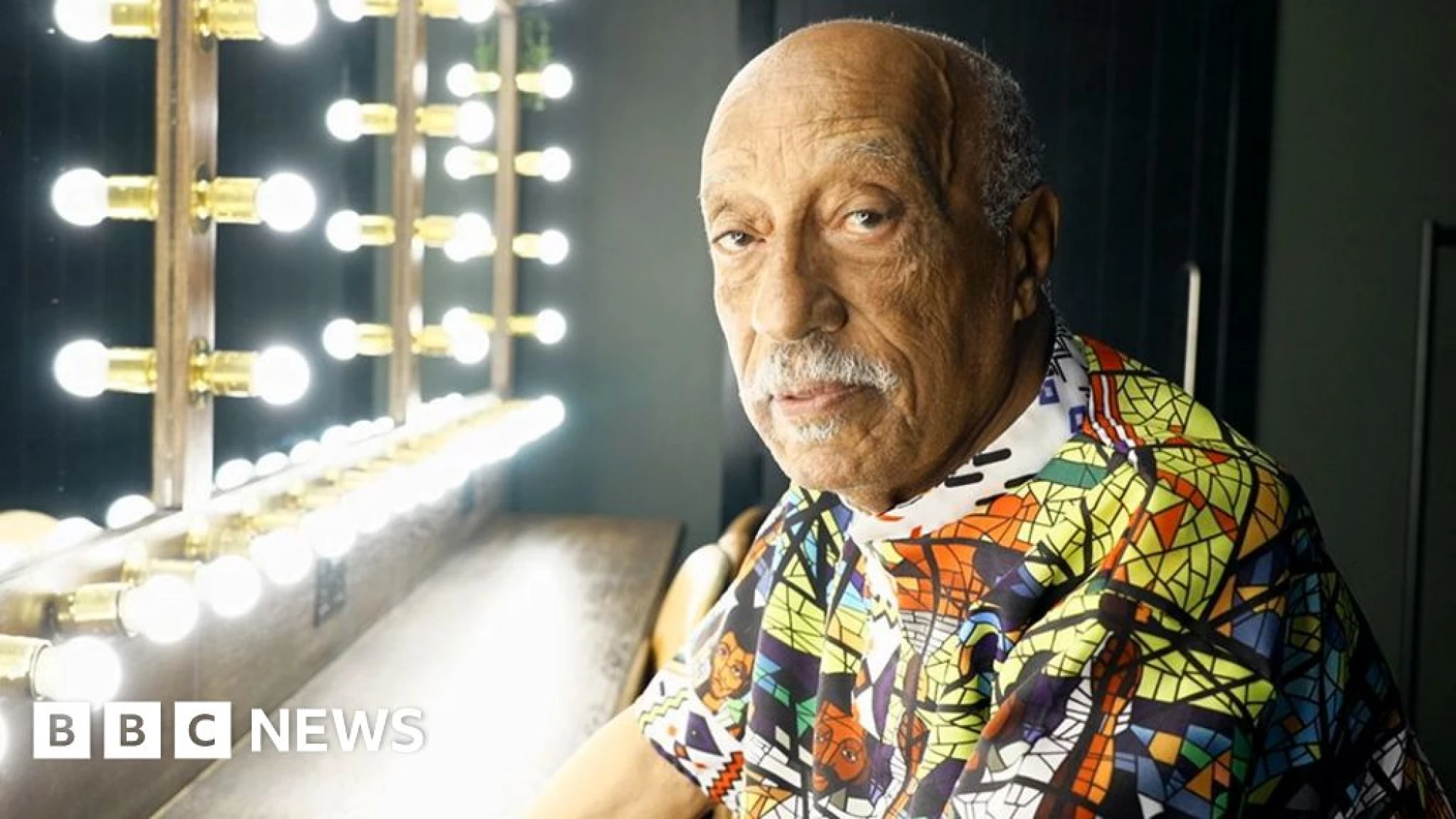
Mulatu Astatke has been blending jazz influences from home and abroad for the past six decades.
Watch LiveBritish Broadcasting CorporationHomeNewsSportBusinessInnovationCultureArtsTravelEarthAudioVideoLiveDocumentariesHomeNewsIsrael-Gaza WarWar in UkraineUS & CanadaUKUK PoliticsEnglandN. IrelandN. Ireland PoliticsScotlandScotland PoliticsWalesWales PoliticsAfricaAsiaChinaIndiaAustraliaEuropeLatin AmericaMiddle EastIn PicturesBBC InDepthBBC VerifySportBusinessExecutive LoungeTechnology of BusinessFuture of BusinessInnovationWatch DocumentariesTechnologyScience & HealthArtificial IntelligenceAI v the MindCultureWatch DocumentariesFilm & TVMusicArt & DesignStyleBooksEntertainment NewsArtsWatch DocumentariesArts in MotionTravelWatch DocumentariesDestinationsAfricaAntarcticaAsiaAustralia and PacificCaribbean & BermudaCentral AmericaEuropeMiddle EastNorth AmericaSouth AmericaWorld’s TableCulture & ExperiencesAdventuresThe SpeciaListEarthWatch DocumentariesNatural WondersWeather & ScienceClimate SolutionsSustainable BusinessGreen LivingAudioPodcast CategoriesRadioAudio FAQsVideoWatch DocumentariesBBC MaestroLiveLive NewsLive SportDocumentariesHomeNewsSportBusinessInnovationCultureArtsTravelEarthAudioVideoLiveDocumentariesWeatherNewslettersWatch LiveGodfather of Ethiopian jazz on his farewell tour2 days agoShareSaveMarta PausilliBBC AfricaShareSaveMulatu AstatkeEthiopian jazz musician Mulatu Astatke smiled as he held his arms aloft to acknowledge his audience.
Last month in London, the 82-year-old pioneer, who has done much to bring his blend of musical styles to the world, played a concert as part of a farewell tour after a six-decade performing career.
Twenty years ago, he gained a wider listenership after the soundtrack for the 2005 Hollywood film Broken Flowers included his music, and the use of one of his recordings in last year's best-picture-Oscar-nominated Nickel Boys saw further interest.
But since the 1960s he has used the studio and rehearsal room as a laboratory where he has mixed musical styles to create what he calls the "science" of Ethio-jazz.
Outside, it was a cold November evening, but inside the West End venue, Mulatu was bathed in the warm embrace of a crowd eager to get one last glimpse of this alchemist at work.
https://www.bbc.com/news/articles/cy073xp2yj0o?at_medium=RSS&at_campaign=rss
Rating: 5