Delhi's lonely African elephant Shankar was killed by rare rodent-borne virus
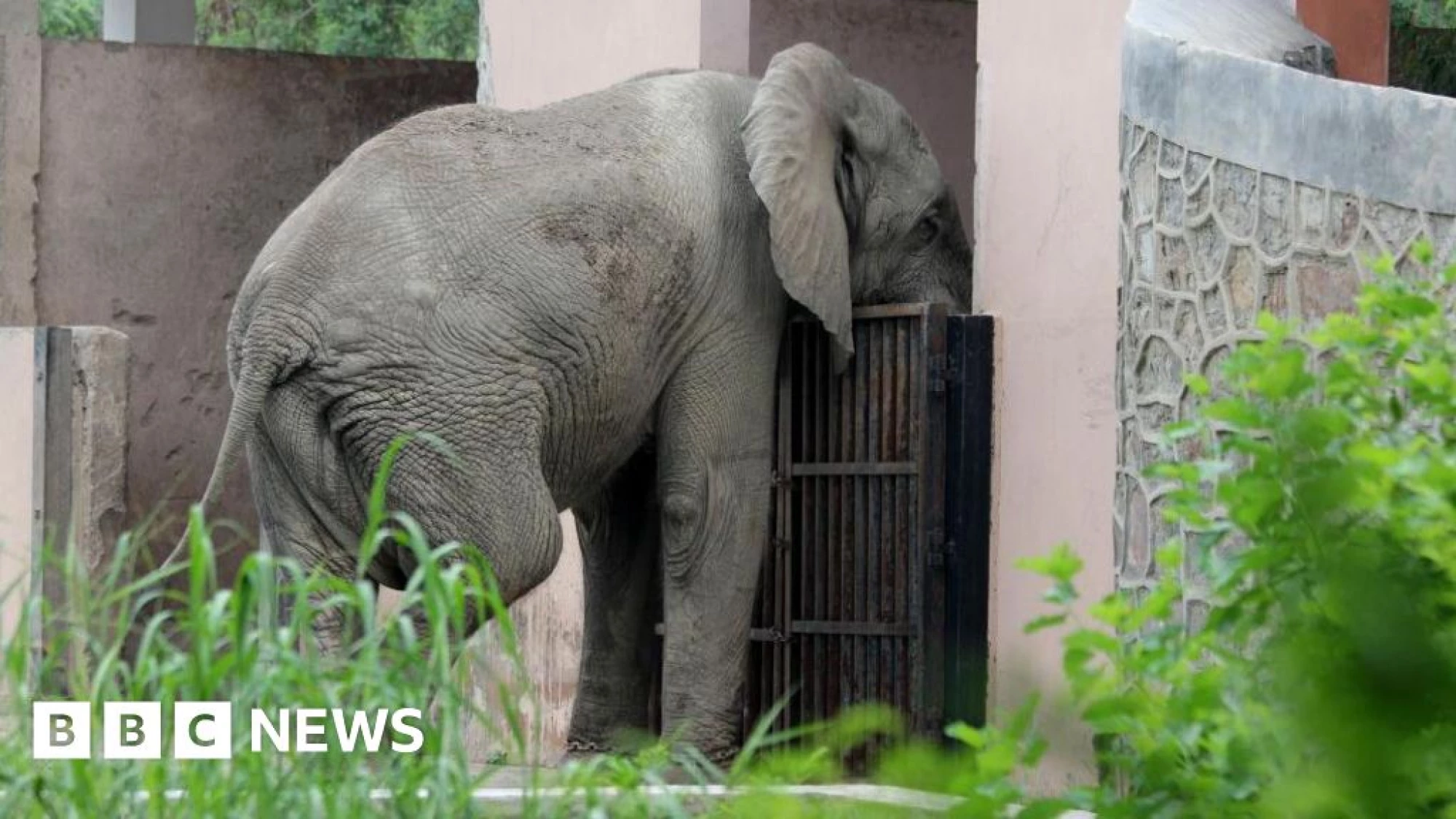
Shankar, a 29-year-old male elephant, died in September after spending much of his life in isolation.
Watch LiveBritish Broadcasting CorporationHomeNewsSportBusinessInnovationCultureArtsTravelEarthAudioVideoLiveDocumentariesHomeNewsIsrael-Gaza WarWar in UkraineUS & CanadaUKUK PoliticsEnglandN. IrelandN. Ireland PoliticsScotlandScotland PoliticsWalesWales PoliticsAfricaAsiaChinaIndiaAustraliaEuropeLatin AmericaMiddle EastIn PicturesBBC InDepthBBC VerifySportBusinessExecutive LoungeTechnology of BusinessFuture of BusinessInnovationTechnologyScience & HealthArtificial IntelligenceAI v the MindCultureFilm & TVMusicArt & DesignStyleBooksEntertainment NewsArtsArts in MotionTravelDestinationsAfricaAntarcticaAsiaAustralia and PacificCaribbean & BermudaCentral AmericaEuropeMiddle EastNorth AmericaSouth AmericaWorld’s TableCulture & ExperiencesAdventuresThe SpeciaListTo the Ends of The Earth EarthNatural WondersWeather & ScienceClimate SolutionsSustainable BusinessGreen LivingAudioPodcast CategoriesRadioAudio FAQsVideoBBC MaestroLiveLive NewsLive SportDocumentariesHomeNewsSportBusinessInnovationCultureArtsTravelEarthAudioVideoLiveDocumentariesWeatherNewslettersWatch LiveDelhi's lonely African elephant was killed by rare rodent-borne virus6 hours agoShareSaveAbhishek DeyBBC News, DelhiShareSaveGetty ImagesShankar endured a lonely existence in India after his companion died in 2001A rodent-borne virus led to the death of the only African elephant at the zoo in India's capital Delhi, officials have told the BBC.
Shankar, a 29-year-old male, died on 17 September after spending much of his life in isolation. The cause of his death wasn't known at the time.
Now, an autopsy has revealed that the elephant tested positive for encephalomyocarditis virus (EMCV), Delhi Zoo director Sanjeet Kumar said.
EMCV is known to cause fatal inflammation of the heart and sometimes brain fever in mammals. The virus is spread through rodent faeces and urine.
Most outbreaks of EMCV have been associated with captive animals in pig farms, primate research centres and zoos, according to the MSD veterinary manual.
https://www.bbc.com/news/articles/cn402xgqx8wo?at_medium=RSS&at_campaign=rss
Rating: 5