What Trump took from Dick Cheney's political playbook
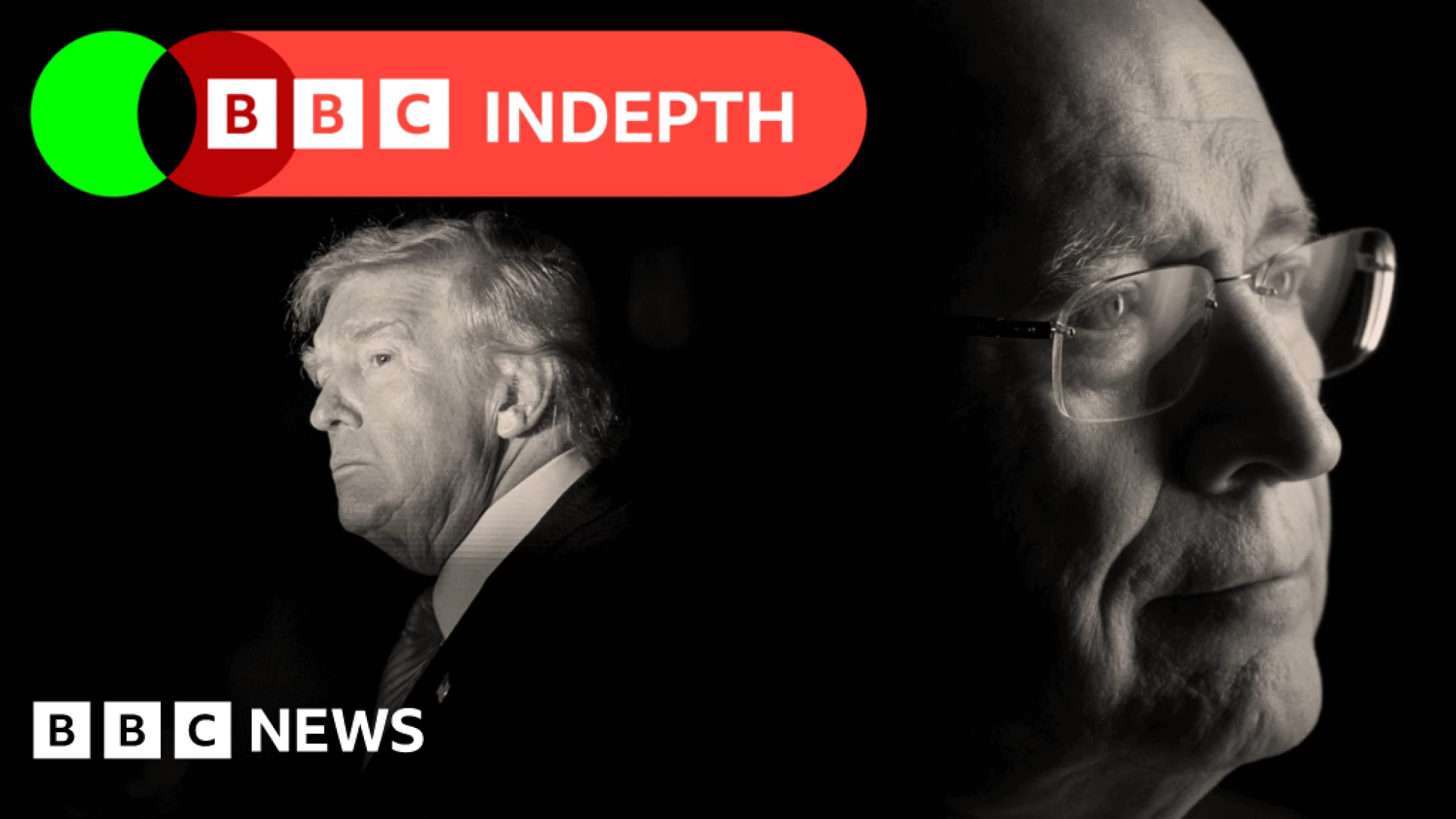
There was no lost love between the two Republicans, but there are parallels in how both expanded presidential power.
Watch LiveBritish Broadcasting CorporationHomeNewsSportBusinessInnovationCultureArtsTravelEarthAudioVideoLiveDocumentariesHomeNewsIsrael-Gaza WarWar in UkraineUS & CanadaUKUK PoliticsEnglandN. IrelandN. Ireland PoliticsScotlandScotland PoliticsWalesWales PoliticsAfricaAsiaChinaIndiaAustraliaEuropeLatin AmericaMiddle EastIn PicturesBBC InDepthBBC VerifySportBusinessExecutive LoungeTechnology of BusinessFuture of BusinessInnovationTechnologyScience & HealthArtificial IntelligenceAI v the MindCultureFilm & TVMusicArt & DesignStyleBooksEntertainment NewsArtsArts in MotionTravelDestinationsAfricaAntarcticaAsiaAustralia and PacificCaribbean & BermudaCentral AmericaEuropeMiddle EastNorth AmericaSouth AmericaWorld’s TableCulture & ExperiencesAdventuresThe SpeciaListTo the Ends of The Earth EarthNatural WondersWeather & ScienceClimate SolutionsSustainable BusinessGreen LivingAudioPodcast CategoriesRadioAudio FAQsVideoBBC MaestroLiveLive NewsLive SportDocumentariesHomeNewsSportBusinessInnovationCultureArtsTravelEarthAudioVideoLiveDocumentariesWeatherNewslettersWatch LiveWhat Trump took from Dick Cheney's political playbook17 hours agoShareSaveAnthony ZurcherNorth America correspondentShareSaveBBCDick Cheney, the former vice-president who died on Tuesday, dramatically expanded the powers of the US presidency in the aftermath of the 9/11 terror attacks. More than two decades later, Donald Trump is wielding the political levers Cheney constructed as a potent tool to advance his national priorities - even as the two men had nasty personal clashes over the direction of the Republican Party.
Cheney's experience in US government stretched back to Richard Nixon's White House, and he honed his theories of presidential powers over decades of experience in the corridors of power in Congress and during multiple Republican administrations.
As vice-president during the George W Bush administration, he used the Al-Qaeda attacks on the World Trade Center and Pentagon – the most consequential moment of American national unity and clarity of purpose since the Japanese Pearl Harbor attack of World War Two – to restructure the foundations of executive authority.
"Cheney freed Bush to fight the 'war on terror' as he saw fit, driven by a shared belief that the government had to shake off old habits of self-restraint," former Washington Post reporter Barton Gellman writes in Angler, his 2008 book on Cheney's time as vice-president.
Now Donald Trump, who has inherited those expanded presidential powers, is using them to pursue his own political agenda. It's an agenda that has shocked portions of the American public the way Cheney's once did, but one that has, at times, run counter to the policies and priorities Cheney once endorsed.
https://www.bbc.com/news/articles/cy8vpe8g3l3o?at_medium=RSS&at_campaign=rss
Rating: 5