Aditya-L1: Why 2026 will be a year like no other for India’s Sun mission
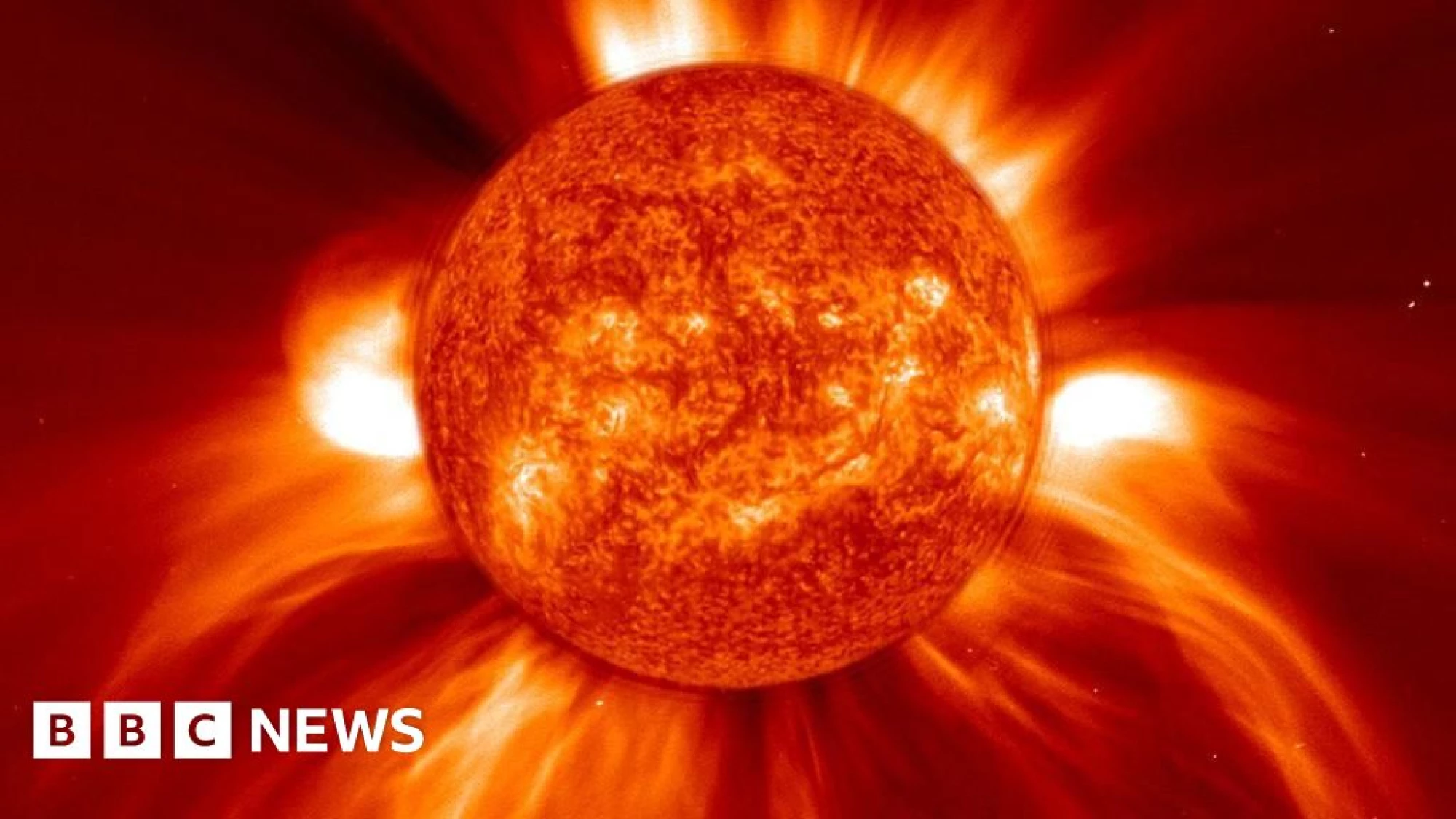
For the first time Aditya-L1 will be able to watch the Sun in its maximum activity cycle.
Watch LiveBritish Broadcasting CorporationHomeNewsSportBusinessInnovationCultureArtsTravelEarthAudioVideoLiveDocumentariesHomeNewsIsrael-Gaza WarWar in UkraineUS & CanadaUKUK PoliticsEnglandN. IrelandN. Ireland PoliticsScotlandScotland PoliticsWalesWales PoliticsAfricaAsiaChinaIndiaAustraliaEuropeLatin AmericaMiddle EastIn PicturesBBC InDepthBBC VerifySportBusinessExecutive LoungeTechnology of BusinessFuture of BusinessInnovationWatch DocumentariesTechnologyScience & HealthArtificial IntelligenceAI v the MindCultureWatch DocumentariesFilm & TVMusicArt & DesignStyleBooksEntertainment NewsArtsWatch DocumentariesArts in MotionTravelWatch DocumentariesDestinationsAfricaAntarcticaAsiaAustralia and PacificCaribbean & BermudaCentral AmericaEuropeMiddle EastNorth AmericaSouth AmericaWorld’s TableCulture & ExperiencesAdventuresThe SpeciaListEarthWatch DocumentariesNatural WondersWeather & ScienceClimate SolutionsSustainable BusinessGreen LivingAudioPodcast CategoriesRadioAudio FAQsVideoWatch DocumentariesBBC MaestroLiveLive NewsLive SportDocumentariesHomeNewsSportBusinessInnovationCultureArtsTravelEarthAudioVideoLiveDocumentariesWeatherNewslettersWatch LiveWhy 2026 will be a year like no other for India's Sun mission2 days agoShareSaveGeeta PandeyDelhiShareSaveGetty ImagesA coronal mass ejection can be several times larger than EarthFor Aditya-L1, India's first solar observation mission in space, the year 2026 is expected to be like no other.
It's the first time the observatory – which was placed in orbit last year - will be able to watch the Sun when it reaches its maximum activity cycle.
According to Nasa, it comes roughly every 11 years when the Sun's magnetic poles flip - the Earth equivalent would be the North and South poles swapping positions.
It's a time of great turbulence. It sees the Sun transition from calm to stormy and is marked by a huge increase in the number of solar storms and coronal mass ejections (CMEs) - massive bubbles of fire that blow out of the Sun's outermost layer called corona.
Made up of charged particles, a CME can weigh up to a trillion kilograms and can attain a speed of up to 3,000km (1,864 miles) per second. It can head out in any direction, including towards the Earth. At top speed, it would take a CME 15 hours to cover the 150 million km Earth-Sun distance.
https://www.bbc.com/news/articles/c8dy9qp71v2o?at_medium=RSS&at_campaign=rss
Rating: 5