Year after ceasefire, peace eludes south Lebanon as Israeli strikes continue
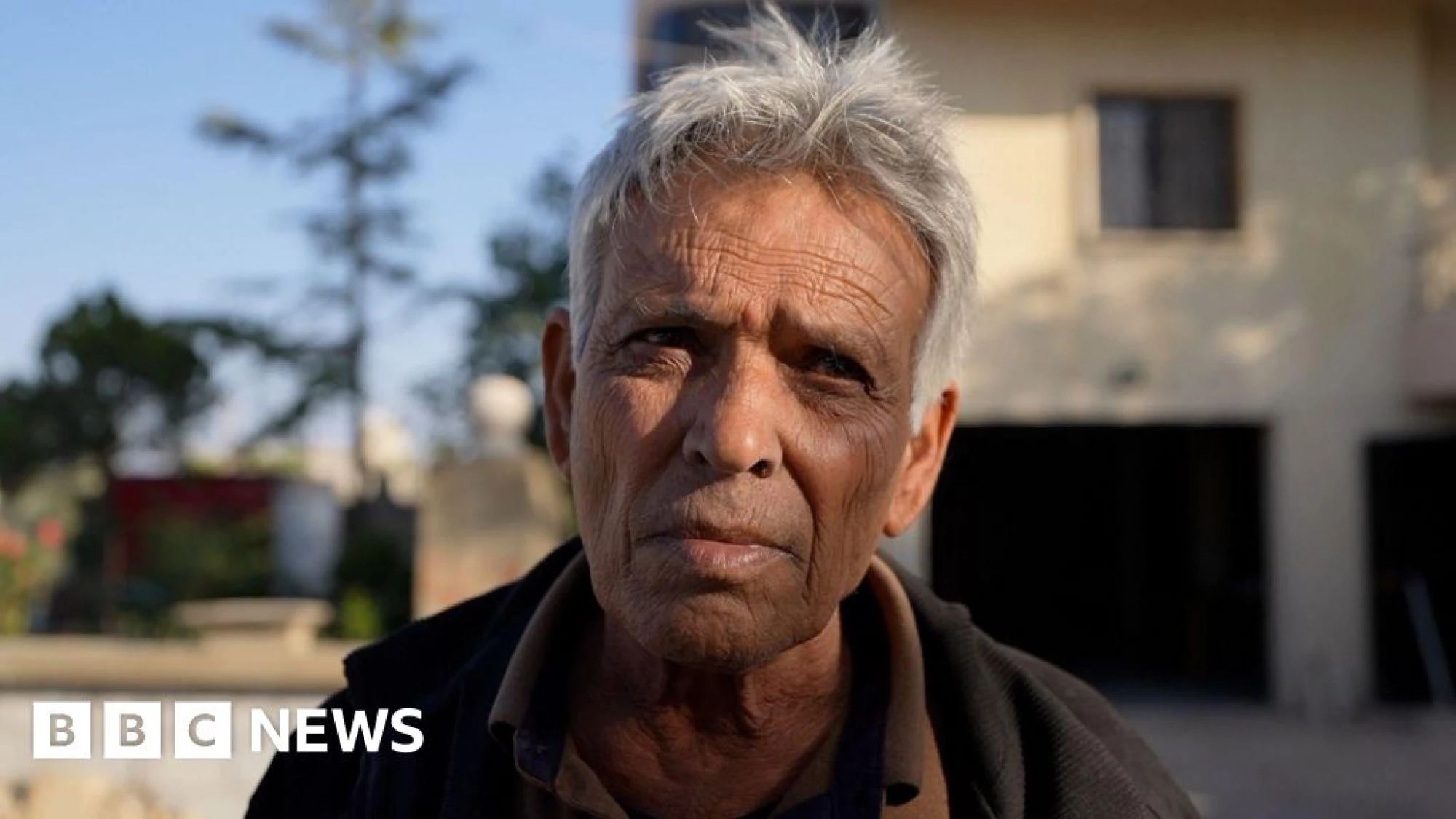
A year on from a ceasefire in Lebanon, Israel is continuing attacks on what it says are Hezbollah's efforts to recover from their war.
Watch LiveBritish Broadcasting CorporationHomeNewsSportBusinessInnovationCultureArtsTravelEarthAudioVideoLiveDocumentariesHomeNewsIsrael-Gaza WarWar in UkraineUS & CanadaUKUK PoliticsEnglandN. IrelandN. Ireland PoliticsScotlandScotland PoliticsWalesWales PoliticsAfricaAsiaChinaIndiaAustraliaEuropeLatin AmericaMiddle EastIn PicturesBBC InDepthBBC VerifySportBusinessExecutive LoungeTechnology of BusinessFuture of BusinessInnovationWatch DocumentariesTechnologyScience & HealthArtificial IntelligenceAI v the MindCultureWatch DocumentariesFilm & TVMusicArt & DesignStyleBooksEntertainment NewsArtsWatch DocumentariesArts in MotionTravelWatch DocumentariesDestinationsAfricaAntarcticaAsiaAustralia and PacificCaribbean & BermudaCentral AmericaEuropeMiddle EastNorth AmericaSouth AmericaWorld’s TableCulture & ExperiencesAdventuresThe SpeciaListTo the Ends of the Earth EarthWatch DocumentariesNatural WondersWeather & ScienceClimate SolutionsSustainable BusinessGreen LivingAudioPodcast CategoriesRadioAudio FAQsVideoWatch DocumentariesBBC MaestroLiveLive NewsLive SportDocumentariesHomeNewsSportBusinessInnovationCultureArtsTravelEarthAudioVideoLiveDocumentariesWeatherNewslettersWatch LiveYear after ceasefire, peace eludes south Lebanon as Israeli strikes continue1 day agoShareSaveHugo BachegaMiddle East correspondent , Southern LebanonShareSaveNeha Sharma/BBCLast Friday, at around 19:00, an Israeli air strike hit a car in a village in southern Lebanon called Froun. This part of the country is the heartland of the Shia Muslim community, and for decades has been under the sway of Hezbollah, the Lebanese Shia militia and political party. On streets, banners with the faces of fighters killed in battle hang from lamp-posts, celebrating them as "martyrs of the resistance".
I arrived in Froun an hour after the strike. Rescue workers had already removed the body parts of the only casualty - a man who was later described as a "Hezbollah terrorist" by the Israeli military. Despite a ceasefire deal that came into force last November, ending the latest war with Hezbollah, Israel has continued with its bombing, almost every day.
"Who is going to help us?" one resident, Mohamad Mokdad, asked me. The car had been hit as it passed in front of his house, and he was still cleaning up the veranda. "There were body parts here and in the trees." He sounded despondent.
"We're against all this... I just want to live in peace. I don't want parties," he said. He did not mention Hezbollah - which means "Party of God" - by name, but that is probably what he meant. "I don't want anyone."
Israel says it is targeting Hezbollah and the group's efforts to recover after being severely weakened in the war. I travelled to southern Lebanon to see the impact of the Israeli campaign, and saw that the attacks had shattered people's sense of security and even some long-held views in areas where Hezbollah has traditionally enjoyed widespread support.
https://www.bbc.com/news/articles/cdd560nvqqdo?at_medium=RSS&at_campaign=rss
Rating: 5