Scientists warn of invasive longhorned tick carrying debilitating Ehrlichiosis infection
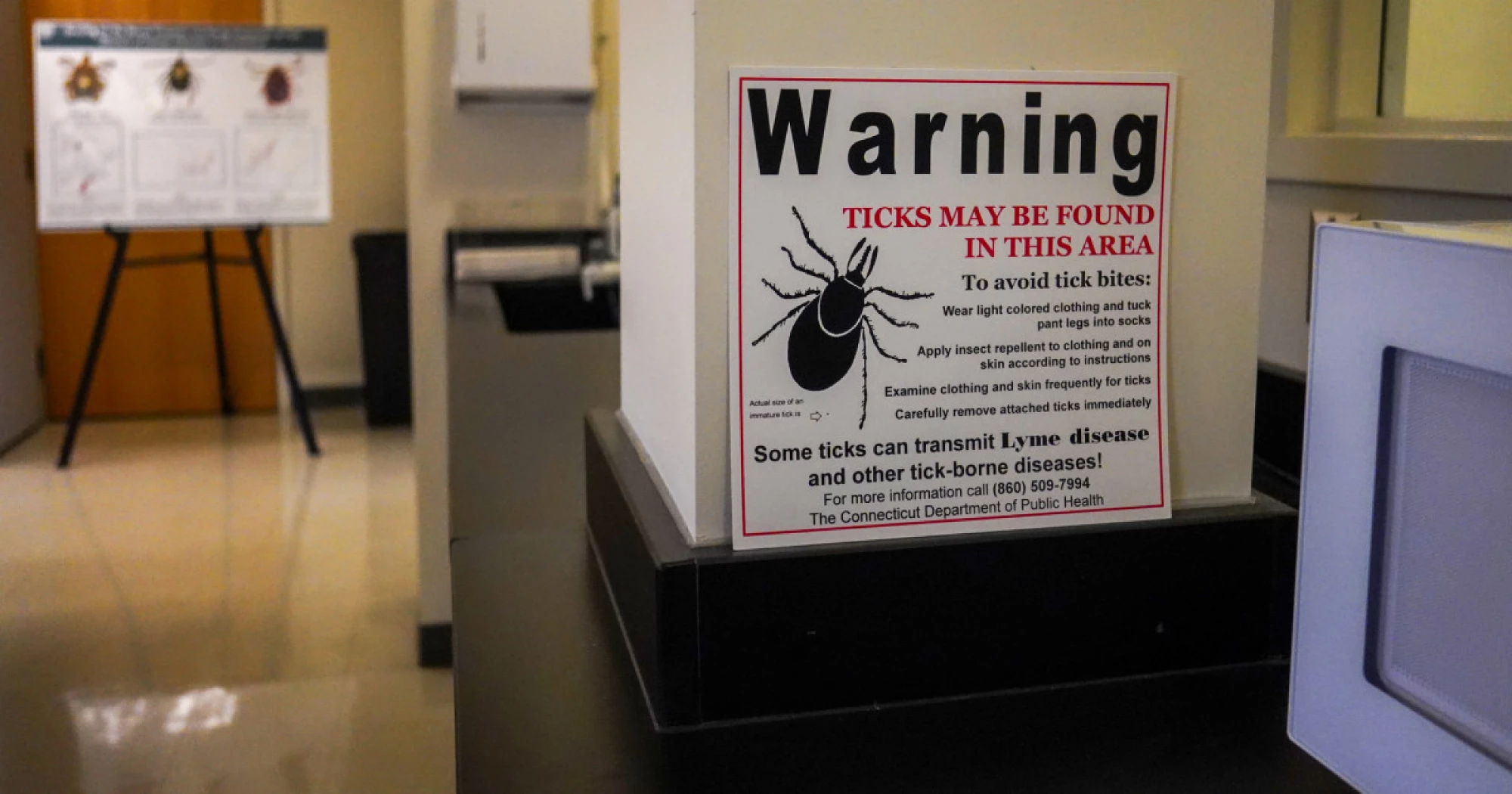
Climate change may be helping longhorned ticks spread Ehrlichiosis across the U.S. more effectively. The infection hospitalizes around 60% of patients and can be fatal.
An invasive tick species is creeping its way into more parts of the country as warming temperatures help it spread a little-known infection that can leave people with debilitating symptoms and, in rare cases, dead.
In May, scientists at the Connecticut Agricultural Experiment Station in New Haven discovered for the first time that the longhorned tick had become a carrier for the bacterium that causes the Ehrlichiosis infection. With cases already on the rise, that was a big cause of concern.
“I am afraid to say that it is a storm brewing,” said Goudarz Molaei, the director of the lab’s tick-testing program. “Climate change eventually will almost eliminate winter in our region. And this tick, like other tick species, will be active year-round.”
Warming temperatures, which have already translated into shorter winters, allow the longhorned tick and other tick species to wake up early from hibernation, increasing the risk of getting bitten.
The longhorned tick, which is native to East Asia, first invaded places like Australia, New Zealand and the Pacific Islands. It has now been detected in at least 21 states, with Michigan reporting its first sighting at the end of June. Researchers aren’t sure how the tick made it to the United States, but it’s likely it arrived on the backs of imported livestock or other animals.
Rating: 5