Harry, Meghan join hundreds to call for AI superintelligence ban
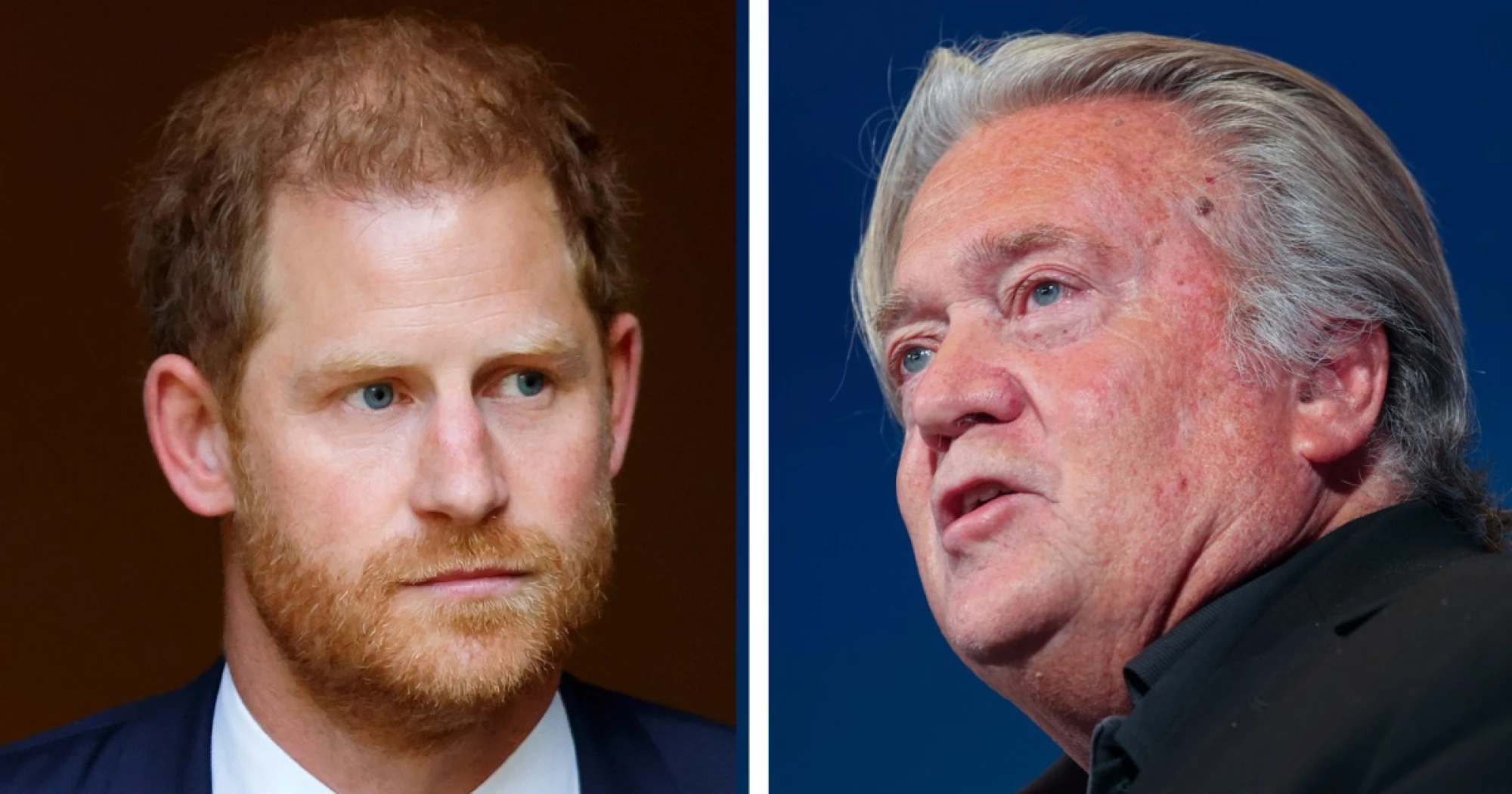
The call, signed by Nobel laureates, ex-military leaders and public figures worldwide, seeks a ban on research that could create machines smarter than people.
Hundreds of public figures, including Nobel Prize-winning scientists, former military leaders, artists and British royalty, signed a statement Wednesday calling for a ban on work that could lead to computer superintelligence, a yet-to-be-reached stage of artificial intelligence that they said could one day pose a threat to humanity.
The statement proposes “a prohibition on the development of superintelligence” until there is both “broad scientific consensus that it will be done safely and controllably” and “strong public buy-in.”
Organized by AI researchers concerned about the fast pace of technological advances, the statement had more than 800 signatures from a diverse group of people. The signers include Nobel laureate and AI researcher Geoffrey Hinton, former Joint Chiefs of Staff Chairman Mike Mullen, rapper Will.i.am, former Trump White House aide Steve Bannon and U.K. Prince Harry and his wife, Meghan Markle.
The statement adds to a growing list of calls for an AI slowdown at a time when AI is threatening to remake large swaths of the economy and culture. OpenAI, Google, Meta and other tech companies are pouring billions of dollars into new AI models and the data centers that power them, while businesses of all kinds are looking for ways to add AI features to a broad range of products and services.
Some AI researchers believe AI systems are advancing fast enough that soon they’ll demonstrate what’s known as artificial general intelligence, or the ability to perform intellectual tasks as a human could. From there, researchers and tech executives believe what could follow might be superintelligence, in which AI models perform better than even the most expert humans.
Rating: 5