Bolovian president declares state of emergency
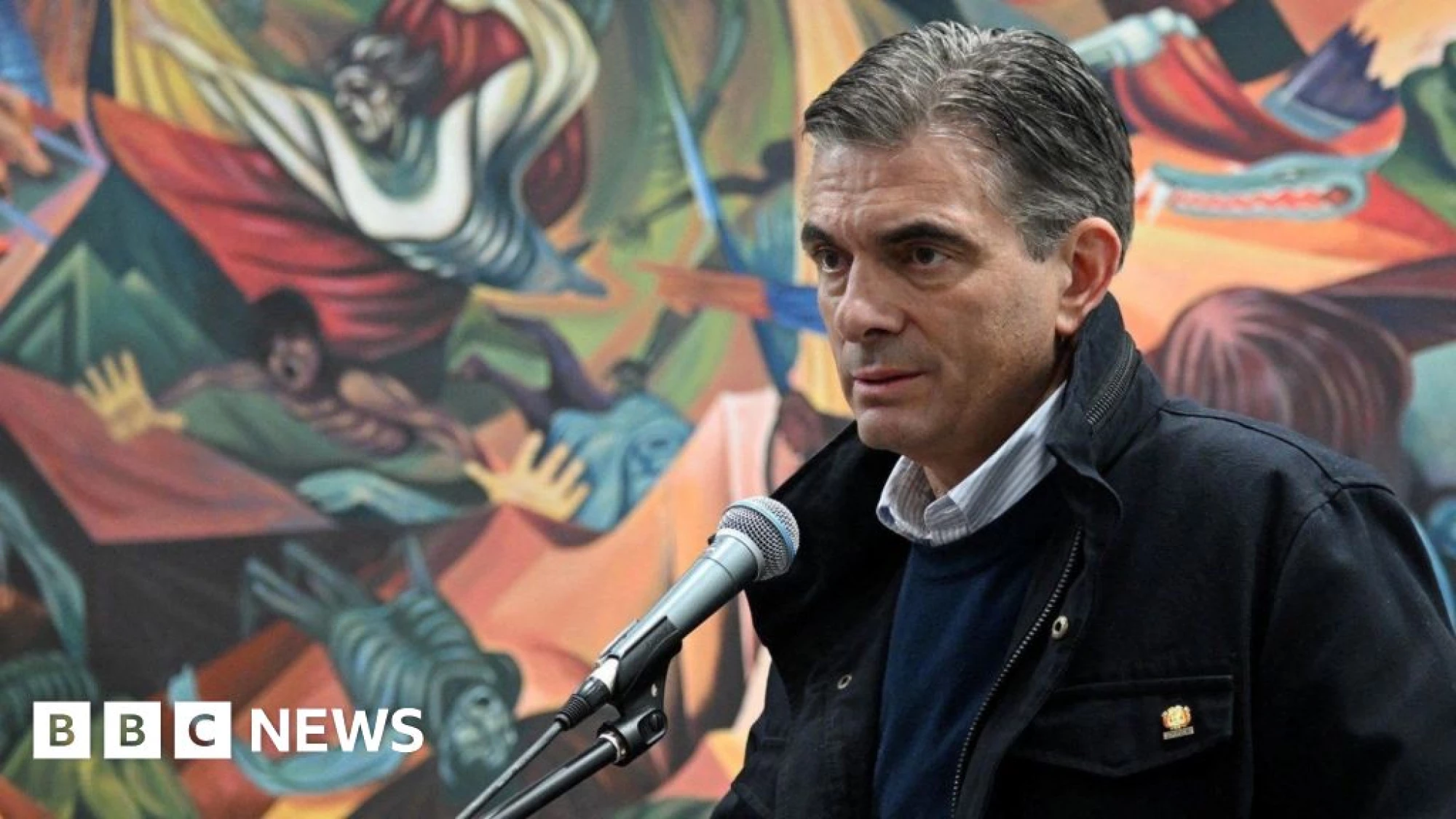
The move comes after weeks of anti-government protests that have caused a shortage of basic goods in Bolivia.
Watch LiveBritish Broadcasting CorporationHomeNewsFootball 2026SportBusinessTechnologyHealthCultureArtsTravelEarthAudioVideoLiveDocumentariesHomeNewsUS & CanadaUKUK PoliticsEnglandN. IrelandN. Ireland PoliticsScotlandScotland PoliticsWalesWales PoliticsAfricaAsiaChinaIndiaAustraliaEuropeLatin AmericaMiddle EastIn PicturesBBC InDepthBBC VerifyFootball 2026SportBusinessWorld of BusinessTechnology of BusinessNYSE Opening BellTechnologyWatch DocumentariesArtificial IntelligenceIntelligence RevolutionAI v the MindTech NowHealthWatch DocumentariesCultureWatch DocumentariesFilm & TVMusicArt & DesignStyleBooksEntertainment NewsArtsWatch DocumentariesArts in MotionTravelWatch DocumentariesDestinationsAfricaAntarcticaAsiaAustralia and PacificCaribbean & BermudaCentral AmericaEuropeMiddle EastNorth AmericaSouth AmericaWorld’s TableCulture & ExperiencesAdventuresThe SpeciaListEarthWatch DocumentariesScienceNatural WondersClimate SolutionsSustainable BusinessGreen LivingAudioPodcast CategoriesRadioAudio FAQsVideoWatch DocumentariesBBC MaestroDiscover the WorldLiveLive NewsLive SportDocumentariesSite searchHomeNewsSportFootball 2026BusinessTechnologyHealthCultureArtsTravelEarthAudioVideoLiveDocumentariesWeatherNewslettersWatch LiveBolivian president declares state of emergency23 hours agoShareSaveAdd as preferred on GoogleJoshua CheethamReutersPresident Rodrigo Paz says weeks of protests have been used to destabilise the countryBolivian President Rodrigo Paz has declared a state of emergency after weeks of protests demanding his resignation.
The move would give Paz broader powers to clear road blocks by demonstrators, which have caused serious shortages of basic goods and paralysed large parts of the nation.
In a statement, the president said the state of emergency would "free the country's roads" and "restore" normalcy.
Under law, Bolivia's Congress must approve or reject the measure within 72 hours of the declaration.
The blockades, led by miners, farmers and indigenous groups, are part of protests which started at the end of April.
https://www.bbc.com/news/articles/cr47wn92zdgo?at_medium=RSS&at_campaign=rss
Rating: 5