K-beauty: From social media trend to economic powerhouse
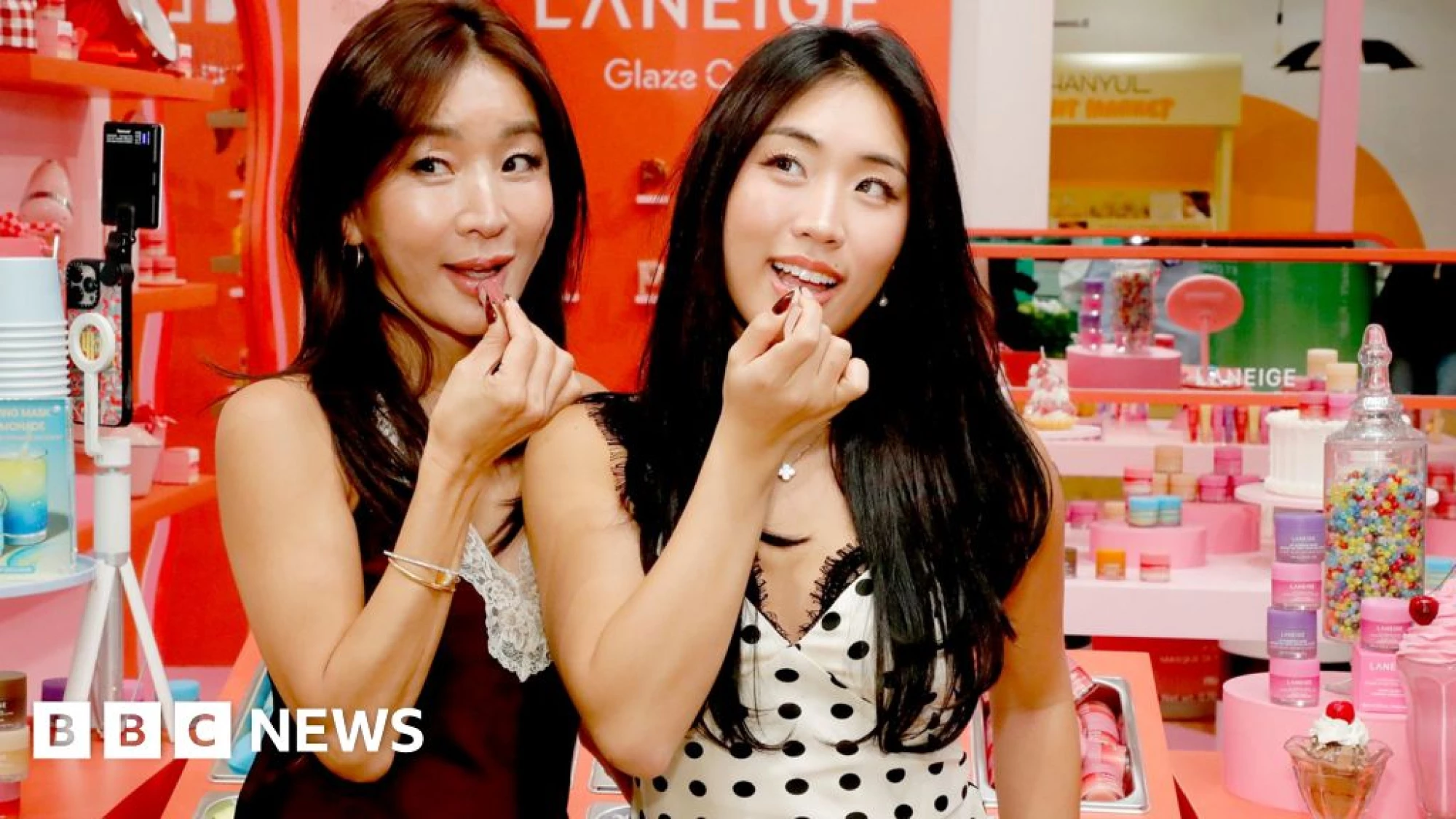
Inside the K-beauty industry that has made South Korea a major player in worldwide beauty market.
Watch LiveBritish Broadcasting CorporationHomeNewsSportBusinessInnovationHealthCultureArtsTravelEarthAudioVideoLiveDocumentariesHomeNewsIsrael-Gaza WarWar in UkraineUS & CanadaUKUK PoliticsEnglandN. IrelandN. Ireland PoliticsScotlandScotland PoliticsWalesWales PoliticsAfricaAsiaChinaIndiaAustraliaEuropeLatin AmericaMiddle EastIn PicturesBBC InDepthBBC VerifySportBusinessExecutive LoungeTechnology of BusinessFuture of BusinessInnovationWatch DocumentariesTechnologyScienceArtificial IntelligenceAI v the MindHealthCultureWatch DocumentariesFilm & TVMusicArt & DesignStyleBooksEntertainment NewsArtsWatch DocumentariesArts in MotionTravelWatch DocumentariesDestinationsAfricaAntarcticaAsiaAustralia and PacificCaribbean & BermudaCentral AmericaEuropeMiddle EastNorth AmericaSouth AmericaWorld’s TableCulture & ExperiencesAdventuresThe SpeciaListEarthWatch DocumentariesNatural WondersWeather & ScienceClimate SolutionsSustainable BusinessGreen LivingAudioPodcast CategoriesRadioAudio FAQsVideoWatch DocumentariesBBC MaestroLiveLive NewsLive SportDocumentariesHomeNewsSportBusinessInnovationHealthCultureArtsTravelEarthAudioVideoLiveDocumentariesWeatherNewslettersWatch LiveHow K-beauty went from a viral trend to an economic powerhouse17 hours agoShareSaveSuranjana TewariAsia Business Correspondent, Seoul, South KoreaShareSaveWatch: Korean skincare is a multi-billion dollar industry - what makes it so great?Who would have thought serums infused with snail mucin - the sticky substance they secrete - would become a part of skincare routines around the world?
Well, it's happened - and the gooey elasticity is key, according to a viral TikTok challenge promoting the serum. It made its manufacturer, the small South Korean label CosRX, go global. It is now owned by Amorepacific, the country's biggest cosmetics company.
The rapid spread of that sticky serum tells you just how wildly successful K-beauty has become. Fuelled by viral content and trends, it is one of the biggest industries in South Korea, where the pressure to look almost flawless has always been huge in a highly competitive society.
The domestic market alone was valued at about $13bn (£9.6bn) in 2024, with sales of some products expected to grow at double-digit rates. And the rest of the world is just as obsessed with K-beauty - which is perhaps unsurprising given it's part of the Hallyu, or Korean Wave, which has made K-Pop and K-dramas a global phenomenon.
K-beauty brands now occupy whole sections at global retailers - from Sephora to Boots to Walmart. In the first half of 2025, South Korea overtook France, the birthplace of modern cosmetics, to become the world's second-largest exporter of beauty products, after the United States.
https://www.bbc.com/news/articles/cj9y43mv332o?at_medium=RSS&at_campaign=rss
Rating: 5