Rescuers to use air cushions in latest effort to save stranded whale
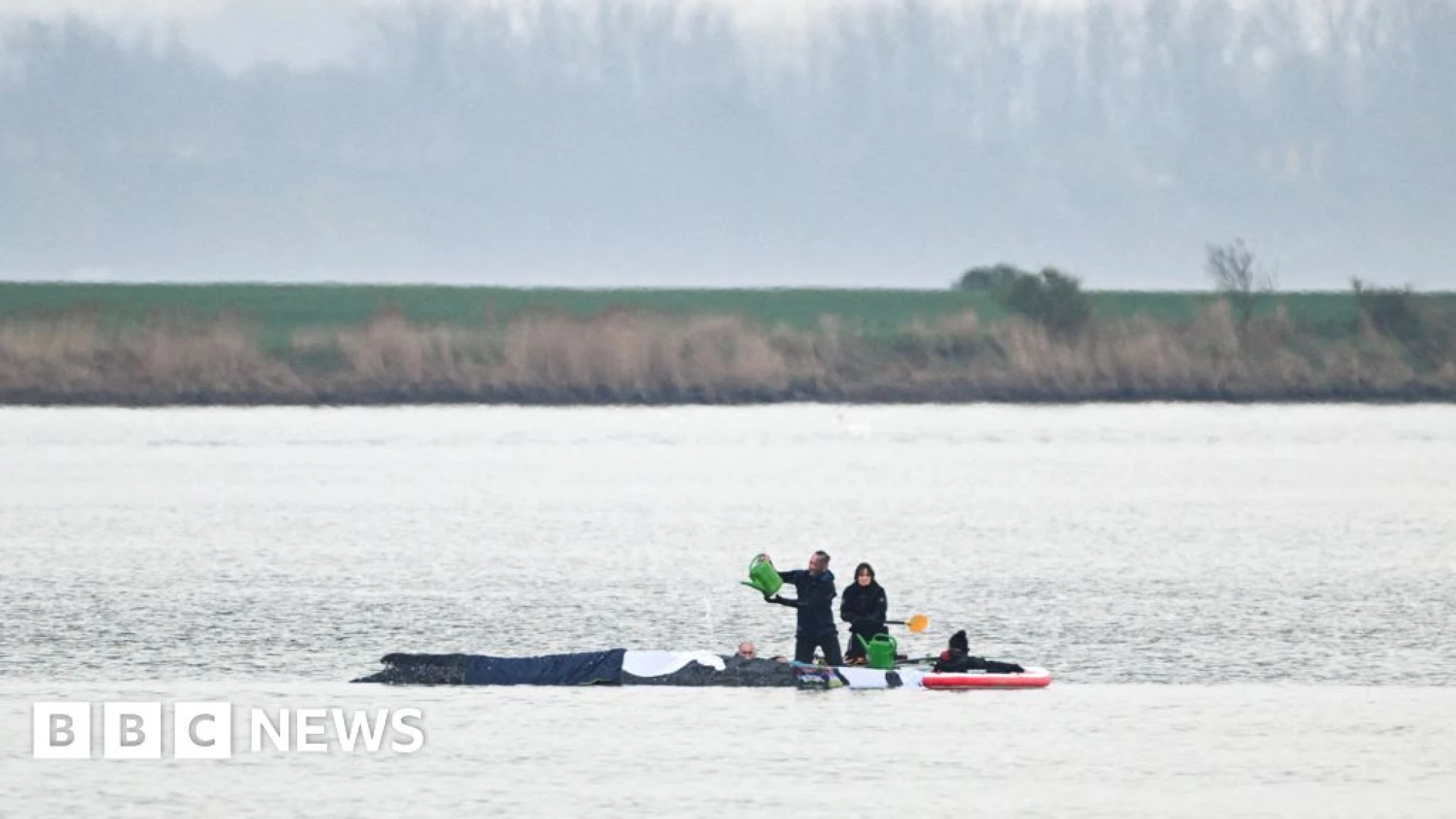
"Timmy" has been stranded in the Baltic Sea for weeks despite several attempts to free the ailing animal.
Watch LiveBritish Broadcasting CorporationHomeNewsSportBusinessTechnologyHealthCultureArtsTravelEarthAudioVideoLiveDocumentariesHomeNewsUS & CanadaUKUK PoliticsEnglandN. IrelandN. Ireland PoliticsScotlandScotland PoliticsWalesWales PoliticsAfricaAsiaChinaIndiaAustraliaEuropeLatin AmericaMiddle EastIn PicturesBBC InDepthBBC VerifySportBusinessWorld of BusinessTechnology of BusinessNYSE Opening BellTechnologyWatch DocumentariesArtificial IntelligenceIntelligence RevolutionAI v the MindHealthWatch DocumentariesCultureWatch DocumentariesFilm & TVMusicArt & DesignStyleBooksEntertainment NewsArtsWatch DocumentariesArts in MotionTravelWatch DocumentariesDestinationsAfricaAntarcticaAsiaAustralia and PacificCaribbean & BermudaCentral AmericaEuropeMiddle EastNorth AmericaSouth AmericaWorld’s TableCulture & ExperiencesAdventuresThe SpeciaListEarthWatch DocumentariesScienceNatural WondersClimate SolutionsSustainable BusinessGreen LivingAudioPodcast CategoriesRadioAudio FAQsVideoWatch DocumentariesBBC MaestroDiscover the WorldLiveLive NewsLive SportDocumentariesHomeNewsSportBusinessTechnologyHealthCultureArtsTravelEarthAudioVideoLiveDocumentariesWeatherNewslettersWatch LiveRescuers to use air cushions in latest effort to save stranded whale2 days agoShareSaveAdd as preferred on GoogleAndré Rhoden-PaulReutersRescuers attempting to rescue the whale in shallow waters near Wismar, GermanyRescuers plan to use air cushions in the latest attempt to free a humpback whale that has been stranded off Germany's northern coast for weeks.
The whale, nicknamed Timmy by local media, was first spotted in the Baltic Sea, far from its natural habitat, at the beginning of March and is currently stuck in a shallow coastal area off the island of Poel.
A private company plans to refloat the injured mammal from the sea floor by its flippers and onto a tarp attached to a tug boat, officials said.
The state of Mecklenburg-Western Pomerania described this as a "minimally invasive" approach - but wildlife experts said any interventions carried considerable risk after previous rescue attempts failed.
They had concluded the chance of survival was very low. However, the German state's environment minister Till Backhaus said a reassessment had found a less intrusive approach.
https://www.bbc.com/news/articles/c2082pljyk1o?at_medium=RSS&at_campaign=rss
Rating: 5