Lenacapavir: Landmark deal paves way for cheaper HIV/ Aids protection jab
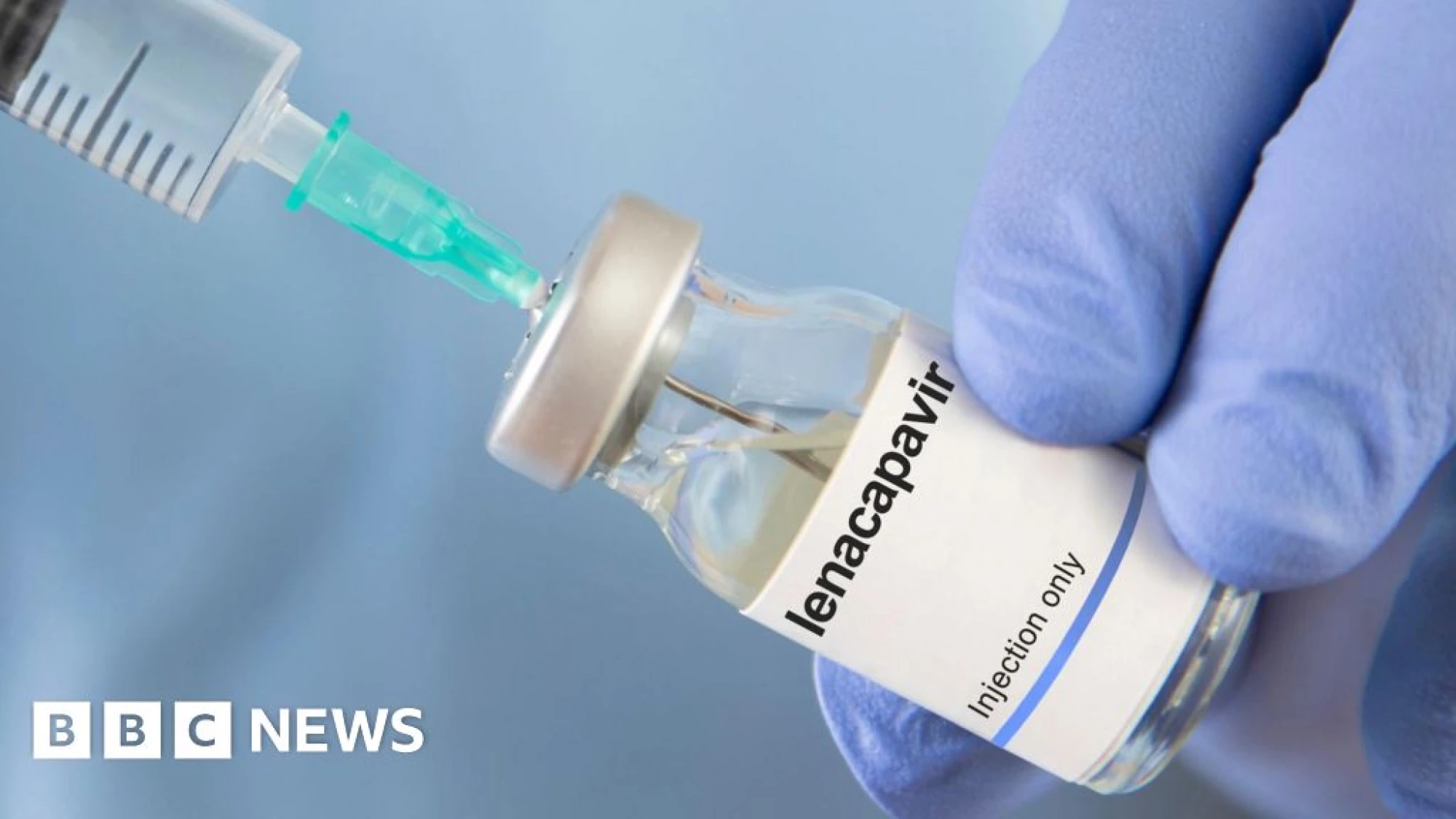
The drug - a twice-yearly injection – reduces the current HIV treatment cost in developing countries.
Watch LiveBritish Broadcasting CorporationHomeNewsSportBusinessInnovationCultureArtsTravelEarthAudioVideoLiveHomeNewsIsrael-Gaza WarWar in UkraineUS & CanadaUKUK PoliticsEnglandN. IrelandN. Ireland PoliticsScotlandScotland PoliticsWalesWales PoliticsAfricaAsiaChinaIndiaAustraliaEuropeLatin AmericaMiddle EastIn PicturesBBC InDepthBBC VerifySportBusinessExecutive LoungeTechnology of BusinessFuture of BusinessInnovationTechnologyScience & HealthArtificial IntelligenceAI v the MindCultureFilm & TVMusicArt & DesignStyleBooksEntertainment NewsArtsArts in MotionTravelDestinationsAfricaAntarcticaAsiaAustralia and PacificCaribbean & BermudaCentral AmericaEuropeMiddle EastNorth AmericaSouth AmericaWorld’s TableCulture & ExperiencesAdventuresThe SpeciaListTo the Ends of The Earth EarthNatural WondersWeather & ScienceClimate SolutionsSustainable BusinessGreen LivingAudioPodcast CategoriesRadioAudio FAQsVideoLiveLive NewsLive SportHomeNewsSportBusinessInnovationCultureArtsTravelEarthAudioVideoLiveWeatherNewslettersWatch LiveLandmark deal paves way for cheaper HIV protection jab2 hours agoShareSaveEd HabershonJohannesburgShareSaveAFP via Getty ImagesLenacapavir has received WHO's approval for HIV preventionA new HIV prevention drug will be made available at a lower cost in over 100 low-income countries within two years — a move expected to give millions access to the breakthrough treatment and potentially bring the world closer to ending the HIV/Aids epidemic.
The drug, called Lenacapavir and administered by injection, is due to be rolled out as early as the end of this year, at a cost of $28,000 (£20,000) per person annually.
But Wednesday's announcement promises to slash that price to just $40 — around 0.1% of the original cost. The lower-cost version will be rolled out in 2027 across 120 low- and middle-income countries.
Scientists say the drug stops the virus from replicating inside cells.
The agreement announced on Wednesday was reached between the Clinton Health Access Initiative in partnership with the Gates Foundation and other groups, including South African research institute, Wits RHI.
https://www.bbc.com/news/articles/cgmzn8802d7o?at_medium=RSS&at_campaign=rss
Rating: 5